

Multi-threat body armor combines certified ballistic and stab protection in a single vest, and it’s quickly become the vest security directors ask about first — not just in corrections, where combination armor has been standard for years, but in courthouses, transit systems, and behavioral-health units where staff face both firearm and edged-weapon exposure on the same shift. If you’re comparing a multi-threat vest against a ballistic-only or stab-only option for the first time, the questions are usually the same: what does “multi-threat” actually certify, which standard governs the stab side, and does your facility’s risk profile justify the added weight and cost. This guide walks through all three.
What Is Multi-Threat Body Armor?
Multi-threat body armor is a vest that has been independently tested and certified against two separate threat types — ballistic (firearm rounds) and edged weapons (blades and spikes) — rather than assuming that stopping one automatically stops the other. A panel built to defeat a 9mm or .40 S&W round under NIJ 0101.06 or the newer NIJ 0101.07 doesn’t necessarily resist a knife or ice-pick-style spike; the two threats require different materials and construction, so a true multi-threat vest carries certification to both the applicable ballistic standard and the NIJ 0115.00 stab standard.
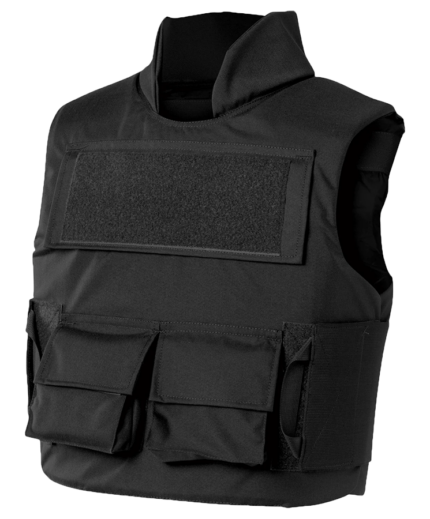
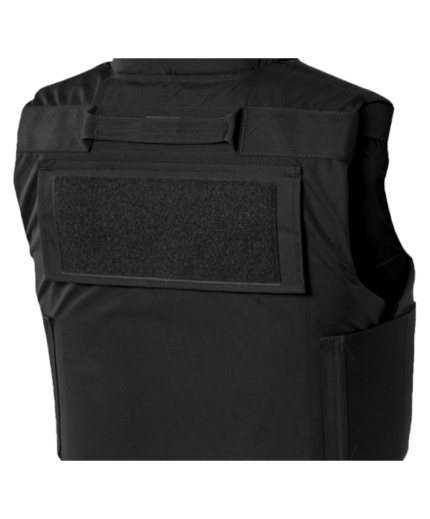
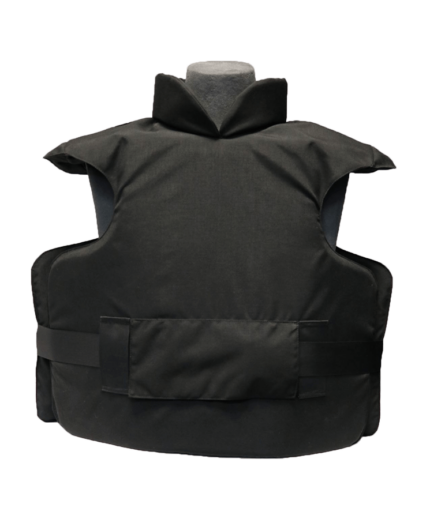
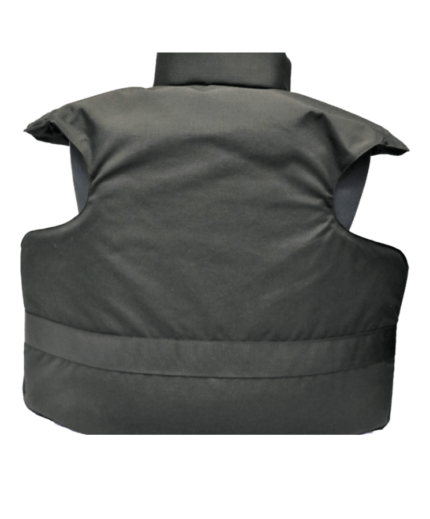
U.S. Armor’s BSII+2 Multi-Threat Vest is a working example: it’s built to combine ballistic protection with edged-weapon resistance in one carrier system rather than layering an aftermarket stab panel onto a ballistic-only vest after the fact. If you’re new to how certification levels work in general, our body armor guide covers how NIJ certification levels are structured before you get into the multi-threat specifics below.
The NIJ 0115.00 stab standard is the National Institute of Justice’s standard for stab-resistant body armor. Published by the same agency that maintains the ballistic standards, NIJ Standard-0115.00 “establishes minimum performance requirements and test methods for the stab resistance of personal body armor intended to protect the torso against slash and stab threats,” according to NIJ’s official documentation. It defines edged-blade and spike threat levels in roughly the same way NIJ 0101.06/0101.07 define ballistic threat levels — as a graduated scale tied to specific test energies and instruments, not a single pass/fail bar.
Two details matter when you’re evaluating a stab and bullet resistant vest against this standard. First, NIJ 0115.00 covers hand-delivered attacks where the weapon’s edge lines up with the attacker’s fist — it does not directly test slash threats or bladed tools like axes and hatchets, though NIJ notes that stab threats have generally proven harder to defeat than slash threats in testing. Second, a vest’s ballistic certification and its NIJ 0115.00 certification are separate test reports; when you’re reviewing spec sheets, confirm both are present rather than assuming one implies the other.
How Combination Ballistic + Stab Protection Levels Work
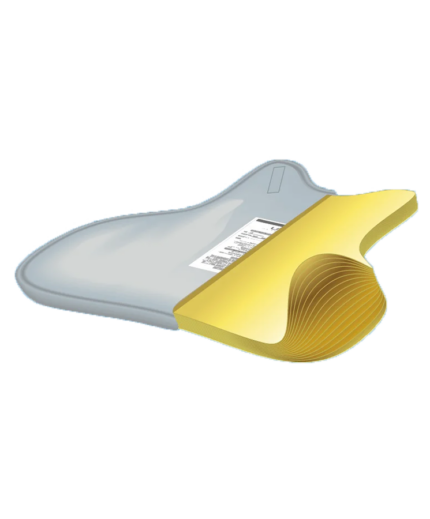
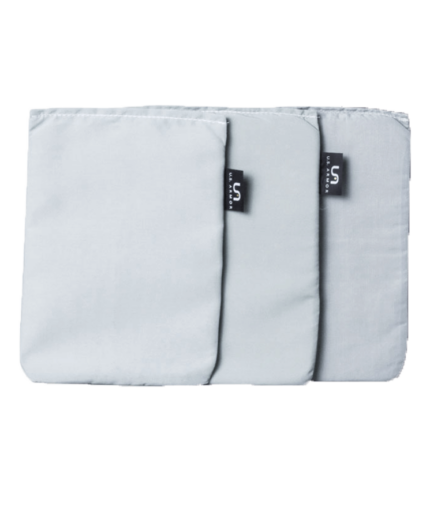
Because the two protections are tested independently, a multi-threat vest’s spec sheet will typically show a ballistic level (for example, NIJ Level IIIA) alongside a separate stab/spike level under NIJ 0115.00. Manufacturers combine the two by layering ballistic-rated soft armor with a stab-rated component — sometimes woven into the same panel, sometimes as an insert like U.S. Armor’s TB3 NIJ Blade Level 3 ICW plate, which is designed to be worn in conjunction with (ICW) a ballistic panel rather than as a standalone vest.
When you’re comparing ballistic and stab resistant vest levels across manufacturers, ask for the specific level on each certification, not just a marketing label like “multi-threat.” Two vests can both be called multi-threat body armor and still cover meaningfully different levels of edged-weapon or ballistic risk, so the level pairing — not the category name — is what should match against your facility’s documented threat profile.
Why Edged-Weapon Risk Extends Beyond Corrections
Corrections has driven multi-threat adoption for decades because edged-weapon incidents inside jails and prisons are well documented and budgeted for accordingly — our corrections-specific stab-resistant armor guide covers that use case in depth. But edged-weapon exposure isn’t unique to detention settings. Courthouses process detainees and the public through the same building; transit systems put unarmed or lightly armed officers in close, uncontrolled contact with the public for hours at a time; and behavioral-health and psychiatric units manage patients in crisis, where improvised edged weapons are a recognized risk separate from firearm risk.
An edged weapon protection vest built only to a ballistic standard leaves that risk unaddressed. That’s the gap multi-threat body armor is designed to close for security teams whose incident history includes contact weapons alongside — or instead of — firearms.


Who Needs Multi-Threat Protection: Courthouse, Transit, and Behavioral-Health Security
Three verticals outside corrections most often land on multi-threat body armor once they run a real risk assessment:
Courthouse and Judicial Security
A courthouse security officer vest has to account for a building that mixes screened courtroom traffic with unscreened hallways, holding areas, and loading docks. Facilities with reliable weapons screening at every public entrance may weight their risk differently than one with partial screening or multiple unscreened access points — but many courthouse security programs land on multi-threat armor specifically because courtroom risk has historically included edged and improvised weapons, not only firearms that a magnetometer is built to catch.
Transit and Park Police
Transit and park police officers spend most of a shift in close, often solo contact with the public in stations, platforms, and vehicles — environments where a knife or improvised blade is a more statistically common threat than a firearm in many jurisdictions. Multi-threat coverage lets these officers wear one vest that matches that mixed exposure instead of choosing between two single-threat options.
Behavioral-Health and Psychiatric-Facility Security
Combination threat body armor for behavioral health staff addresses a specific, well-recognized risk: patients in crisis may use improvised sharp objects, and firearm risk — while lower — isn’t zero in facilities that also handle intake, forensic, or court-involved populations. Security and safety leadership in these settings increasingly specify multi-threat vests for the same reason corrections does: the threat picture is mixed, so the protection should be too.
Multi-Threat vs. Ballistic-Only vs. Stab-Only: How to Choose
There’s no universally correct answer here — the right choice depends on your facility’s documented incident history, not a generic industry default. A few starting questions:
- Has your facility logged edged-weapon or improvised-weapon incidents? If yes, ballistic-only armor is leaving a known risk uncovered.
- Has your facility logged firearm incidents or does it operate in a jurisdiction with elevated firearm risk? If yes, stab-only armor is doing the same in reverse.
- Do staff move through mixed-risk zones in a single shift — public lobbies, screened courtrooms, transport vehicles, unscreened intake? Mixed zones generally favor multi-threat coverage over a single-threat vest.
- What does your risk management or safety office’s documented assessment actually say? Spec decisions should trace back to that assessment, not to what a neighboring agency happens to issue.
Agencies that skip this step and default to whichever option is cheapest or most familiar often end up re-purchasing once an incident exposes the gap. Working the comparison in the order above — documented risk first, budget second — tends to produce a decision that holds up.
Comfort and Mobility Tradeoffs of Combination Armor
Combining ballistic and stab protection generally adds some weight and stiffness compared to a ballistic-only panel, since the stab-rated layer is doing additional work the ballistic layer alone doesn’t do. How much that matters in practice varies by manufacturer, carrier design, and how the two protections are integrated — a well-engineered multi-threat vest and a poorly integrated one can feel very different on an eight-hour shift even at similar certification levels.
This is where fit discipline matters as much as the spec sheet. A multi-threat vest measured and built to an individual officer’s frame moves with them; one sized off a generic chart doesn’t, regardless of what its certification says. Before finalizing a purchase, have staff wear-test candidate vests under realistic shift conditions — sitting in a vehicle, climbing stairs, reaching overhead — rather than deciding from a spec sheet or a fitting-room try-on alone.
Questions to Ask Before You Buy Multi-Threat Armor
Before requesting a quote, security directors evaluating multi-threat body armor should be able to get clear answers to:
- What specific ballistic level and what specific NIJ 0115.00 level does this vest carry, and are both backed by current test reports?
- Is the stab protection integrated into the primary panel, or is it a separate insert worn in conjunction with a ballistic plate?
- What does the manufacturer’s fit and alteration policy look like if a vest doesn’t fit correctly once issued?
- What’s the expected service life and warranty coverage for the combined panel, not just the ballistic component?
U.S. Armor’s corrections and multi-threat lineup — including the browse multi-threat and corrections vests category — is a reasonable place to start comparing options once you have documented answers to the questions above.
Explore Our Multi-Threat & Corrections Armor