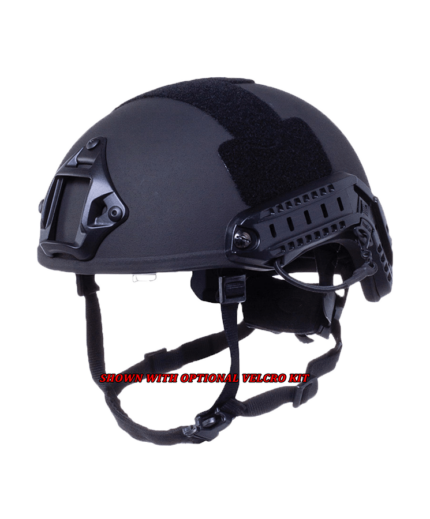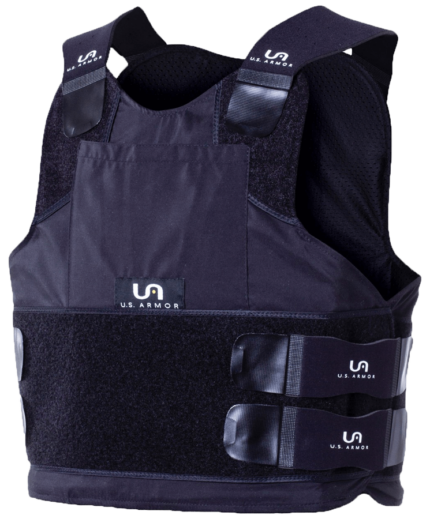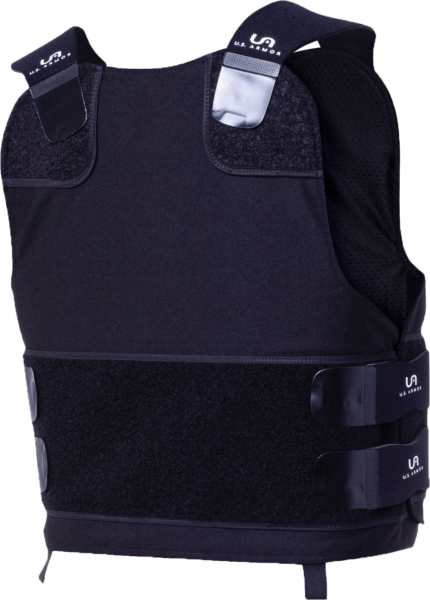

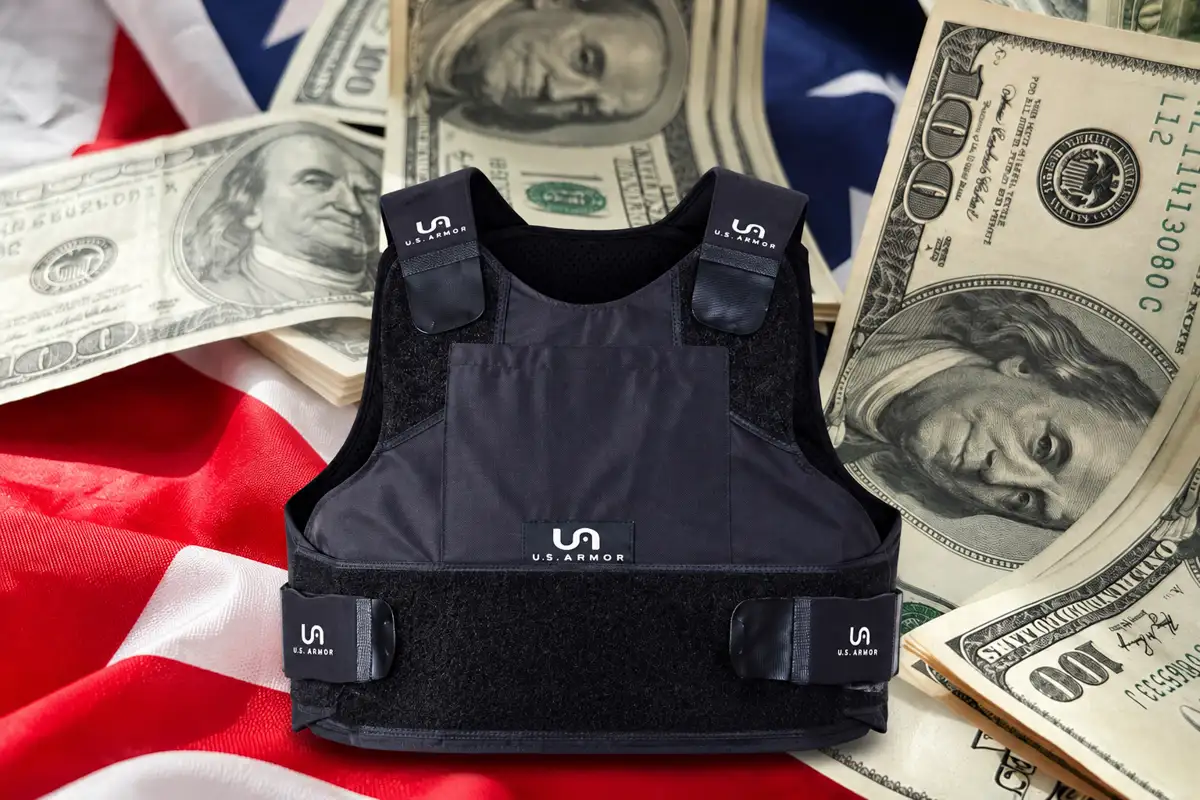
Body armor grants can close the gap between a department that needs new vests, plates, or helmets and a budget that doesn’t have room for them. If you already know your agency needs to upgrade — current armor is aging out of its certified service life, a K9 unit needs its first protective vest, or a volunteer fire department is trying to add ballistic protection for the first time — the real obstacle usually isn’t the decision to buy. It’s finding the funding to make the purchase happen. This guide walks through eight proven ways to fund body armor purchases, starting with the largest federal program and working down to the state, specialty, and procurement-readiness details that determine whether an application actually gets approved.
Why Body Armor Grants Are the Biggest Funding Barrier for Small Agencies
Under-resourced agencies rarely lack the will to equip officers properly — they lack the line-item. Municipal and county budgets are often set a year or more in advance, and an unplanned armor replacement cycle (say, when a batch of vests hits its NIJ certification expiration at the same time) can land well outside what a small department can absorb without help. That’s exactly the gap body armor grants are designed to fill: federal, state, and specialty funding sources that offset some or all of the cost so the purchase decision doesn’t have to wait for next year’s budget cycle.
The agencies that use these programs most successfully treat funding as a parallel track to the purchase itself — researching and applying for body armor grants months before armor is due to expire, not after the shortfall becomes an emergency.
The Bulletproof Vest Partnership (BVP) Program Explained
The Bulletproof Vest Partnership grant — officially the Patrick Leahy Bulletproof Vest Partnership (BVP) Program — is the largest and best-known source of DOJ body armor funding. It’s administered by the Bureau of Justice Assistance (BJA), part of the Department of Justice’s Office of Justice Programs, and it reimburses eligible state, local, and tribal jurisdictions for a share of the cost of NIJ-compliant body armor. Program rules, funding cycles, and the exact reimbursement match are set annually in that year’s solicitation, so confirm current details directly on BJA’s official BVP program page before you budget around a specific number.
Because BVP is a reimbursement program rather than an upfront grant, agencies typically need to purchase compliant armor first and file for reimbursement afterward — which means understanding the current cycle’s timeline and documentation requirements before you place a purchase order, not after.
Other Federal Funding Sources Worth Knowing
BVP isn’t the only source of DOJ body armor funding. The Edward Byrne Memorial Justice Assistance Grant (JAG) Program, also BJA-administered, gives state and local governments broad discretion to fund criminal justice needs — including equipment like body armor — as part of a larger award rather than a dedicated vest program. COPS Office grants, which focus on community policing, have in some cycles supported equipment purchases as part of broader hiring or technology awards. Our grant programs and contract vehicles we support page keeps an updated directory of the specific federal programs and contract vehicles currently available — check there for the current list rather than relying on a single year’s program names, since federal funding programs are added, renamed, and sunset over time.
State and Local Grant Programs
State body armor grant programs vary widely — some states run their own dedicated vest-replacement funds through a state law enforcement standards office or homeland security division, while others funnel federal JAG dollars through a state administering agency that sets its own sub-recipient rules. A few things are worth checking at the state level regardless of which model your state uses: whether the program requires a specific NIJ standard version, whether it covers plates and helmets in addition to soft armor, and whether county or regional consortiums are eligible to apply jointly, which can strengthen a smaller agency’s application by demonstrating regional impact.
Because state programs change year to year and vary by jurisdiction, your state’s law enforcement standards board or emergency management office is the most reliable source for current eligibility and deadlines — more reliable than a general web search, which can easily surface an expired solicitation.
Specialty Funding: K9 Units, Fire/EMS, and Volunteer Departments
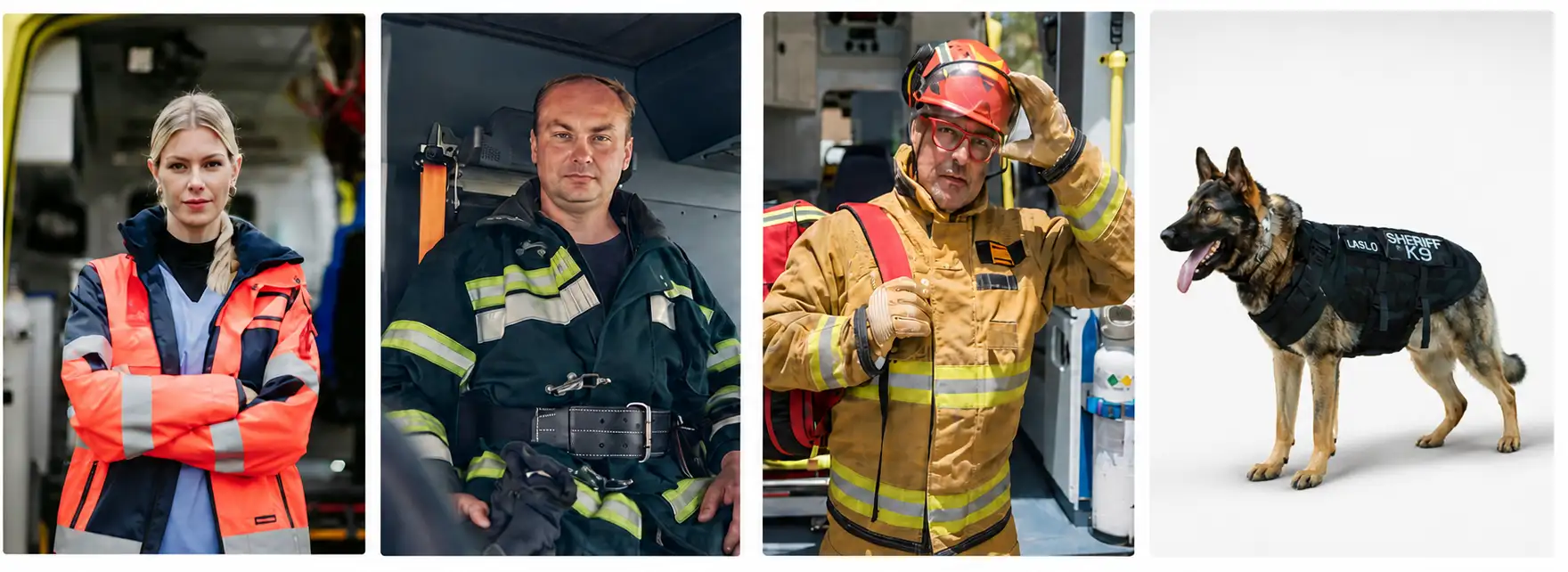
General law enforcement grant programs don’t always cover every unit or every agency type. Three groups in particular should look beyond the standard federal/state track:
K9 Units
K9 vest grant funding is typically administered separately from officer body armor funding. Several nonprofit organizations and state-level programs focus specifically on K9 protective vests rather than routing through BVP or JAG, so K9 handlers and unit supervisors should research K9-specific funding sources in addition to — not instead of — their department’s general grant applications. Our K9 body armor guide covers what to look for in a K9 vest once funding is in place.
Fire/EMS and Volunteer Departments
A fire department body armor grant is harder to find than its law enforcement counterpart, since ballistic and stab protection funding for fire and EMS personnel is far less centralized. Some federal and state programs do extend to fire/EMS agencies, including volunteer departments, but eligibility varies by program and by state — it’s worth checking both DOJ-administered programs and your state’s emergency-services grant office rather than assuming a law enforcement-focused program will automatically apply. Once funding is identified, our Fire/EMS protective carriers category shows the carrier styles built for that use case.
Volunteer and Small-Department Programs
A common question here is straightforward: can small police departments get free body armor? Not typically “free” outright, but several programs specifically weight their scoring toward smaller and under-resourced agencies, and matching-fund requirements are sometimes reduced or waived for departments below a certain size or budget threshold. That makes it worth applying even when a department’s budget looks too small to matter to a federal reviewer.
How Matching-Fund Requirements Typically Work
Most body armor grants are structured as a percentage match rather than full reimbursement — the agency pays a portion of the cost and the grant covers the rest, rather than the grant covering 100% of a purchase. The exact match rate is set by that program’s current-year solicitation and should never be assumed from a prior year’s figure, since match rates, funding caps, and total program dollars can all shift annually based on appropriations.
Budgeting for the agency’s match share is just as important as the grant application itself — a department that wins an award but hasn’t set aside its portion of the cost can end up unable to complete the purchase within the grant’s performance period.
Building a Grant-Ready Procurement Package
Knowing how to apply for a body armor grant successfully comes down to having the right documentation ready before the application window opens, not scrambling to assemble it during a short filing period. Whether you’re applying for federal, state, or specialty body armor grants, most programs ask for some combination of:
- An agency profile — jurisdiction size, sworn-officer or personnel count, and current armor inventory and condition.
- A specific procurement plan naming the armor being purchased, including NIJ-compliance documentation for that model and standard version.
- Budget or population data used to calculate the jurisdiction’s funding formula or match rate.
- A timeline showing when the current armor’s certification expires or why the purchase is otherwise time-sensitive.
Agencies specifying gear for a broader response capability — for example, upgrading armor as part of an active-shooter readiness plan — should also see our active shooter response gear guide, since procurement packages built around a documented capability gap tend to score better than a generic replacement request.
Common Reasons Grant Applications Get Rejected — and How to Avoid Them
Even well-run agencies lose out on body armor grants for avoidable reasons. The same handful of issues account for most rejected or delayed applications:
- Armor that isn’t clearly NIJ-compliant on paper. Most public-safety equipment grant programs, federal and state, require NIJ-compliant armor, and reviewers need to see that documentation, not just a manufacturer’s marketing claim.
- Missing or outdated match-fund commitment. If the program requires a match, the application needs to show the agency actually has that portion budgeted, not just intends to find it later.
- Incomplete jurisdiction or personnel data. Funding formulas depend on accurate population, budget, or staffing figures — errors here can delay or disqualify an otherwise solid application.
- Applying to the wrong program for the equipment type. A K9 vest application submitted to a general officer-armor program, or a fire/EMS request submitted to a law enforcement-only fund, is a mismatch that gets rejected regardless of need.
- Missing the filing window entirely. Federal programs often run on a single annual application window; state and local programs vary considerably. Building the procurement request early — before the current armor’s certification or condition timeline forces an urgent purchase — gives an agency the most flexibility and the best shot at the current cycle.