Bulletproof Vests
For nearly four decades, U.S. Armor has built body armor for the people who wear it every shift — patrol officers, corrections staff, federal agents and security professionals across more than 5,000 agencies.
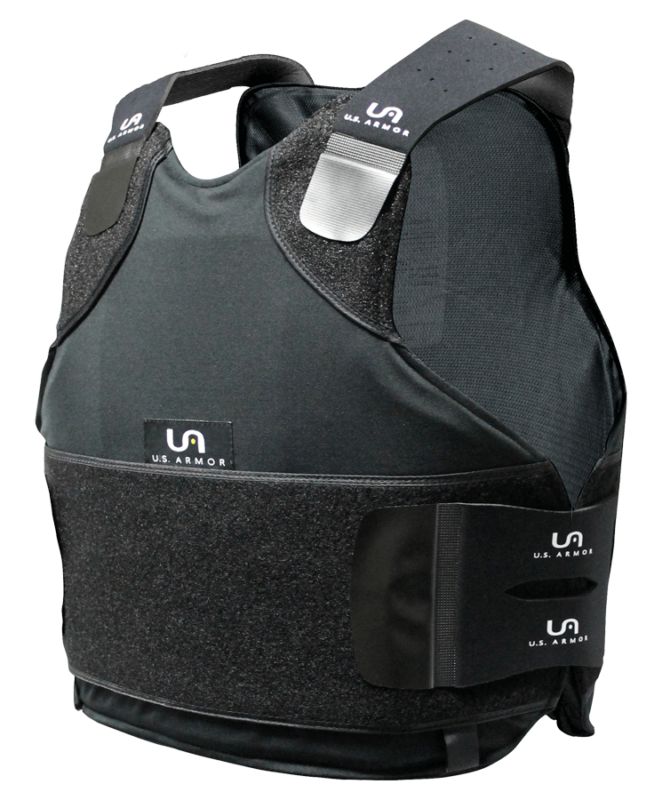
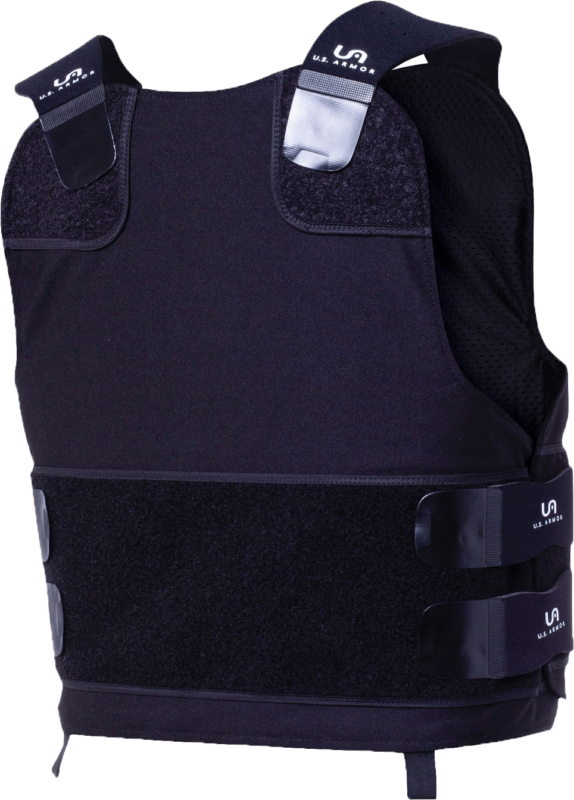
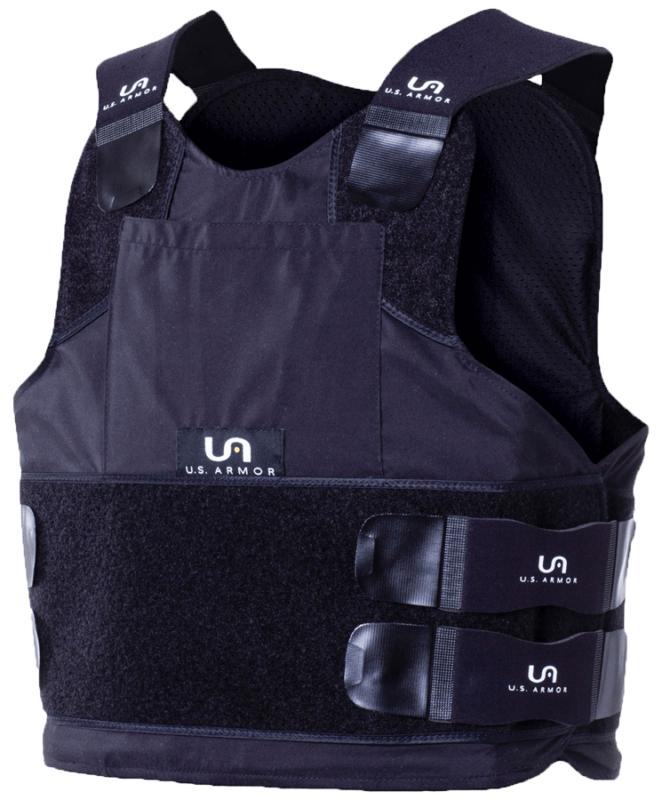
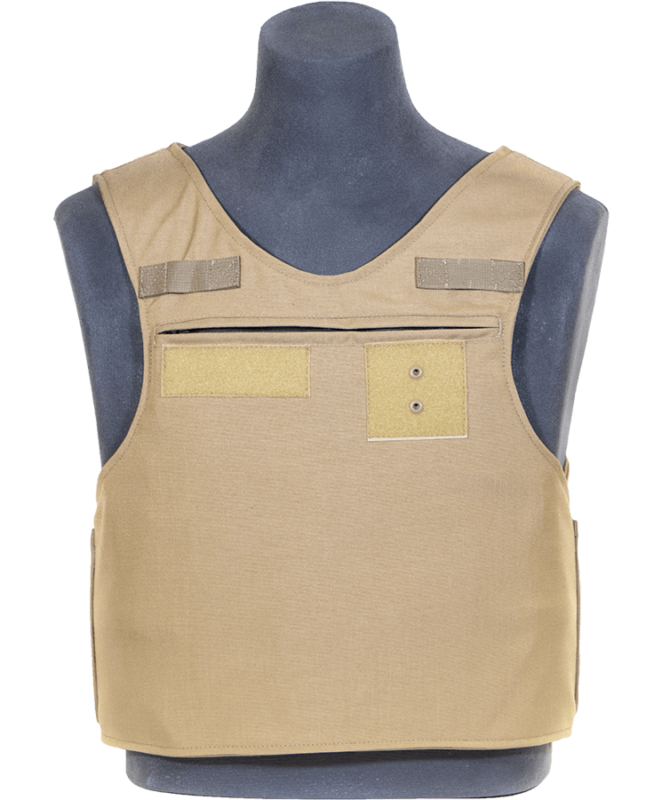
A ballistic vest is two parts working together: the ballistic panel that stops the threat, and the carrier that holds it against the body. Get the panel right and you have certified protection. Get the carrier right and the officer actually wears it for a full shift. We build both, and we fit them to your team.
A note on the word “bulletproof”
No body armor made by anyone is bulletproof. The correct term — and the one used by the National Institute of Justice, whose standard governs armor worn by U.S. law enforcement — is ballistic-resistant.1
Armor is certified to stop specific threats at specific levels, verified by independent laboratory testing. For any given protection level, NIJ’s test protocol requires that the tested bullet does not perforate the vest and that the vest limits blunt trauma.2 That is protection against specified threats — not all of them. A vest rated for handgun rounds will not stop rifle fire.
Any manufacturer who tells you otherwise is selling you something we won’t. We’d rather you buy the right level than the wrong assumption.
Featured carriers
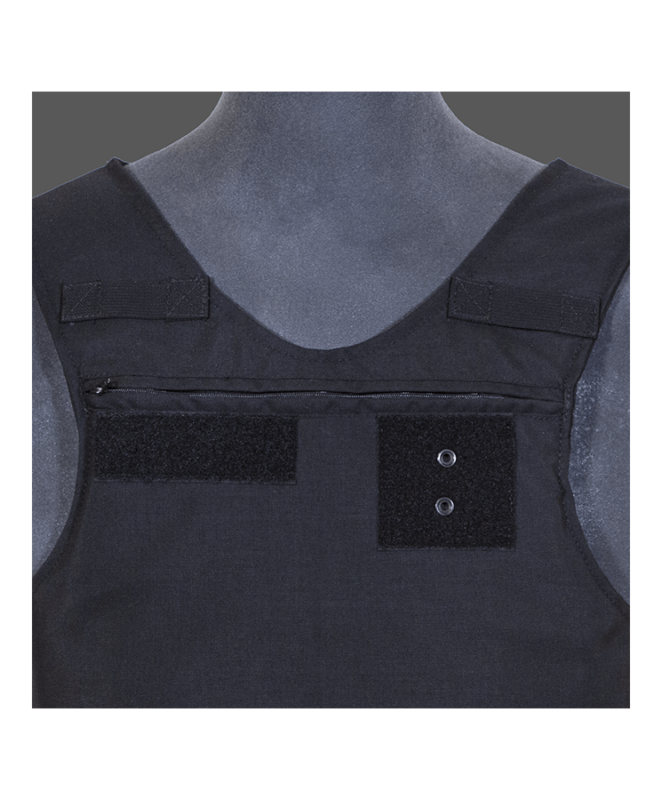
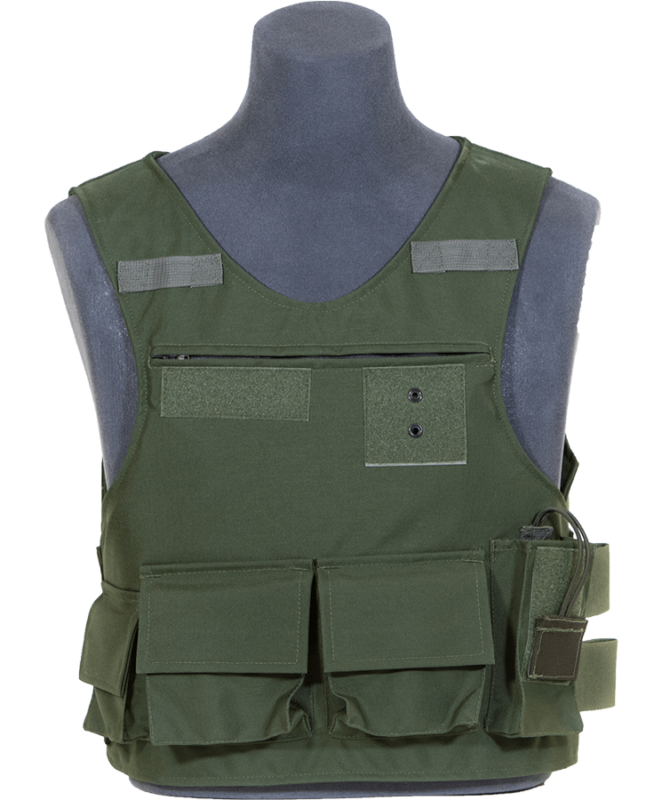
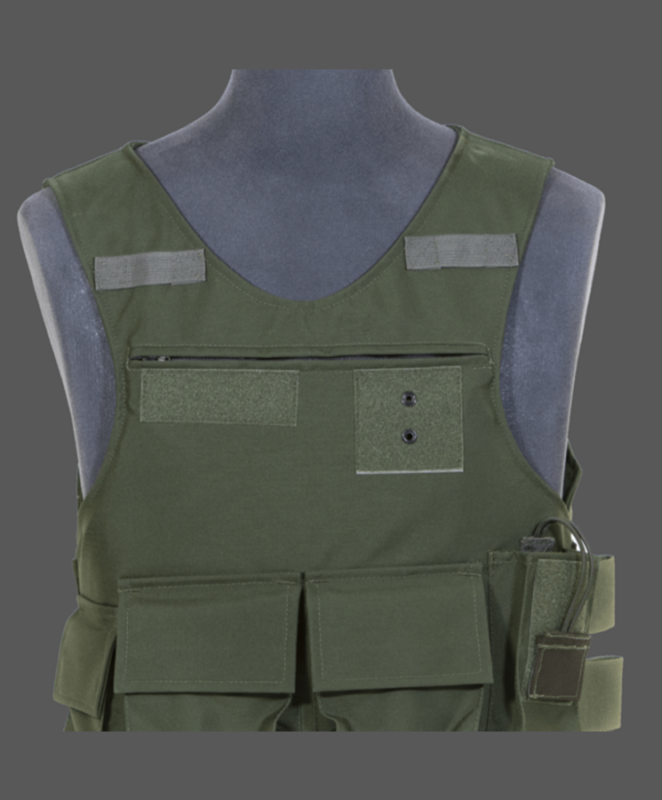
A selection across concealable and external wear. Every carrier accepts our NIJ-certified ballistic panels.
ACS Concealable Carrier
ACS-EXP Concealable Carrier
Ranger 100 G3
Ranger 200 G3
Choosing your protection level
Level IIA — the lightest and most concealable option, rated against lower-velocity handgun rounds. Suited to plain-clothes and administrative roles where comfort over long hours matters most.
Level II — the most common choice for patrol. A balance of protection and wearability that addresses the majority of duty handgun calibers.
Level IIIA — the highest level of soft armor protection, covering higher-velocity handgun threats. Heavier than Level II but still concealable under a uniform shirt.
Levels III and IV require hard rifle plates rather than soft armor. Those are carried in Rifle Plates and can be worn in combination with the vests on this page.
Concealable or external?
Concealable
Worn beneath the uniform shirt. Low-profile, discreet, and the standard choice for patrol and plain-clothes assignments.
External
Worn over the uniform, moving weight from the belt to the shoulders — a meaningful difference for officers dealing with back and hip strain.
Why fit matters more than most buyers expect
A vest that doesn’t fit doesn’t get worn, and a vest that isn’t worn protects nobody. Every U.S. Armor vest is cut to individual measurements rather than sold in generic sizes, with dedicated female models engineered for proper coverage and comfort rather than resized from a male pattern.
Every vest carries our 60-day fit guarantee.
Frequently asked questions
No. No body armor sold by any manufacturer is bulletproof, and the term is a misnomer. The National Institute of Justice — which sets the only nationally accepted standard for armor worn by U.S. law enforcement — titles its standard Ballistic Resistance of Body Armor and classifies armor by levels of ballistic performance against defined test threats. For any given level, NIJ’s protocol requires that the tested bullet does not perforate the vest and that the vest limits blunt trauma. That is protection against specified threats, not all of them.
Cost depends on protection level, carrier type and whether the vest is individually fitted. Because we build to each wearer’s measurements and quote by agency order size, pricing is provided per request — most quotes are returned within one business day. Many agencies fund vests through grant programs; see our grants resources.
Soft body armor is built from layered high-performance fibres — most commonly aramids such as Kevlar, and ultra-high-molecular-weight polyethylene. The layers catch and disperse a round’s energy across a wide area.
Level II addresses most common duty handgun calibers. Level IIIA adds protection against higher-velocity handgun rounds, at some cost in weight and flexibility. Neither stops rifle rounds — that requires hard plates.
No. Soft body armor is rated for handgun threats. Rifle protection requires Level III or Level IV hard plates, which can be worn in combination with the vests on this page.
Yes. We fit to individual measurements and support agency-wide programs including sizing sessions, standardised specifications and phased rollouts. Request a quote and our team will work through requirements with you.
Have Questions?
Not sure which protection level or carrier style fits your team? Our specialists work with agencies every day on sizing, threat assessment and procurement. Ask us anything — there’s no obligation.
References
1. National Institute of Justice, Ballistic Resistance of Body Armor, NIJ Standard 0101.07 — the current NIJ standard for ballistic-resistant body armor. nij.ojp.gov
2. National Institute of Justice, Body Armor Performance Standards and Compliance Testing: “The NIJ ballistic resistance standard classifies body armor by levels of ballistic performance. For any performance level, NIJ’s test protocol requires that the bullet does not perforate the vest and that the vest protects against blunt trauma.” nij.ojp.gov
U.S. Armor manufactures ballistic-resistant body armor tested to NIJ standards. No body armor is bulletproof. Armor is certified against specific threats at specific protection levels; it does not provide protection against all threats, and no vest guarantees against injury. Select the protection level appropriate to your threat environment, and replace panels at the end of their warranted service life.