
Travel safety has become a bigger conversation in recent years — especially for journalists, humanitarian workers, security professionals, executives, digital nomads, and travelers heading into unfamiliar environments. While most trips never require protective equipment, some travelers are now exploring modern travel ballistic protection options as part of broader risk-awareness planning.
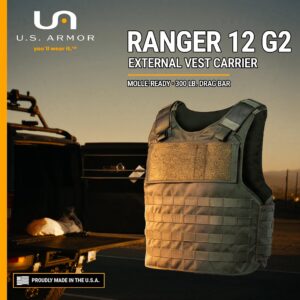
Today’s body armor market looks very different from the bulky systems of the past. Lightweight carriers, discreet designs, flexible soft armor, and travel-focused configurations have made travel safety armor more practical for people constantly on the move.
But carrying armor while traveling also introduces important questions:
- Is body armor legal where you’re going?
- Can you bring it through airport security?
- What kind of gear works best for different travel styles?
- How should you pack and document protective equipment?
This guide breaks down the essentials of traveling responsibly and legally with body armor — domestically and internationally.
Understanding Body Armor Legality by Country and Region
Before traveling with protective equipment, it’s important to research international body armor laws carefully. Regulations can vary widely depending on the country, region, and type of armor being transported.
In the United States, body armor is generally legal for most law-abiding civilians. However, some states may impose restrictions in certain situations.
Internationally, laws are far less consistent. Some countries allow civilian ownership, while others require permits, restrict ballistic plates, or classify armor as controlled military equipment. In certain regions, civilian possession may be prohibited entirely.
Before departure, travelers should verify customs requirements, airline policies, and local regulations to ensure compliance with current armor travel guidelines. Failure to do so could lead to delays, confiscation of equipment, fines, or legal penalties.
The safest approach is always to check official government, embassy, or customs resources before traveling internationally with travel safety armor.
Airport Body Armor: TSA Considerations & Air Travel Tips
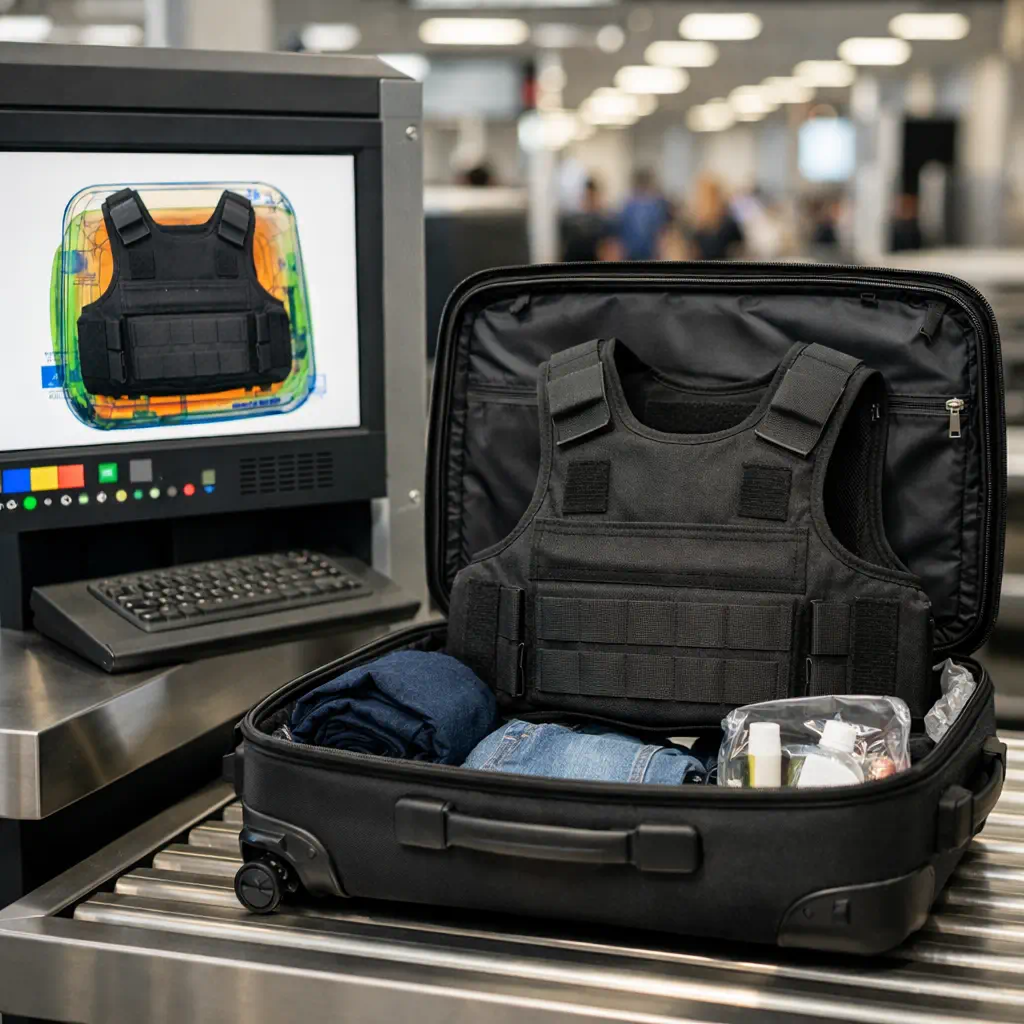
One of the most common concerns involves airport body armor procedures and TSA screening.
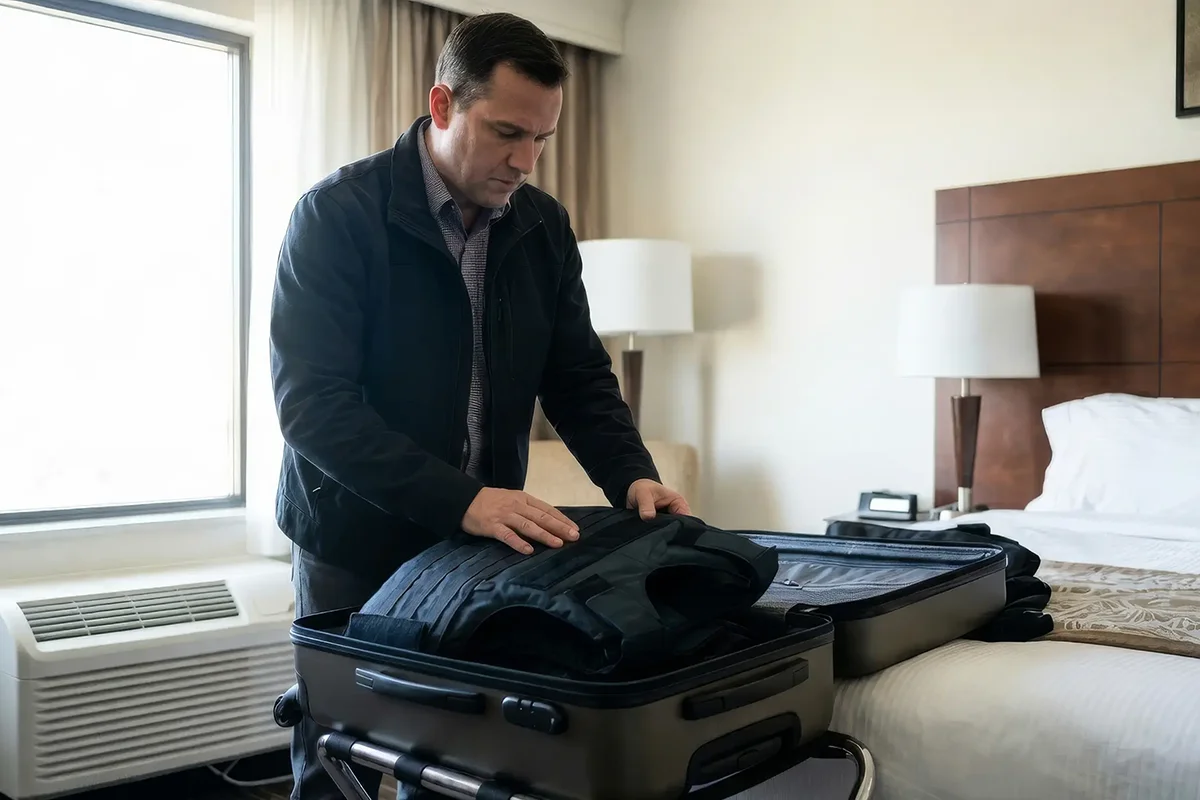
In many domestic situations, armor can legally travel in checked or carry-on luggage. However, travelers should expect additional screening in some cases.
Helpful TSA and Airline Travel Practices
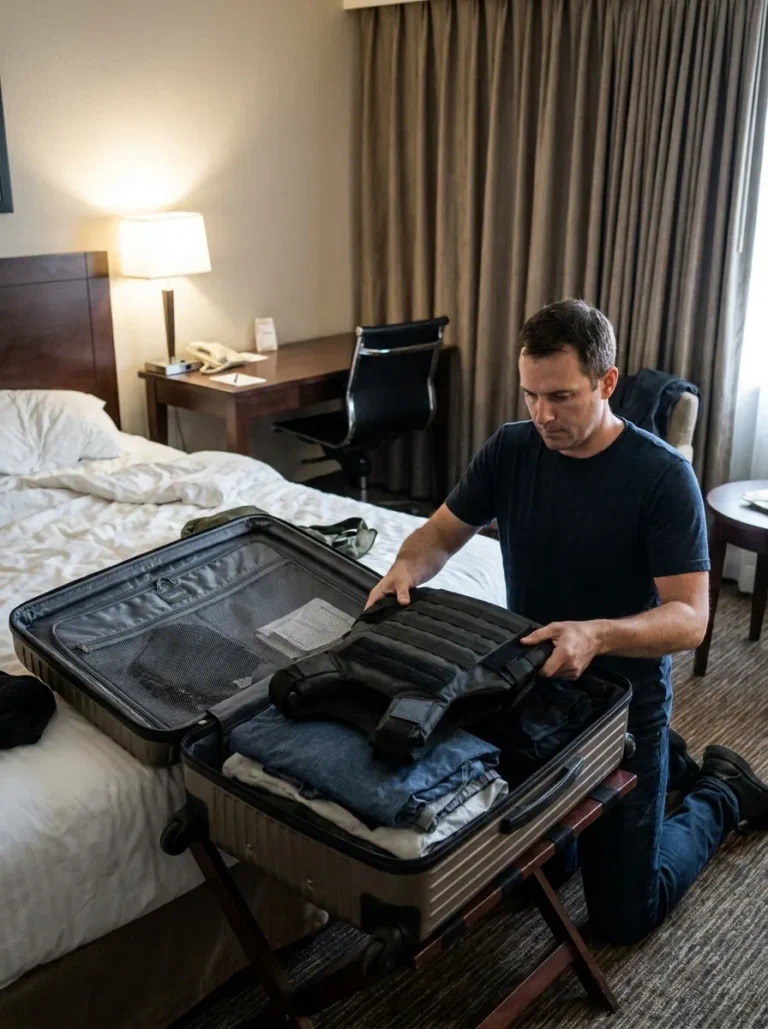
When traveling with airport body armor, preparation and discretion are important. Travelers should pack armor neatly, keep product documentation accessible, and allow extra time for potential screening. It’s also recommended to separate armor plates from electronics and avoid wearing armor through airport checkpoints whenever possible.
For international flights, customs regulations often matter more than TSA procedures alone. Travelers should review destination-specific requirements carefully and avoid transporting restricted tactical items unless legally permitted and properly declared.
Maintaining a professional, low-profile approach during screening can help minimize delays and unnecessary attention.

Best Armor Choices for Long vs Short Trips
Not every trip requires the same level of travel ballistic protection. The ideal setup often depends on trip length, destination risk level, climate, and mobility needs.
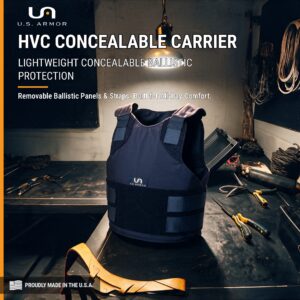
For shorter business or urban trips, many travelers prefer lightweight soft armor, low-profile carriers, or discreet backpack inserts. These options are easier to transport, more comfortable during long transit days, and better suited for concealment in public settings.
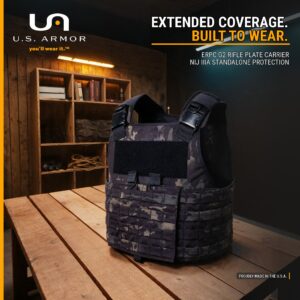
For longer international assignments or remote travel, more durable and adaptable systems may be necessary. Modular carriers, moisture-resistant materials, and expanded coverage options can provide greater versatility in unpredictable environments.
No matter the destination, comfort plays a major role. Armor that fits properly and remains wearable for extended periods is often the most practical choice for real-world travel.
Urban vs Wilderness Travel Protection Gear
Travel environments matter just as much as trip duration.
Urban Travel Protection Priorities
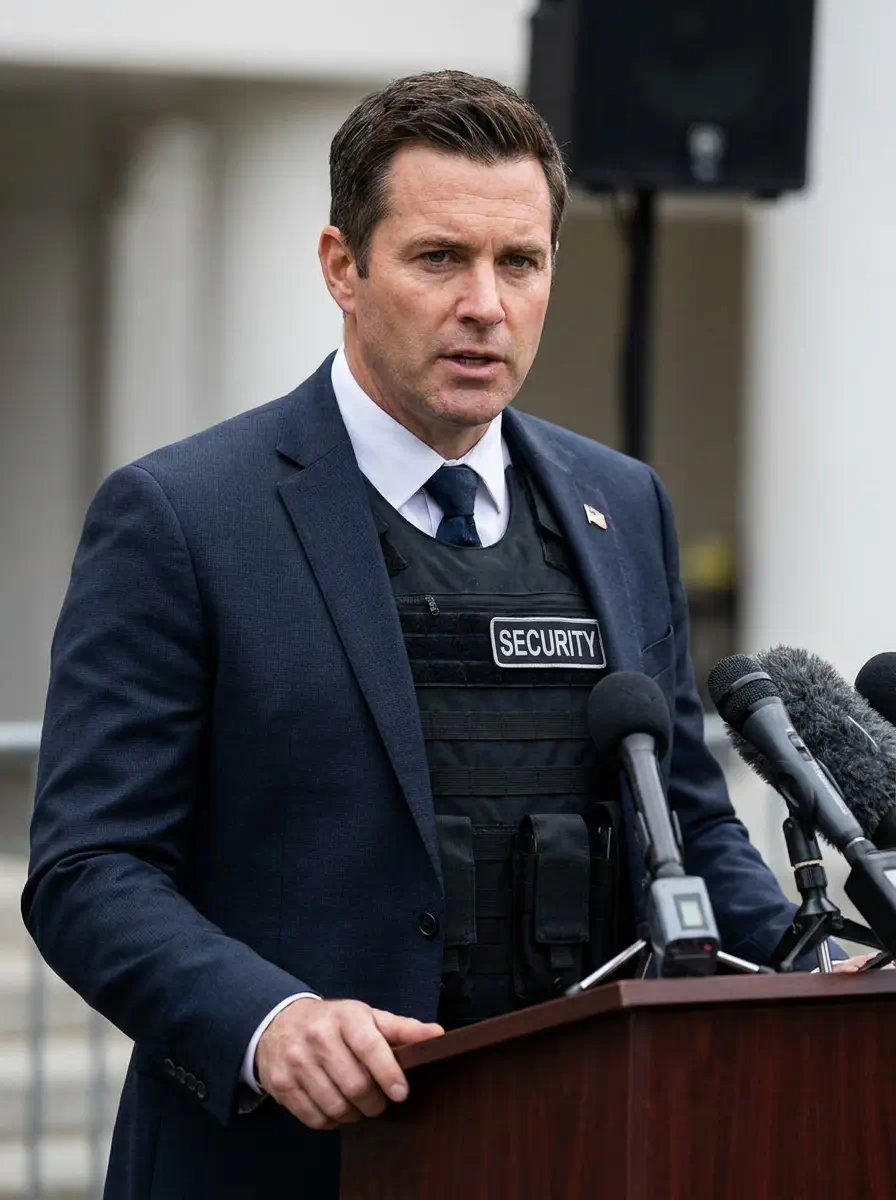
Travelers in urban environments typically prioritize lightweight, discreet travel safety armor that blends easily with everyday or business clothing. In crowded cities and public transportation settings, comfort, mobility, and concealment are often more important than overt tactical appearance.
Wilderness Travel Protection Priorities
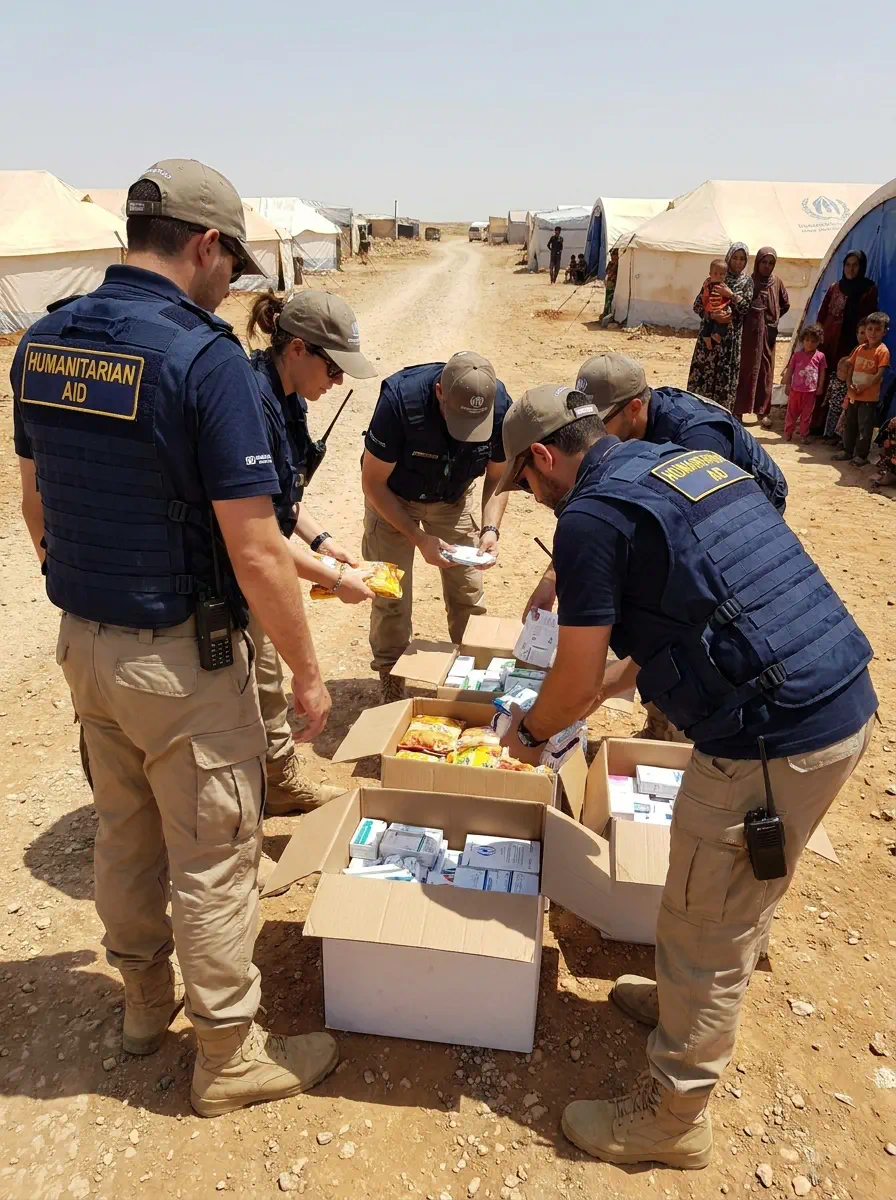
For wilderness or remote travel, priorities tend to shift toward durability, weather resistance, hydration compatibility, and gear that can support longer periods away from immediate assistance. Remote environments may also require additional emergency preparedness planning due to limited medical access or evacuation resources.
Ultimately, the best travel ballistic protection setup depends on the traveler’s environment, mobility needs, and overall risk profile.
Emergency Preparedness While Abroad
Carrying protective equipment is only one part of a broader approach to travel safety. Effective preparedness also means having clear plans in place for communication, medical support, evacuation, and transportation in case conditions change unexpectedly.
Before traveling, it’s wise to think through how you would stay in contact with trusted individuals, what your exit options are from a given location, and how you would access medical care if needed. Keeping embassy contact information and understanding local emergency procedures can also make a significant difference in a fast-moving situation.
Many travelers also register with embassy traveler programs when available, share their itineraries with trusted contacts, and monitor local security updates throughout their trip. Those carrying travel ballistic protection should remain mindful of their surroundings and avoid drawing unnecessary attention, prioritizing awareness and discretion.
Ultimately, preparedness is less about expecting the worst and more about making informed, practical decisions that help you stay adaptable and ready for changing conditions while abroad.
Practical Tips for Safer Armor Travel
A few consistent recommendations appear across professional traveler communities:
Prioritize Comfort
Armor that is too heavy or uncomfortable often gets left behind.
Stay Legally Informed
Research international body armor laws repeatedly, especially if itineraries change.
Keep a Low Profile
Discretion often improves personal safety more effectively than overt tactical presentation.
Train Before Traveling
Practice wearing and moving with your gear before departure.
Think Beyond Equipment
Situational awareness, planning, and communication remain your most important safety tools.
Final Thoughts
The world of travel safety body armor continues to evolve alongside changing global travel conditions and growing awareness around personal security. Modern protective solutions are no longer limited to heavy, military-style equipment. Advances in lightweight materials, discreet carriers, flexible soft armor systems, and travel-focused designs have made travel safety armor more practical for professionals and travelers who prioritize preparedness without sacrificing comfort or mobility.
For journalists, humanitarian workers, executives, security personnel, digital nomads, and others traveling through unfamiliar or higher-risk environments, understanding how body armor fits into a broader travel safety strategy is increasingly important. Preparation goes beyond simply purchasing protective equipment. Travelers should take time to research airport body armor procedures, understand international body armor laws and import restrictions, and become familiar with safe, responsible travel practices before departure. Regulations can vary significantly between countries, and being informed ahead of time can help avoid unnecessary complications during transit.
Choosing the right setup also requires balancing protection with practicality. Comfort-focused gear selection, smart packing methods, and mobility considerations all play an important role in ensuring that protective equipment remains functional during long travel days, changing climates, and unpredictable conditions. Equally important is maintaining situational awareness and having an emergency preparedness plan that includes communication, transportation, and contingency planning.
Ultimately, effective travel safety is not defined solely by the equipment someone carries. The most effective approach combines legal awareness, thoughtful preparation, responsible decision-making, and a clear understanding of the environments being navigated. Travel safety armor can be one component of that preparation, but informed planning and proactive awareness remain the foundation of safer travel experiences.