
Law Enforcement Body Armor Guide: Protecting Those Who Serve


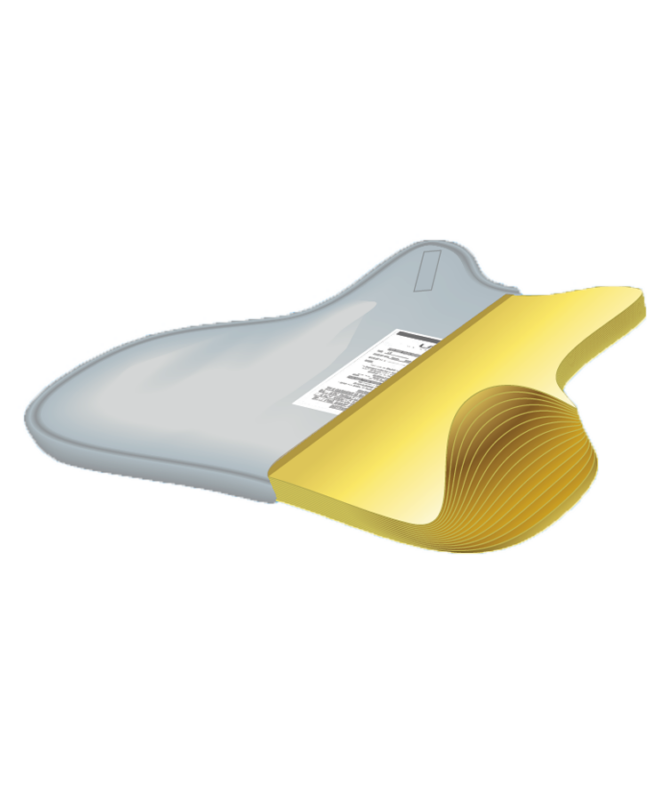
Enforcer XLT Model XLT2 – NIJ 0101.05 – Level II
Finally, you don’t have to sacrifice comfort for dependable protection with enhanced heat management. Comfort is the difference. Kevlar® Comfort XLT is a proven ballistic technology from DuPont. The state-of-the-art weave and spinning technique allow this version of Kevlar to be more comfortable, flexible and lighter yet still deliver the same ballistic performance and stopping power as previous, heavier blends of DuPont Kevlar.
Whether you're in tactical operations, law enforcement missions, or personal defense scenarios, this product delivers the strength and protection you need. The Enforcer-XLT-Model-XLT2-Level-II-NIJ-05 is lightweight yet rugged, ensuring prolonged wearability while maintaining peak performance. Engineered to meet the highest industry standards, it is the go-to choice for professionals who demand excellence in protective gear. Stay prepared and secure with the Enforcer-XLT-Model-XLT2-Level-II-NIJ-05, your ultimate safeguard against evolving threats.
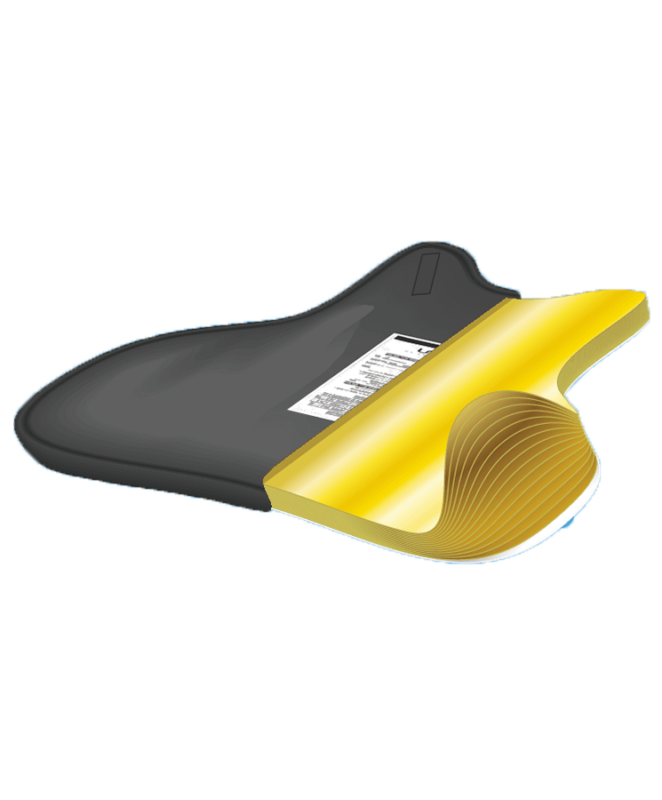
Enforcer XP Series Model 1316M – NIJ 0101.06 – Level IIIA
KEVLAR® XP™ is a new woven fabric from DuPont’s family of performance aramids. KEVLAR® XP™ has been completely redesigned for today’s modern threats. One of the key improvements to this fabric is its ability to reduce the back face deformation by 15% or more when compared to other ballistic materials. The Enforcer XP Series Model 1316M - Level IIIA is designed for superior protection and reliability, making it an essential piece of gear for law enforcement, military personnel, and security professionals. Built with high-quality materials and advanced engineering, it provides optimal safety without compromising comfort or mobility. With a focus on durability, the Enforcer-XP-Series-Model-1316M-Level-IIIA offers enhanced resistance against impact and ballistic threats, ensuring maximum defense in high-risk situations.
Whether you're in tactical operations, law enforcement missions, or personal defense scenarios, this product delivers the strength and protection you need. The Enforcer-XP-Series-Model-1316M-Level-IIIA is lightweight yet rugged, ensuring prolonged wearability while maintaining peak performance. Engineered to meet the highest industry standards, it is the go-to choice for professionals who demand excellence in protective gear. Stay prepared and secure with the Enforcer XP Series Model 1316M - Level IIIA, your ultimate safeguard against evolving threats.
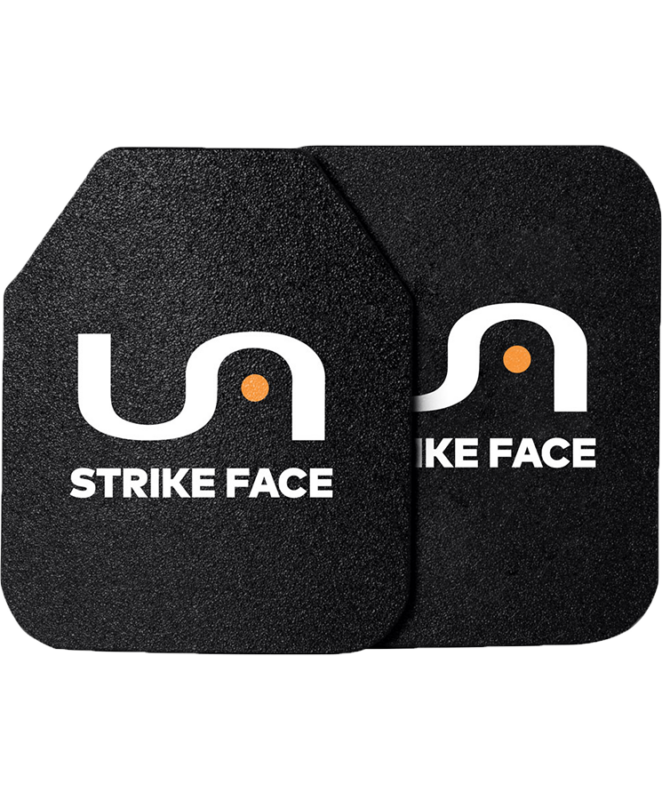
Game Changer Steel Rifle Plate – Level III+
The Game Changer Steel Rifle Plate - Level III+ is designed for superior protection and reliability, making it an essential piece of gear for law enforcement, military personnel, and security professionals. Built with high-quality materials and advanced engineering, it provides optimal safety without compromising comfort or mobility. With a focus on durability, the game-changer-steel-rifle-plate-level-iii+ offers enhanced resistance against impact and ballistic threats, ensuring maximum defense in high-risk situations. Whether you're in tactical operations, law enforcement missions, or personal defense scenarios, this product delivers the strength and protection you need.
The game-changer-steel-rifle-plate-level-iii+ is lightweight yet rugged, ensuring prolonged wearability while maintaining peak performance. Engineered to meet the highest industry standards, it is the go-to choice for professionals who demand excellence in protective gear. Stay prepared and secure with the Game Changer Steel Rifle Plate - Level III+, your ultimate safeguard against evolving threats.
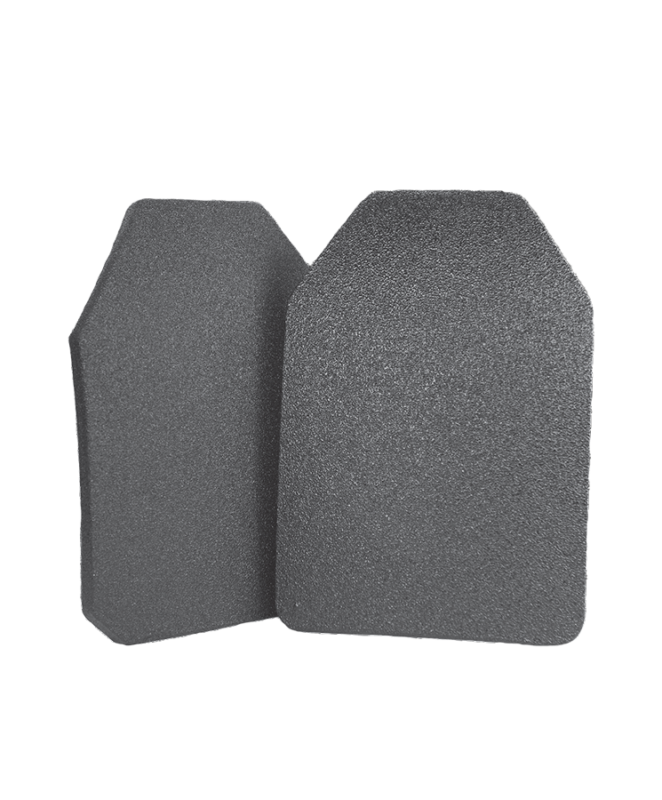
Model 3800C – Level III Rifle Plate
The Model 3800C - Level III Rifle Plate is designed for superior protection and reliability, making it an essential piece of gear for law enforcement, military personnel, and security professionals. Built with high-quality materials and advanced engineering, it provides optimal safety without compromising comfort or mobility. With a focus on durability, the model-3800c-level-iii-rifle-plate offers enhanced resistance against impact and ballistic threats, ensuring maximum defense in high-risk situations.
Whether you're in tactical operations, law enforcement missions, or personal defense scenarios, this product delivers the strength and protection you need. The model-3800c-level-iii-rifle-plate is lightweight yet rugged, ensuring prolonged wearability while maintaining peak performance. Engineered to meet the highest industry standards, it is the go-to choice for professionals who demand excellence in protective gear. Stay prepared and secure with the Model 3800C - Level III Rifle Plate, your ultimate safeguard against evolving threats.
Get a Quote
This product has multiple variants. The options may be chosen on the product page
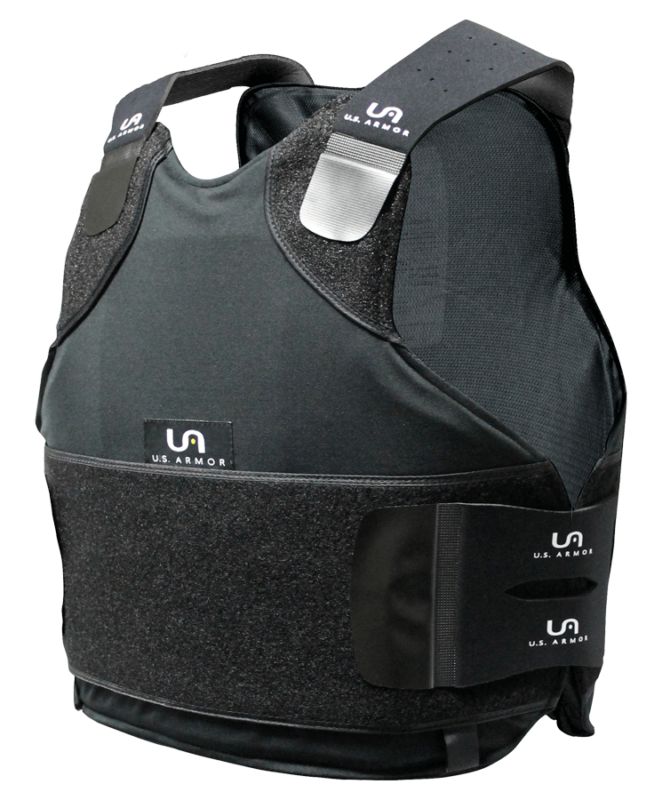
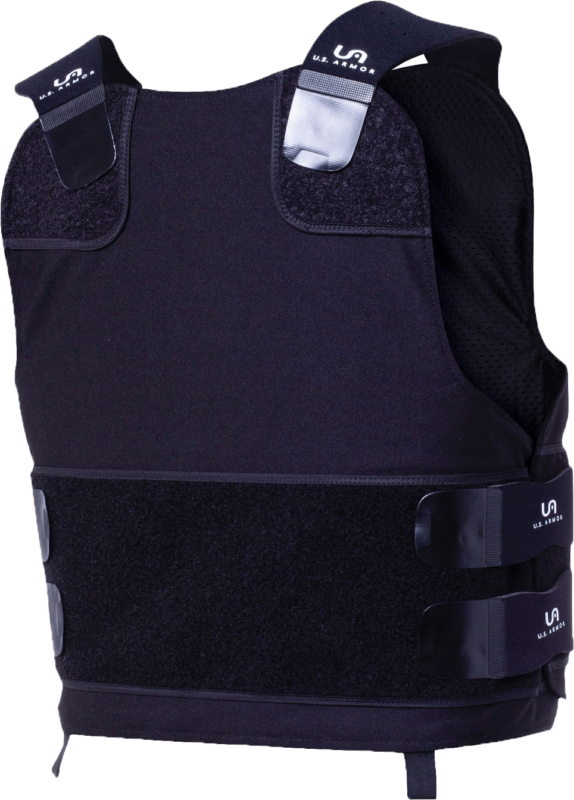
ACS Concealable Body Armor
The removable ACS machine washable carrier is constructed of anti-microbial, closed-hole mesh fabric with built in two-way stretch on the exterior half of the carrier and moisture wicking (Wikaway) mesh on body side to allow for air flow and evaporation. The carrier is removable from the ballistic panels for laundering. Comfort-Curve ventilated shoulder straps using Breath-O-Prene conform to the natural shoulder shape. The additional width and two-way stretch of the Comfort-Curve shoulder strap system allows for enhanced weight distribution and comfort. The Breath-O-Prene straps are removable; our QC Strap System allows for ease of replacement by an individual, in the event of wear or fatigue.
Whether you're in tactical operations, law enforcement missions, or personal defense scenarios, this product delivers the strength and protection you need. The ACS Concealable Body Armor is lightweight yet rugged, ensuring prolonged wearability while maintaining peak performance. Engineered to meet the highest industry standards, it is the go-to choice for professionals who demand excellence in protective gear. Stay prepared and secure with the ACS Concealable Body Armor, your ultimate safeguard against evolving threats.
Get a Quote
This product has multiple variants. The options may be chosen on the product page
ACS-EXP Concealable Body Armor
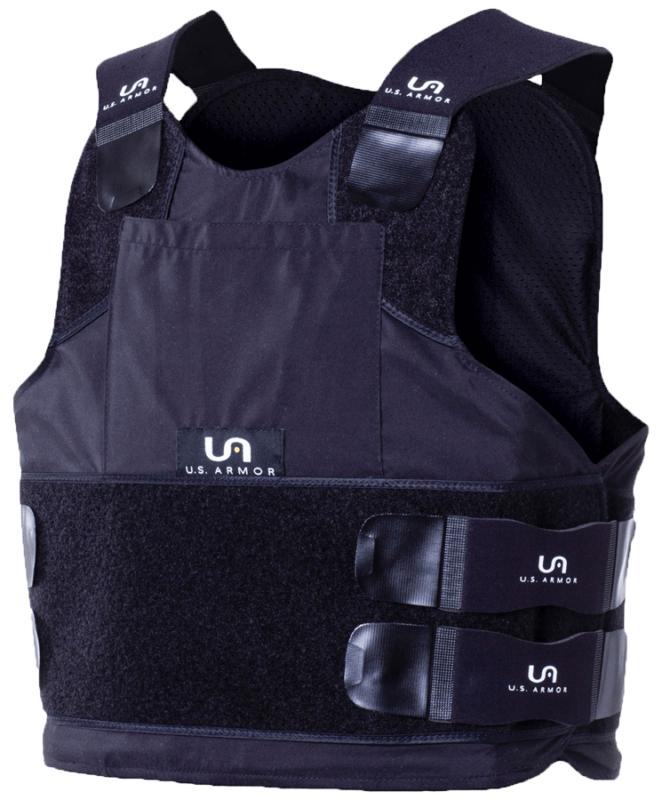
The removable ACS-EXP machine washable carrier is constructed of anti-microbial, closed-hole mesh fabric with built in two way stretch on the exterior half of the carrier and moisture wicking (Wikaway) mesh on body side to allow for air flow and evaporation. The carrier is removable from the ballistic panels for laundering. Comfort-Curve ventilated shoulder straps using Breath-O-Prene conform to the natural shoulder shape. The additional width and two-way stretch of the Comfort-Curve shoulder strap system allows for enhanced weight distribution and comfort. The Breath-O-Prene straps are removable; our QC Strap System allows for ease of replacement by an individual, in the event of wear or fatigue.
Whether you're in tactical operations, law enforcement missions, or personal defense scenarios, this product delivers the strength and protection you need. The ACS-EXP Concealable Body Armor is lightweight yet rugged, ensuring prolonged wearability while maintaining peak performance. Engineered to meet the highest industry standards, it is the go-to choice for professionals who demand excellence in protective gear. Stay prepared and secure with the ACS-EXP Concealable Body Armor, your ultimate safeguard against evolving threats.
Get a Quote
This product has multiple variants. The options may be chosen on the product page
G-FORCE PC – Rifle Plate Carrier Platform
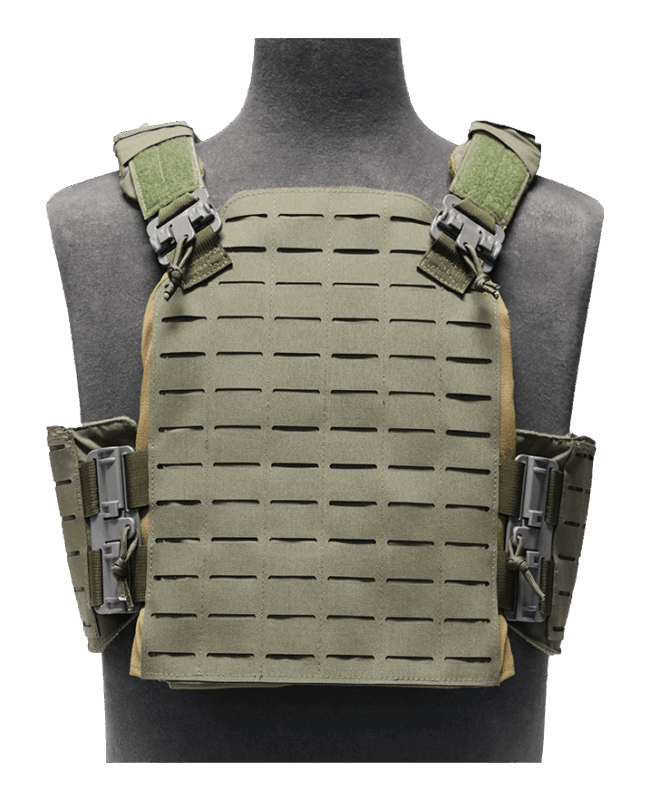
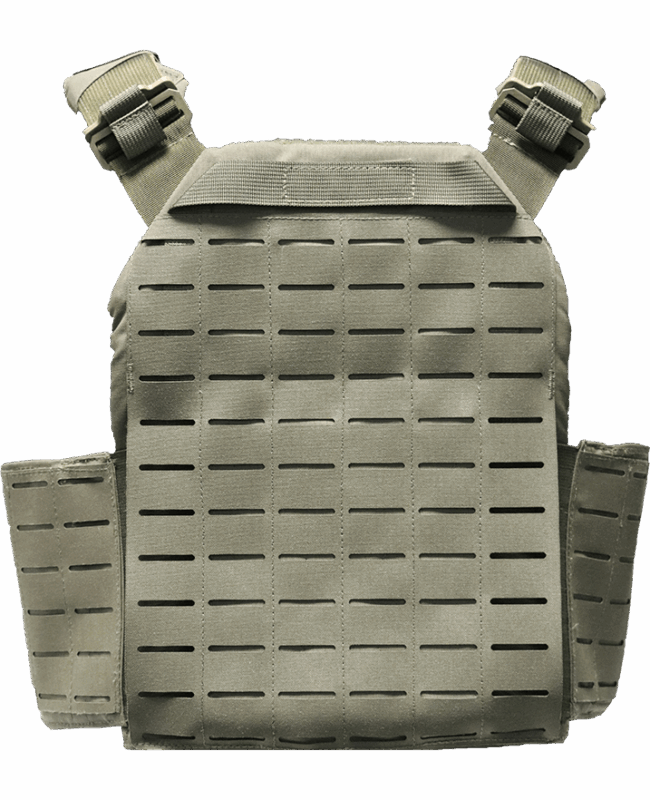
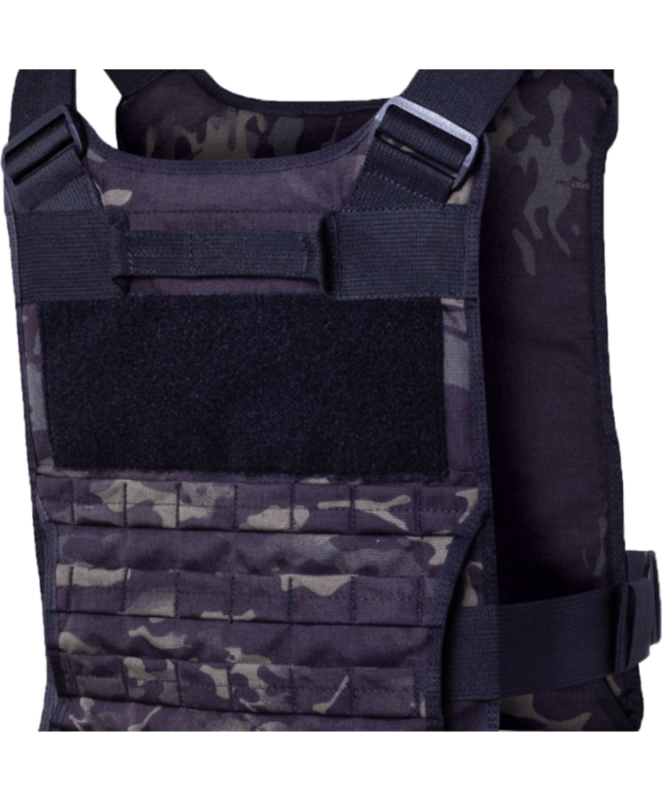
Designed to be worn as a stand-alone rifle plate carrier or in conjunction with an officer's concealable soft body armor in a first responder situation or extended deployment. The G-Force PC can be worn over the top of the officer's soft body armor in order to provide a higher level of rifle protection (rifle plates not included) in the event of an active shooter situation or when responding into a high-threat environment.
The G-Force PC can also be fitted with NIJ certified ballistic panels (front/back and sides), creating a "stand-alone" tactical vest platform to build upon.
RPC – Rifle Plate Carrier
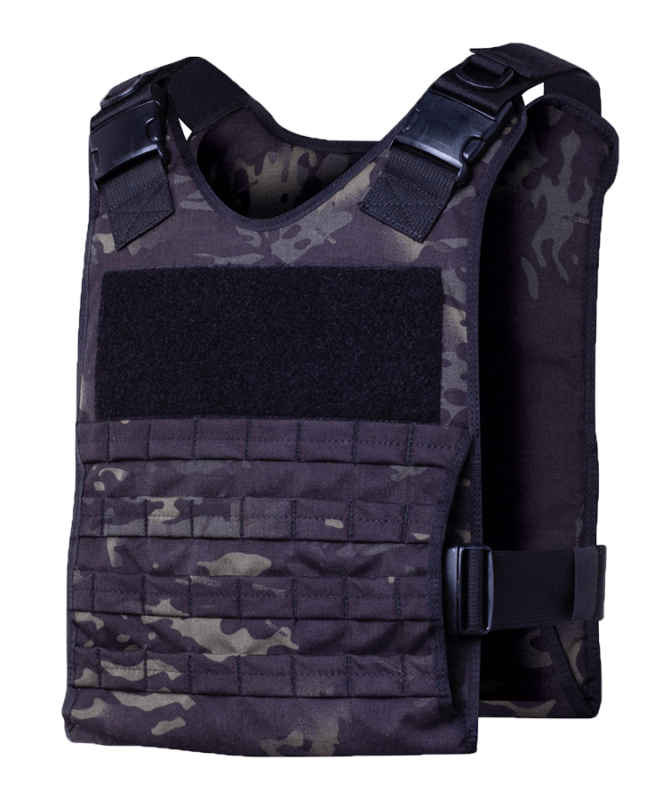
The RPC G2 is designed as a throw-over Rifle Plate carrier, which is worn in conjunction with an officer’s concealable soft body armor for instant deployment in a first responder situation. The RPC is worn over the top of an officer’s concealable body armor to provide a higher level of threat protection in the event of an active shooter situation or in rapid response to high threat environments. The RPC-Rifle-Plate-Carrier can also be fitted with Threat Level IIIA Ballistic inserts that provide “stand alone” IIIA ballistic protection or provides additional protection when used behind a Rifle Plate.
The RPC-Rifle-Plate-Carrier is designed for superior protection and reliability, making it an essential piece of gear for law enforcement, military personnel, and security professionals. Built with high-quality materials and advanced engineering, it provides optimal safety without compromising comfort or mobility. With a focus on durability, the RPC-Rifle-Plate-Carrier offers enhanced resistance against impact and ballistic threats, ensuring maximum defense in high-risk situations. Whether you're in tactical operations, law enforcement missions, or personal defense scenarios, this product delivers the strength and protection you need.
Get a Quote
This product has multiple variants. The options may be chosen on the product page
Enforcer 5000 Series Female Model 5226F – NIJ 0101.06 – Level II
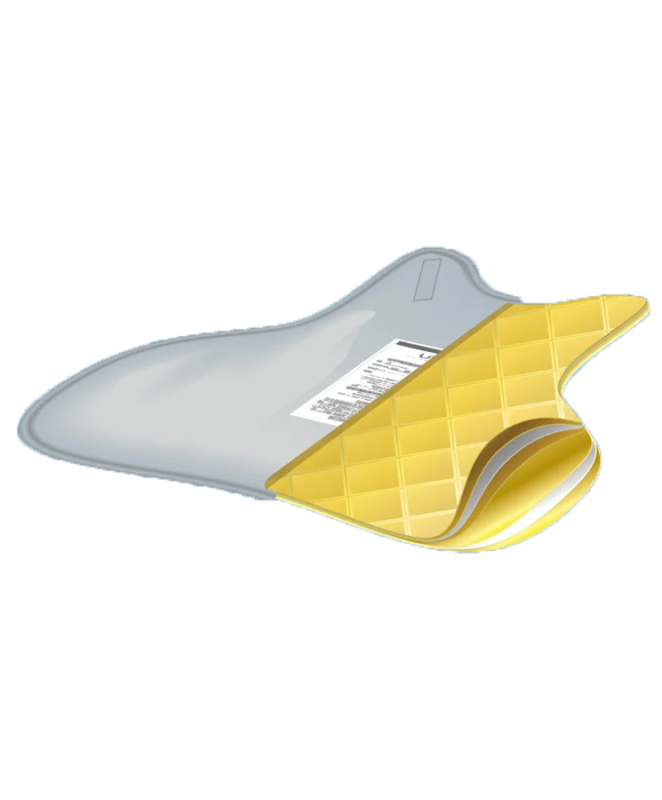
The Enforcer 5000 is an advanced technological design combining Honeywell’s proven Gold Flex, new Spectra Shield II ballistic material and DuPont’s Kevlar® XP™. The end result is a lighter, more flexible vest that still satisfies the strict performance requirements of the NIJ 0101.06 Standard. The Enforcer 5000 Series Female Model 5226F - Level II is designed for superior protection and reliability, making it an essential piece of gear for law enforcement, military personnel, and security professionals. Built with high-quality materials and advanced engineering, it provides optimal safety without compromising comfort or mobility. With a focus on durability, the Enforcer-5000-Series-Female-Model-5226F-Level-II offers enhanced resistance against impact and ballistic threats, ensuring maximum defense in high-risk situations.
Whether you're in tactical operations, law enforcement missions, or personal defense scenarios, this product delivers the strength and protection you need. The Enforcer-5000-Series-Female-Model-5226F-Level-II is lightweight yet rugged, ensuring prolonged wearability while maintaining peak performance. Engineered to meet the highest industry standards, it is the go-to choice for professionals who demand excellence in protective gear. Stay prepared and secure with the Enforcer 5000 Series Female Model 5226F - Level II, your ultimate safeguard against evolving threats.
Enforcer 6000 Series Female Model 6226F – NIJ 0101.06 – Level II
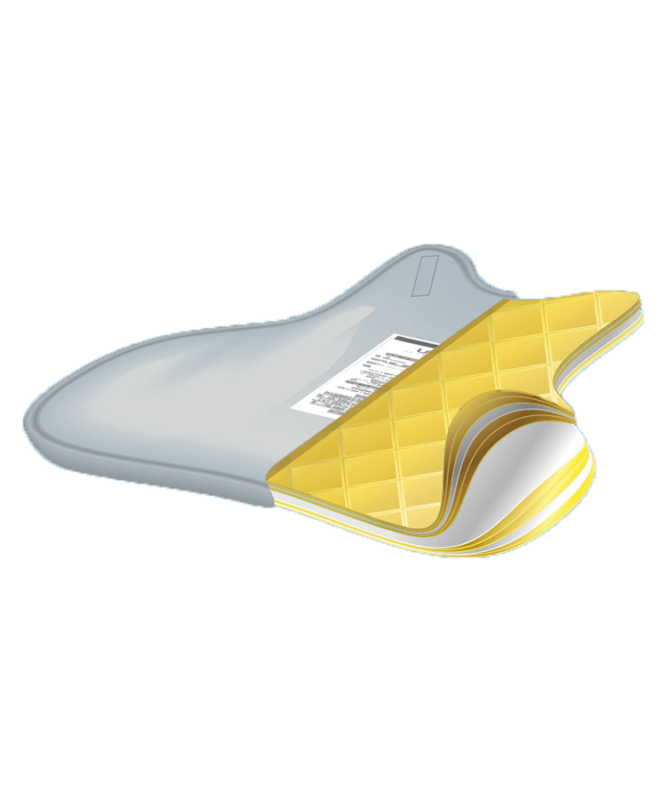
The Enforcer-6000-Series-Female-Model-6226F-Level-II is an advanced technological design combining Honeywell’s proven advanced Spectra Shield® II, and Dupont Kevlar woven by SAATI. The end result is a lighter, more flexible vest that exceeds the strict performance requirements of the NIJ 0101.06 Standard. Whether you're in tactical operations, law enforcement missions, or personal defense scenarios, this product delivers the strength and protection you need.
The Enforcer-6000-Series-Female-Model-6226F-Level-IIis lightweight yet rugged, ensuring prolonged wearability while maintaining peak performance. Engineered to meet the highest industry standards, it is the go-to choice for professionals who demand excellence in protective gear. Stay prepared and secure with the Enforcer 6000 Series Female Model 6226F - Level II, your ultimate safeguard against evolving threats. Designed for superior protection and reliability, making it an essential piece of gear for law enforcement, military personnel, and security professionals. Built with high-quality materials and advanced engineering, it provides optimal safety without compromising comfort or mobility.

LPC – Lightweight Plate Carrier
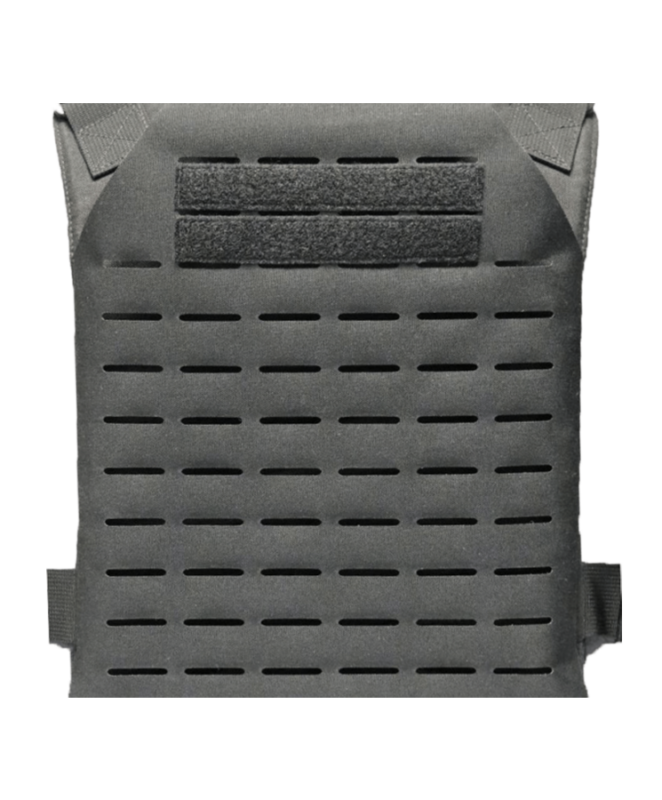
The smallest and lightest Rifle Plate Carrier in the U.S. Armor tactical line. The LPC is designed as a throw-over Rifle Plate carrier, which is worn in conjunction with an officer’s concealable soft body armor for instant deployment in a first responder situation. The RPC is worn over the top of an officer’s concealable body armor to provide a higher level of threat protection in the event of an active shooter situation or in rapid response to high threat environments. The LPC-Lightweight-Plate-Carrier is designed for superior protection and reliability, making it an essential piece of gear for law enforcement, military personnel, and security professionals. Built with high-quality materials and advanced engineering, it provides optimal safety without compromising comfort or mobility.
With a focus on durability, the LPC-Lightweight-Plate-Carrier offers enhanced resistance against impact and ballistic threats, ensuring maximum defense in high-risk situations. Whether you're in tactical operations, law enforcement missions, or personal defense scenarios, this product delivers the strength and protection you need. The LPC-Lightweight-Plate-Carrier is lightweight yet rugged, ensuring prolonged wearability while maintaining peak performance. Engineered to meet the highest industry standards, it is the go-to choice for professionals who demand excellence in protective gear. Stay prepared and secure with the LPC - Lightweight Plate Carrier, your ultimate safeguard against evolving threats.
Get a Quote
This product has multiple variants. The options may be chosen on the product page


Ready Vest G2
The ultimate in external outer vest carriers for patrol-based individuals, first responders and investigative personnel. Inserting your existing ballistic panels into this carrier turns your concealable vest into an externally worn tactical outer vest carrier. Adding the optional rifle plate and mounting your gear using the external MOLLE system allows you to be fully ready for active shooters, warrant services, containments and other tactical missions. The Ready-Vest-G2 is designed for superior protection and reliability, making it an essential piece of gear for law enforcement, military personnel, and security professionals.
Built with high-quality materials and advanced engineering, it provides optimal safety without compromising comfort or mobility. With a focus on durability, the ready-vest-g2 offers enhanced resistance against impact and ballistic threats, ensuring maximum defense in high-risk situations. Whether you're in tactical operations, law enforcement missions, or personal defense scenarios, this product delivers the strength and protection you need. The ready-vest-g2 is lightweight yet rugged, ensuring prolonged wearability while maintaining peak performance. Engineered to meet the highest industry standards, it is the go-to choice for professionals who demand excellence in protective gear. Stay prepared and secure with the Ready Vest G2 Outer Vest Carrier, your ultimate safeguard against evolving threats.
Get a Quote
This product has multiple variants. The options may be chosen on the product page
ACS Concealable Body Armor
The removable ACS machine washable carrier is constructed of anti-microbial, closed-hole mesh fabric with built in two-way stretch on the exterior half of the carrier and moisture wicking (Wikaway) mesh on body side to allow for air flow and evaporation. The carrier is removable from the ballistic panels for laundering. Comfort-Curve ventilated shoulder straps using Breath-O-Prene conform to the natural shoulder shape. The additional width and two-way stretch of the Comfort-Curve shoulder strap system allows for enhanced weight distribution and comfort. The Breath-O-Prene straps are removable; our QC Strap System allows for ease of replacement by an individual, in the event of wear or fatigue.
Whether you're in tactical operations, law enforcement missions, or personal defense scenarios, this product delivers the strength and protection you need. The ACS Concealable Body Armor is lightweight yet rugged, ensuring prolonged wearability while maintaining peak performance. Engineered to meet the highest industry standards, it is the go-to choice for professionals who demand excellence in protective gear. Stay prepared and secure with the ACS Concealable Body Armor, your ultimate safeguard against evolving threats.
Get a Quote
This product has multiple variants. The options may be chosen on the product page
ACS-EXP Concealable Body Armor
The removable ACS-EXP machine washable carrier is constructed of anti-microbial, closed-hole mesh fabric with built in two way stretch on the exterior half of the carrier and moisture wicking (Wikaway) mesh on body side to allow for air flow and evaporation. The carrier is removable from the ballistic panels for laundering. Comfort-Curve ventilated shoulder straps using Breath-O-Prene conform to the natural shoulder shape. The additional width and two-way stretch of the Comfort-Curve shoulder strap system allows for enhanced weight distribution and comfort. The Breath-O-Prene straps are removable; our QC Strap System allows for ease of replacement by an individual, in the event of wear or fatigue.
Whether you're in tactical operations, law enforcement missions, or personal defense scenarios, this product delivers the strength and protection you need. The ACS-EXP Concealable Body Armor is lightweight yet rugged, ensuring prolonged wearability while maintaining peak performance. Engineered to meet the highest industry standards, it is the go-to choice for professionals who demand excellence in protective gear. Stay prepared and secure with the ACS-EXP Concealable Body Armor, your ultimate safeguard against evolving threats.
Get a Quote
This product has multiple variants. The options may be chosen on the product page
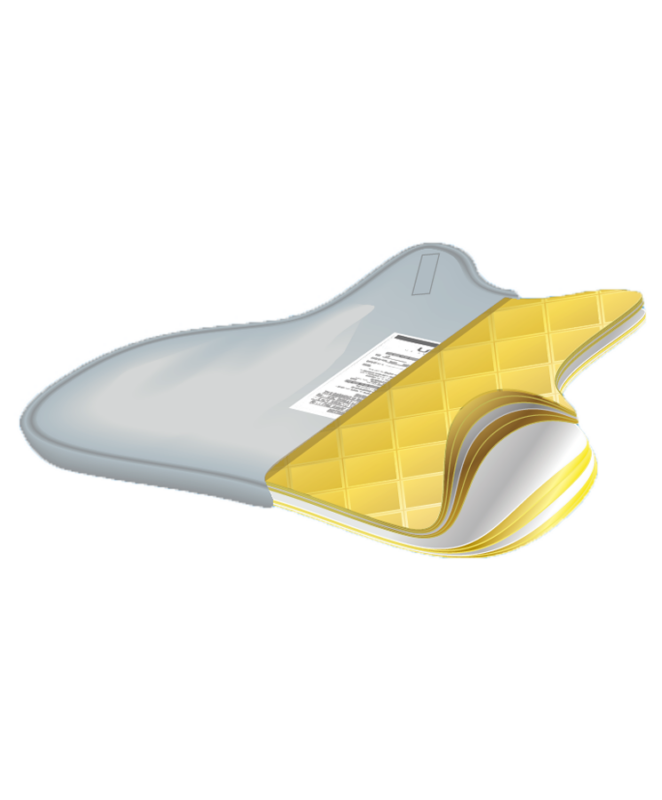
Enforcer 6000-M1 Series Model 6316M1 – NIJ 0101.06 – Level IIIA
The Enforcer 6000-M1 is an advanced technological design combining DSM Dyneema’s force multiplier technology, with Twaron and Kevlar woven ballistic materials. The end result is a lighter, more flexible vest that still satisfies the strict performance requirements of the NIJ 0101.06 Standard. With a focus on durability, the enforcer-6000-m1-series-model-6316m1-level-iiia offers enhanced resistance against impact and ballistic threats, ensuring maximum defense in high-risk situations. The Enforcer 6000 Series Model 6316M - Level IIIA is designed for superior protection and reliability, making it an essential piece of gear for law enforcement, military personnel, and security professionals. Built with high-quality materials and advanced engineering, it provides optimal safety without compromising comfort or mobility.
Whether you're in tactical operations, law enforcement missions, or personal defense scenarios, this product delivers the strength and protection you need. The enforcer-6000-m1-series-model-6316m1-level-iiia is lightweight yet rugged, ensuring prolonged wearability while maintaining peak performance. Engineered to meet the highest industry standards, it is the go-to choice for professionals who demand excellence in protective gear. Stay prepared and secure with the Enforcer 6000 Series Model 6316M - Level IIIA, your ultimate safeguard against evolving threats.
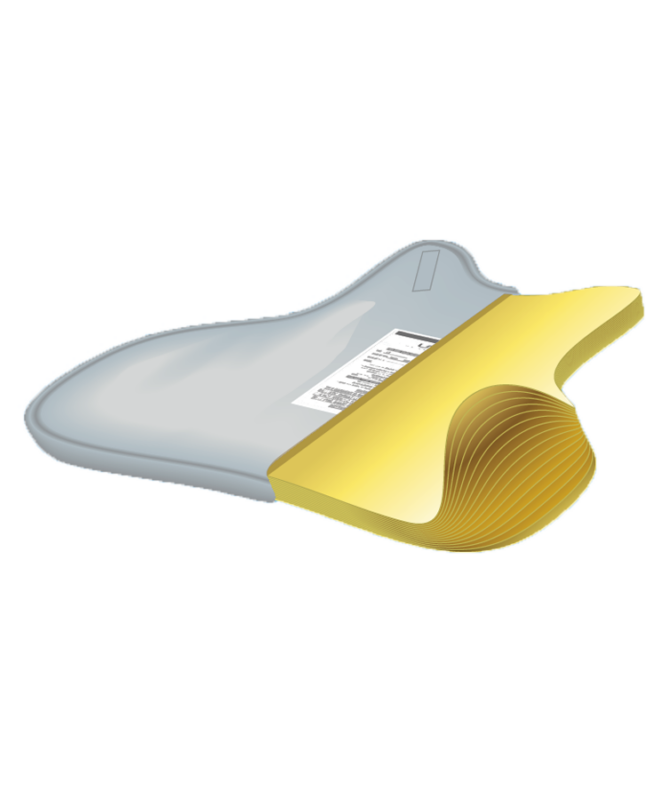
Enforcer XLT Model XLT2A – NIJ 0101.05 – Level IIA
Finally, you don’t have to sacrifice comfort for dependable protection with enhanced heat management. Comfort is the difference. Kevlar® Comfort XLT is a proven ballistic technology from DuPont. The state-of-the-art weave and spinning technique allow this version of Kevlar to be more comfortable, flexible and lighter yet still deliver the same ballistic performance and stopping power as previous, heavier blends of DuPont Kevlar.
Whether you're in tactical operations, law enforcement missions, or personal defense scenarios, this product delivers the strength and protection you need. The Enforcer-XLT-Model-XLT2A-Level-IIA-NIJ-05 is lightweight yet rugged, ensuring prolonged wearability while maintaining peak performance. Engineered to meet the highest industry standards, it is the go-to choice for professionals who demand excellence in protective gear. Stay prepared and secure with the Enforcer-XLT-Model-XLT2A-Level-IIA-NIJ-05, your ultimate safeguard against evolving threats.