
Urban Threat Protection Trends: Body Armor for Civilian & First Responder Safety


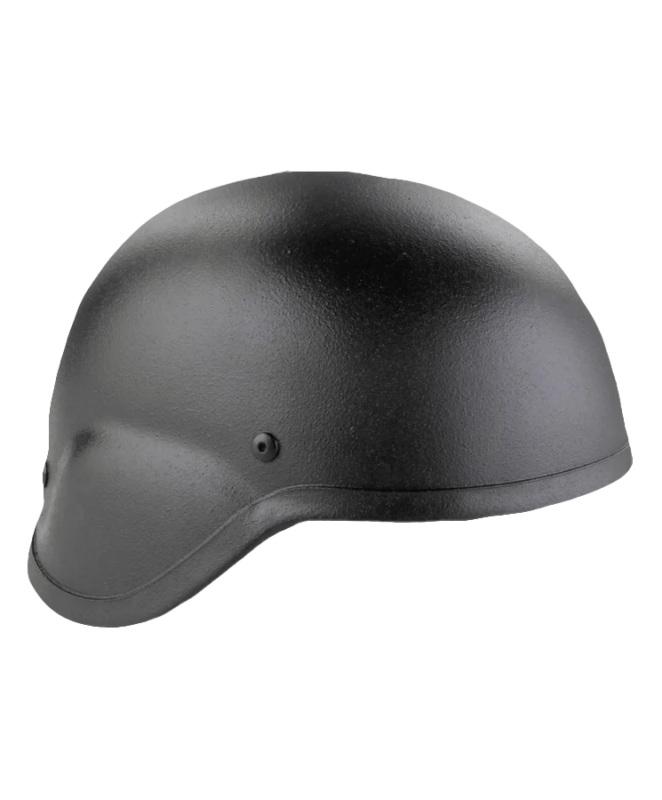
ACH/MICH Ballistic Helmet
The MICH (or ACH) Helmet was designed to replace the in service PASGT helmet. The MICH helmet features a reduced weight, higher cut at the back and sides and removal of the front peak. This new low profile provides excellent compatibility with communications equipment, gas masks and especially helmet mounted night vision goggles. The helmet is constructed from para-aramid material and provides lightweight, robust protection from ballistic and fragmentation projectiles and other low energy threats. The ACH-MICH-Ballistic-Helmet is designed for superior protection and reliability, making it an essential piece of gear for law enforcement, military personnel, and security professionals. Built with high-quality materials and advanced engineering, it provides optimal safety without compromising comfort or mobility.
With a focus on durability, the ACH-MICH-Ballistic-Helmet offers enhanced resistance against impact and ballistic threats, ensuring maximum defense in high-risk situations. Whether you're in tactical operations, law enforcement missions, or personal defense scenarios, this product delivers the strength and protection you need. The ach/mich-ballistic-helmet is lightweight yet rugged, ensuring prolonged wearability while maintaining peak performance.
Get a Quote
This product has multiple variants. The options may be chosen on the product page
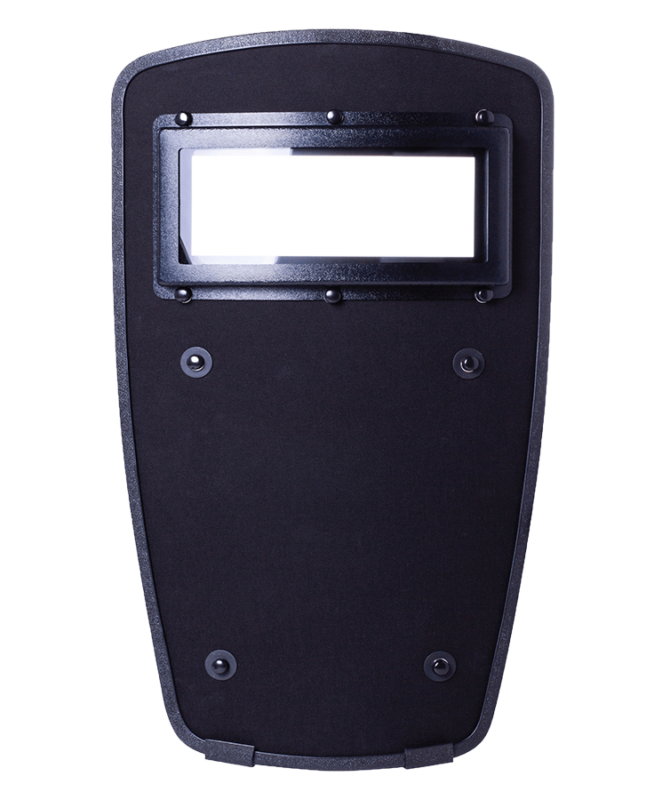
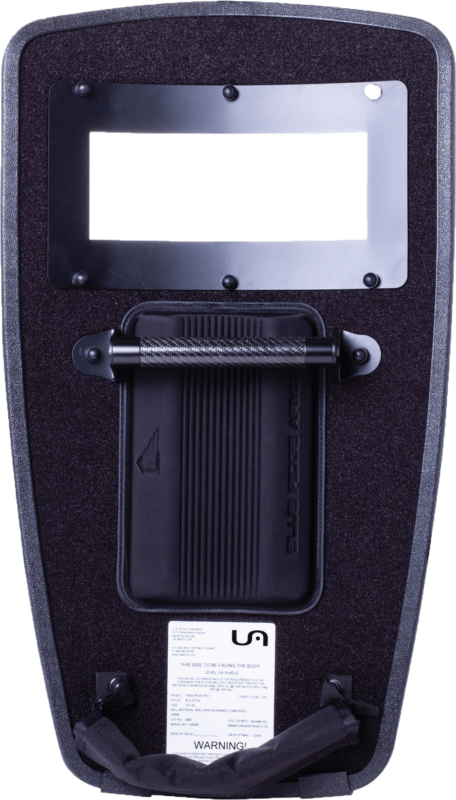
Equalizer Level IIIA Shield
Our Equalizer-Level-IIIA-Shield is designed to protect against handgun threats. They are available in 3 standard sizes to fit the needs of your Officers. The Equalizer Level IIIA Shield is designed for superior protection and reliability, making it an essential piece of gear for law enforcement, military personnel, and security professionals. Built with high-quality materials and advanced engineering, it provides optimal safety without compromising comfort or mobility.
With a focus on durability, the Equalizer-Level-IIIA-Shield offers enhanced resistance against impact and ballistic threats, ensuring maximum defense in high-risk situations. Whether you're in tactical operations, law enforcement missions, or personal defense scenarios, this product delivers the strength and protection you need. The Equalizer-Level-IIIA-Shield is lightweight yet rugged, ensuring prolonged wearability while maintaining peak performance. Engineered to meet the highest industry standards, it is the go-to choice for professionals who demand excellence in protective gear. Stay prepared and secure with the Equalizer Level IIIA Shield, your ultimate safeguard against evolving threats.


Lightweight Tactical Vest G2
The Lightweight Tactical G2 vest was designed as a budget friendly tactical vest that still provides a high level of ballistic protection and mobility. The Lightweight Tactical Vest G2 is designed for superior protection and reliability, making it an essential piece of gear for law enforcement, military personnel, and security professionals. Built with high-quality materials and advanced engineering, it provides optimal safety without compromising comfort or mobility. With a focus on durability, the lightweight-tactical-vest-g2 offers enhanced resistance against impact and ballistic threats, ensuring maximum defense in high-risk situations.
Whether you're in tactical operations, law enforcement missions, or personal defense scenarios, this product delivers the strength and protection you need. The lightweight-tactical-vest-g2 is lightweight yet rugged, ensuring prolonged wearability while maintaining peak performance. Engineered to meet the highest industry standards, it is the go-to choice for professionals who demand excellence in protective gear. Stay prepared and secure with the Lightweight Tactical Vest G2, your ultimate safeguard against evolving threats.
Get a Quote
This product has multiple variants. The options may be chosen on the product page
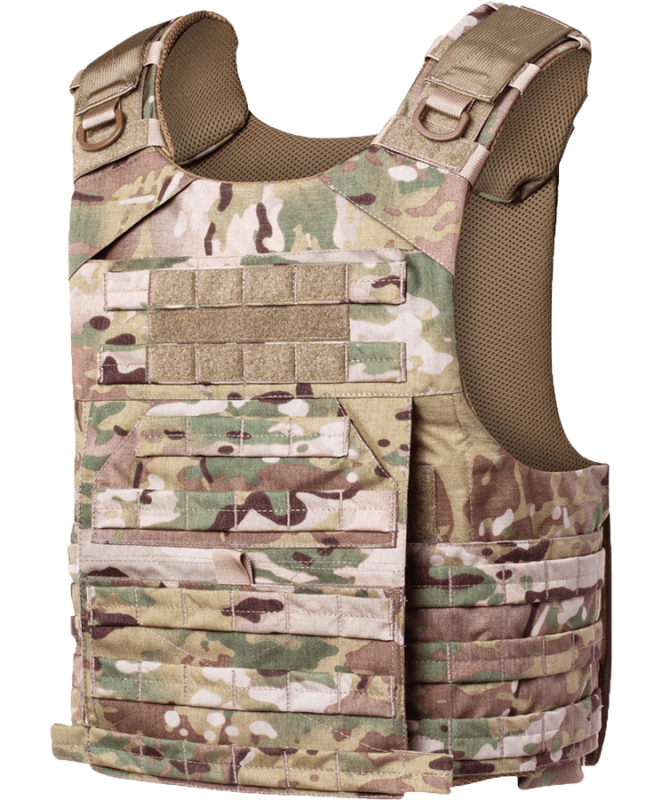
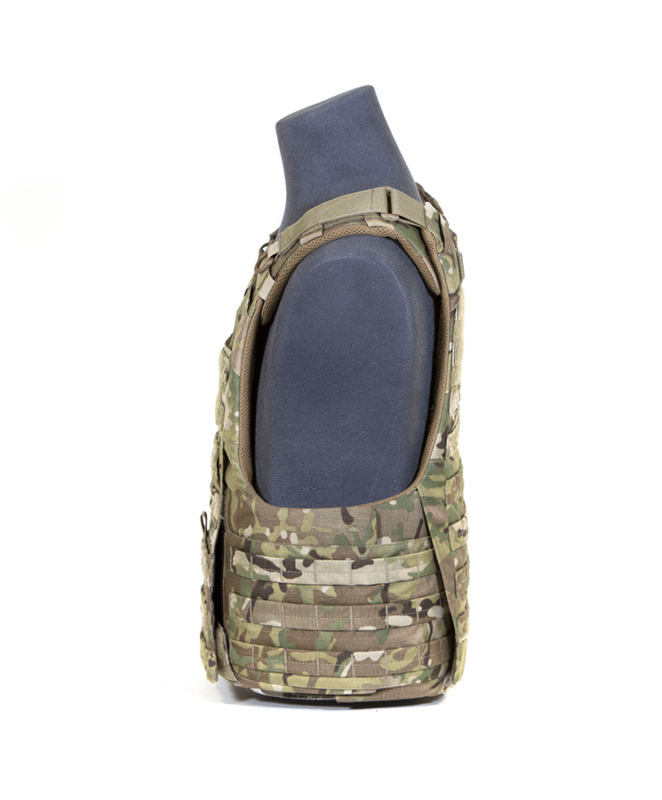
Rock 500 Tactical Vest
The Rock-500 tactical vest was created for special operation units in addition to SWAT personnel. The vest consists of front, rear, and side ballistic coverage. The integrated waist cummerbund system can be easily adjusted to various torsos for comfort and fit. The Rock 500 tactical vest is available with all U.S. Armor ballistic packages. The Rock 500 is designed for superior protection and reliability, making it an essential piece of gear for law enforcement, military personnel, and security professionals. Built with high-quality materials and advanced engineering, it provides optimal safety without compromising comfort or mobility.
With a focus on durability, the rock-500 tactical vest offers enhanced resistance against impact and ballistic threats, ensuring maximum defense in high-risk situations. Whether you're in tactical operations, law enforcement missions, or personal defense scenarios, this product delivers the strength and protection you need. The rock-500 is lightweight yet rugged, ensuring prolonged wearability while maintaining peak performance. Engineered to meet the highest industry standards, it is the go-to choice for professionals who demand excellence in protective gear. Stay prepared and secure with the Rock 500 tactical vest, your ultimate safeguard against evolving threats.
Get a Quote
This product has multiple variants. The options may be chosen on the product page
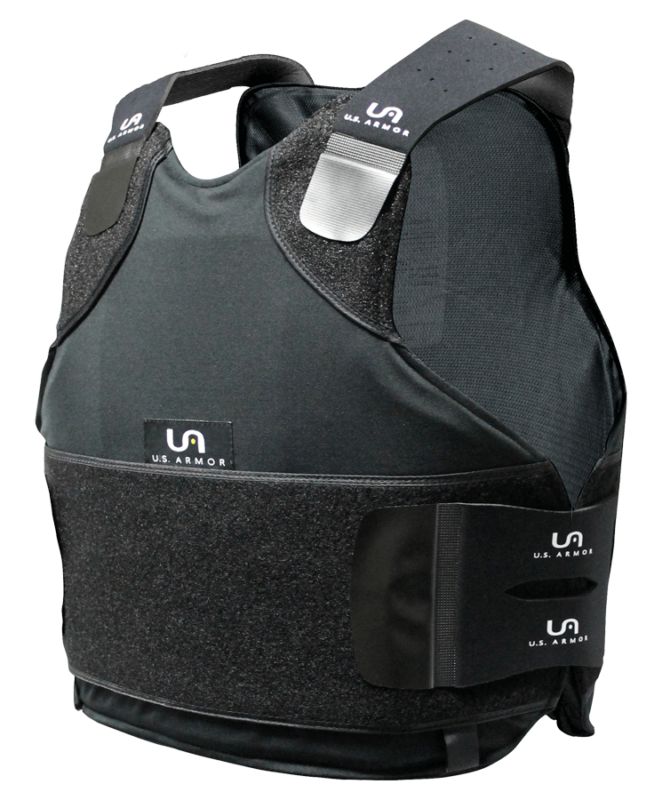
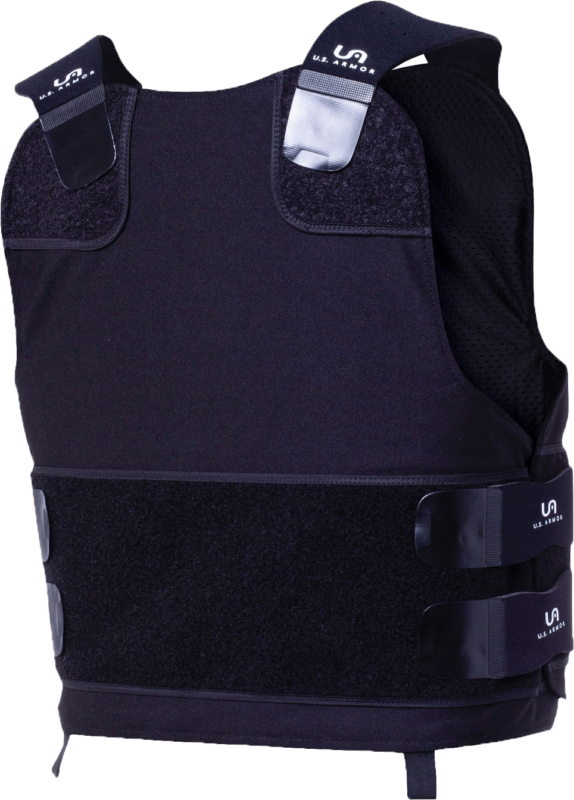
ACS Concealable Body Armor
The removable ACS machine washable carrier is constructed of anti-microbial, closed-hole mesh fabric with built in two-way stretch on the exterior half of the carrier and moisture wicking (Wikaway) mesh on body side to allow for air flow and evaporation. The carrier is removable from the ballistic panels for laundering. Comfort-Curve ventilated shoulder straps using Breath-O-Prene conform to the natural shoulder shape. The additional width and two-way stretch of the Comfort-Curve shoulder strap system allows for enhanced weight distribution and comfort. The Breath-O-Prene straps are removable; our QC Strap System allows for ease of replacement by an individual, in the event of wear or fatigue.
Whether you're in tactical operations, law enforcement missions, or personal defense scenarios, this product delivers the strength and protection you need. The ACS Concealable Body Armor is lightweight yet rugged, ensuring prolonged wearability while maintaining peak performance. Engineered to meet the highest industry standards, it is the go-to choice for professionals who demand excellence in protective gear. Stay prepared and secure with the ACS Concealable Body Armor, your ultimate safeguard against evolving threats.
Get a Quote
This product has multiple variants. The options may be chosen on the product page
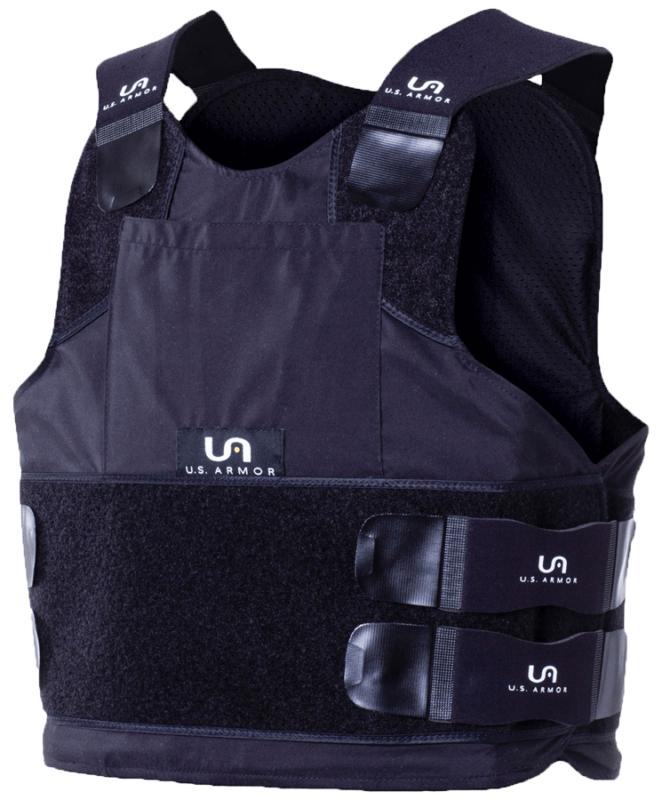
ACS-EXP Concealable Body Armor
The removable ACS-EXP machine washable carrier is constructed of anti-microbial, closed-hole mesh fabric with built in two way stretch on the exterior half of the carrier and moisture wicking (Wikaway) mesh on body side to allow for air flow and evaporation. The carrier is removable from the ballistic panels for laundering. Comfort-Curve ventilated shoulder straps using Breath-O-Prene conform to the natural shoulder shape. The additional width and two-way stretch of the Comfort-Curve shoulder strap system allows for enhanced weight distribution and comfort. The Breath-O-Prene straps are removable; our QC Strap System allows for ease of replacement by an individual, in the event of wear or fatigue.
Whether you're in tactical operations, law enforcement missions, or personal defense scenarios, this product delivers the strength and protection you need. The ACS-EXP Concealable Body Armor is lightweight yet rugged, ensuring prolonged wearability while maintaining peak performance. Engineered to meet the highest industry standards, it is the go-to choice for professionals who demand excellence in protective gear. Stay prepared and secure with the ACS-EXP Concealable Body Armor, your ultimate safeguard against evolving threats.
Get a Quote
This product has multiple variants. The options may be chosen on the product page
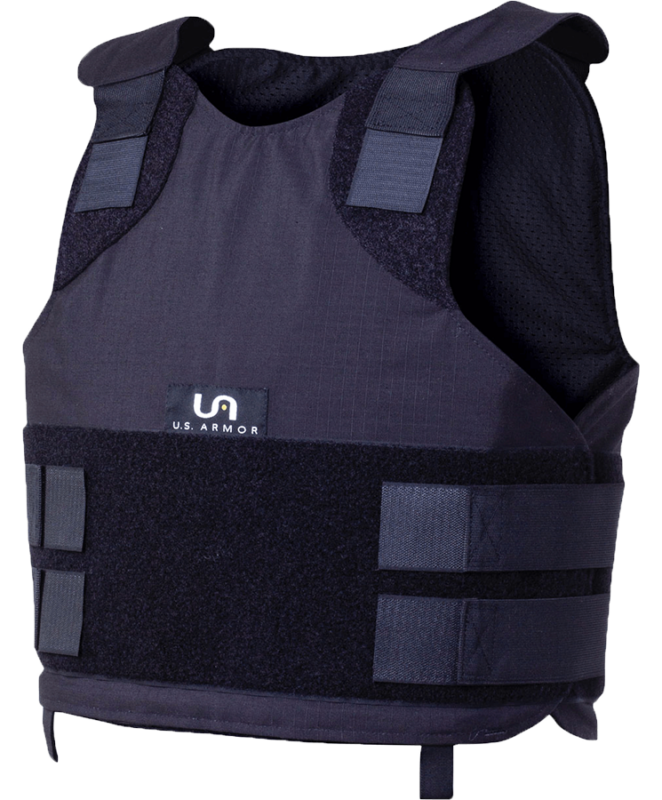
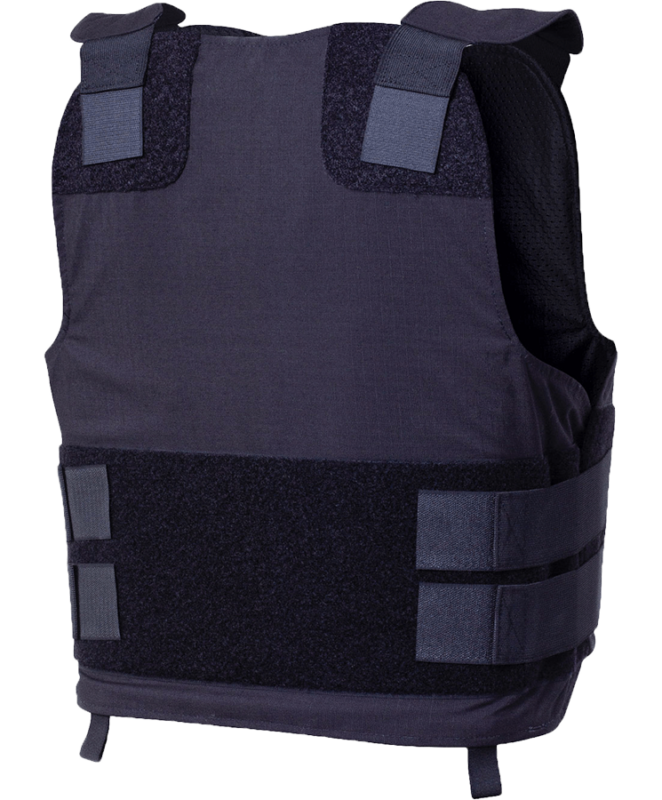
HVC Concealable Body Armor
The HVC concealable body armor is constructed of Poly/Cotton Ripstop. On the body side there is Wikaway moisture-wicking mesh to allow for air flow between the carrier and the wearer allowing more comfort to the wearer. The vest carrier is removable from the ballistic panels for laundering. Comfort-Curve ventilated shoulder straps using Breath-O-Prene conform to the natural shoulder shape. The additional width and two-way stretch of the Comfort-Curve shoulder strap system allows for enhanced weight distribution and comfort. The Breath-O-Prene straps are removable; our QC Strap System allows for ease of replacement by an individual, in the event of wear or fatigue.
Whether you're in tactical operations, law enforcement missions, or personal defense scenarios, this product delivers the strength and protection you need. The HVC Concealable Body Armor is lightweight yet rugged, ensuring prolonged wearability while maintaining peak performance. Engineered to meet the highest industry standards, it is the go-to choice for professionals who demand excellence in protective gear. Stay prepared and secure with the HVC Concealable Body Armor, your ultimate safeguard against evolving threats.
Get a Quote
This product has multiple variants. The options may be chosen on the product page
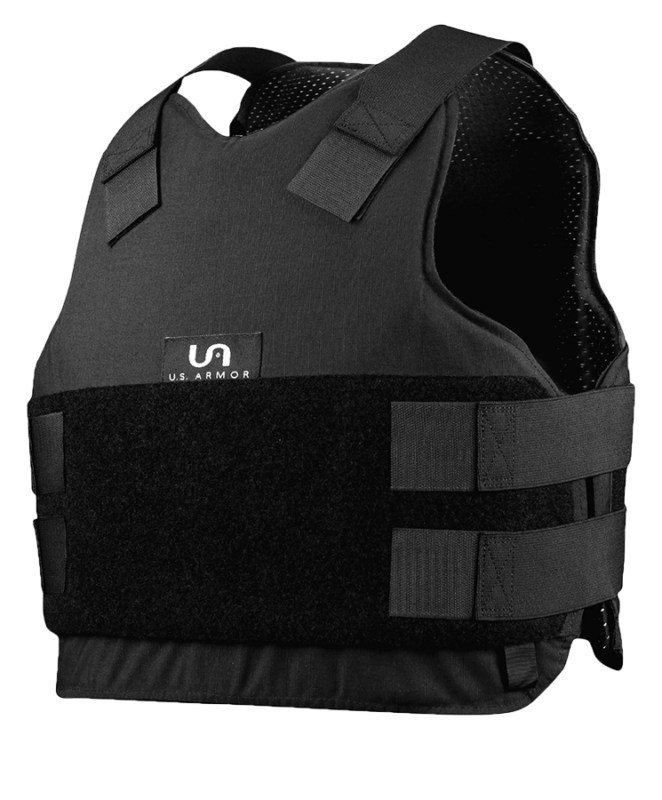
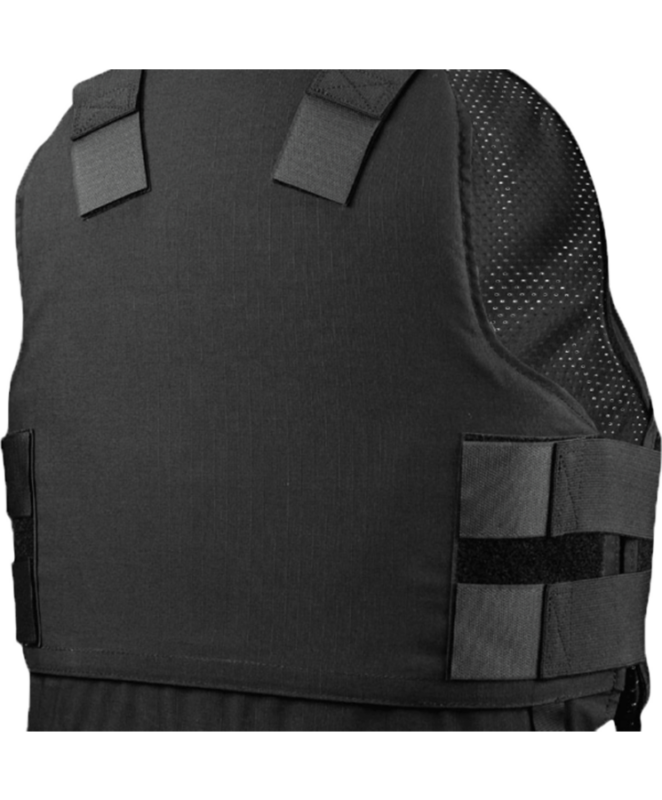
Poly Cotton Concealable Body Armor
The Poly Cotton Concealable Body Armor is constructed using Poly/Cotton outer material and “Wikaway” material on the body (wearer) side, which allows the moisture to dissipate between the wearer and the carrier. It is removable from the ballistic panels for laundering. Adjustable polyester 2” wide high quality elastic straps allow for maximum comfort. The elastic straps are removable and allows ease of replacement by an individual, in the event of wear or fatigue. Carriers come with 6 straps, 2 straps for the shoulders and 4 straps for the sides.
The Poly Cotton Concealable Body Armor is designed for superior protection and reliability, making it an essential piece of gear for law enforcement, military personnel, and security professionals. Built with high-quality materials and advanced engineering, it provides optimal safety without compromising comfort or mobility. With a focus on durability, the Poly Cotton Concealable Body Armor offers enhanced resistance against impact and ballistic threats, ensuring maximum defense in high-risk situations.
Get a Quote
This product has multiple variants. The options may be chosen on the product page
ACS Concealable Body Armor
The removable ACS machine washable carrier is constructed of anti-microbial, closed-hole mesh fabric with built in two-way stretch on the exterior half of the carrier and moisture wicking (Wikaway) mesh on body side to allow for air flow and evaporation. The carrier is removable from the ballistic panels for laundering. Comfort-Curve ventilated shoulder straps using Breath-O-Prene conform to the natural shoulder shape. The additional width and two-way stretch of the Comfort-Curve shoulder strap system allows for enhanced weight distribution and comfort. The Breath-O-Prene straps are removable; our QC Strap System allows for ease of replacement by an individual, in the event of wear or fatigue.
Whether you're in tactical operations, law enforcement missions, or personal defense scenarios, this product delivers the strength and protection you need. The ACS Concealable Body Armor is lightweight yet rugged, ensuring prolonged wearability while maintaining peak performance. Engineered to meet the highest industry standards, it is the go-to choice for professionals who demand excellence in protective gear. Stay prepared and secure with the ACS Concealable Body Armor, your ultimate safeguard against evolving threats.
Get a Quote
This product has multiple variants. The options may be chosen on the product page
ACS-EXP Concealable Body Armor
The removable ACS-EXP machine washable carrier is constructed of anti-microbial, closed-hole mesh fabric with built in two way stretch on the exterior half of the carrier and moisture wicking (Wikaway) mesh on body side to allow for air flow and evaporation. The carrier is removable from the ballistic panels for laundering. Comfort-Curve ventilated shoulder straps using Breath-O-Prene conform to the natural shoulder shape. The additional width and two-way stretch of the Comfort-Curve shoulder strap system allows for enhanced weight distribution and comfort. The Breath-O-Prene straps are removable; our QC Strap System allows for ease of replacement by an individual, in the event of wear or fatigue.
Whether you're in tactical operations, law enforcement missions, or personal defense scenarios, this product delivers the strength and protection you need. The ACS-EXP Concealable Body Armor is lightweight yet rugged, ensuring prolonged wearability while maintaining peak performance. Engineered to meet the highest industry standards, it is the go-to choice for professionals who demand excellence in protective gear. Stay prepared and secure with the ACS-EXP Concealable Body Armor, your ultimate safeguard against evolving threats.
Get a Quote
This product has multiple variants. The options may be chosen on the product page
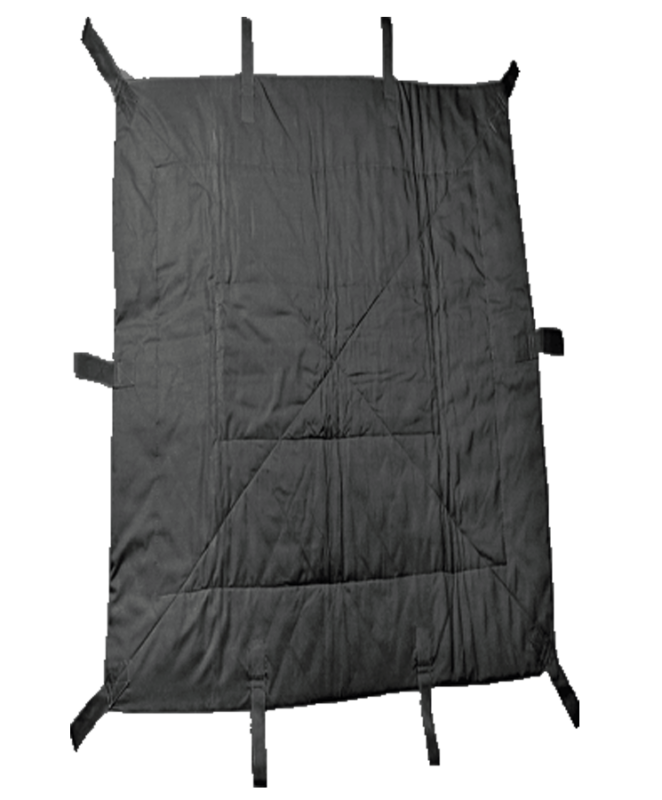
Ballistic Blankets
One of the most flexible tools an operator can have at their disposal. This blanket can be used to evacuate civilians from a dangerous “active shooter” scenario, to protect and cover a fallen officer while back-up arrives or used to armor any area where the operator needs additional protection; the only limitation is the operator’s imagination/situation. Our ballistic-blankets can also be used in industrial applications where protection is needed from possible machinery failure.
Whether you're in tactical operations, law enforcement missions, or personal defense scenarios, this product delivers the strength and protection you need. The ballistic-blankets is lightweight yet rugged, ensuring prolonged wearability while maintaining peak performance. Engineered to meet the highest industry standards, it is the go-to choice for professionals who demand excellence in protective gear. Stay prepared and secure with the Ballistic Blankets, your ultimate safeguard against evolving threats.

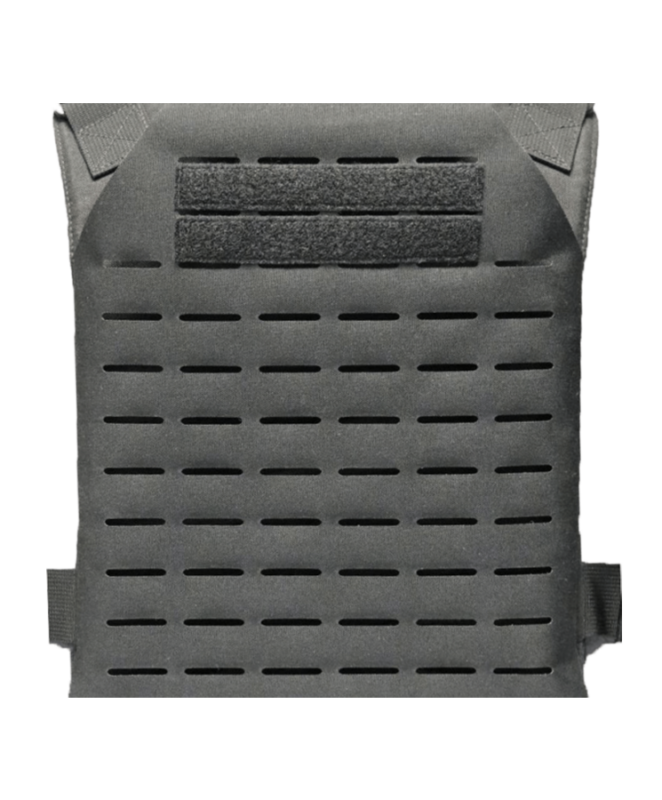
LPC – Lightweight Plate Carrier
The smallest and lightest Rifle Plate Carrier in the U.S. Armor tactical line. The LPC is designed as a throw-over Rifle Plate carrier, which is worn in conjunction with an officer’s concealable soft body armor for instant deployment in a first responder situation. The RPC is worn over the top of an officer’s concealable body armor to provide a higher level of threat protection in the event of an active shooter situation or in rapid response to high threat environments. The LPC-Lightweight-Plate-Carrier is designed for superior protection and reliability, making it an essential piece of gear for law enforcement, military personnel, and security professionals. Built with high-quality materials and advanced engineering, it provides optimal safety without compromising comfort or mobility.
With a focus on durability, the LPC-Lightweight-Plate-Carrier offers enhanced resistance against impact and ballistic threats, ensuring maximum defense in high-risk situations. Whether you're in tactical operations, law enforcement missions, or personal defense scenarios, this product delivers the strength and protection you need. The LPC-Lightweight-Plate-Carrier is lightweight yet rugged, ensuring prolonged wearability while maintaining peak performance. Engineered to meet the highest industry standards, it is the go-to choice for professionals who demand excellence in protective gear. Stay prepared and secure with the LPC - Lightweight Plate Carrier, your ultimate safeguard against evolving threats.
Get a Quote
This product has multiple variants. The options may be chosen on the product page