Body Armor for Security Guards: Private Security Protection Guide (2026 Edition)
Security guards play a vital role in protecting people, property, and assets across diverse environments — from large public events and retail venues to executive protection and armored transport operations. In today’s increasingly complex threat landscape, security personnel face risks ranging from armed assailants and aggressive crowds to opportunistic theft and workplace violence. In 2026, selecting the right body armor for security guards isn’t just a best practice — it’s a critical component of operational safety, legal compliance, and professional accountability.
This comprehensive guide will walk you through why security teams need armor, the different types of body armor available, how to match protection to specific security roles, and best practices for sizing, comfort, and ongoing maintenance. By understanding the latest options — including soft, hard, and multi-threat vests — and learning how to implement a compliant armor program, security professionals can ensure their teams are prepared, protected, and confident while on duty.
Why Security Guards Need Body Armor
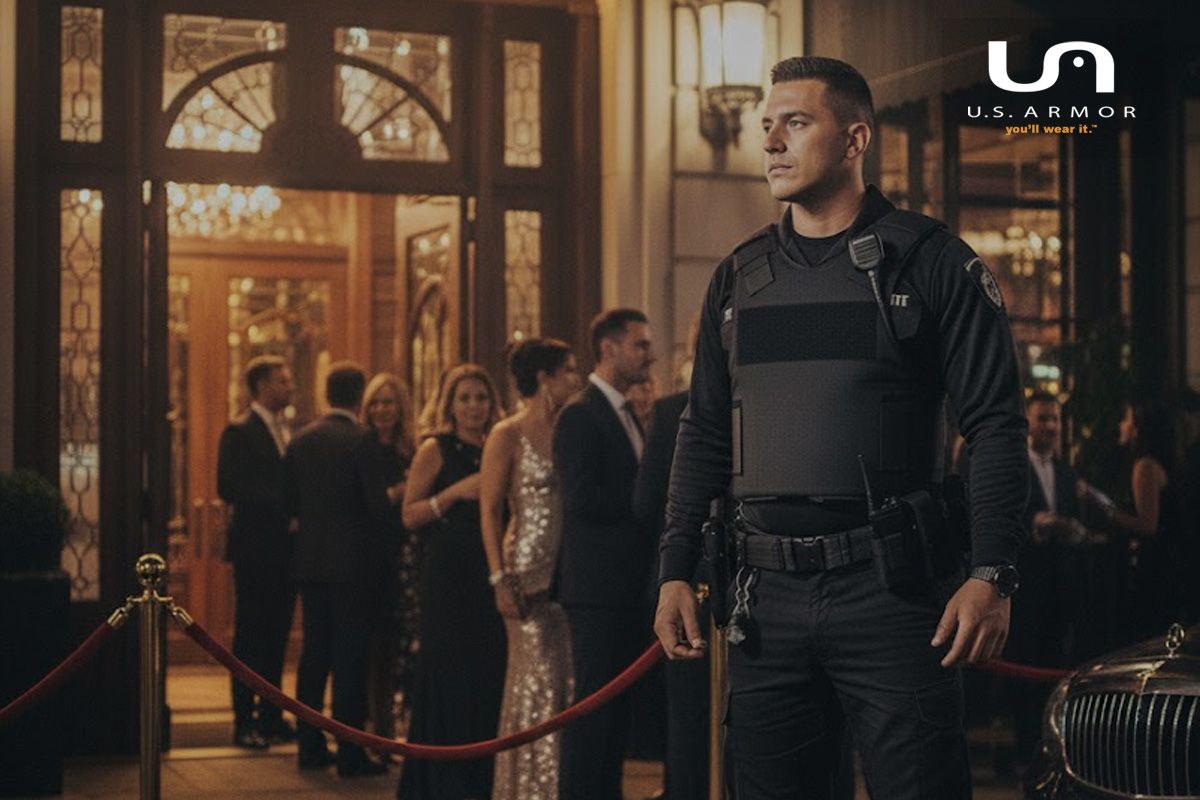
Security guards are often the first line of defense in situations where threats can escalate quickly, ranging from violent confrontations to active shooter events or opportunistic crimes. Unlike law enforcement, many private security roles operate without backup, making personal protection a top priority.
The right security body armor not only safeguards guards from bullets, stabs, and blunt-force attacks but also enhances confidence, situational awareness, and professional credibility on the job.
Growing Risks in Private Security
Security guards increasingly encounter situations with real physical risk. Whether managing crowds at festivals, protecting executives in public spaces, or safeguarding sensitive facilities, guards may face weapon threats that range from handguns to edged blades. Armor designed specifically for private security enhances officer safety and allows teams to operate effectively under pressure.
Types of Security Roles (Event, Executive, Armored Transport, Retail)
Different security assignments come with different risk profiles:
- Event security teams may deal with unpredictable crowds and aggressive behavior.
- Executive protection personnel often need discreet yet effective armor to maintain a professional appearance.
- Armored transport guards require robust ballistic protection for potential firearm engagements.
- Retail or loss prevention officers confront close-quarters threats, including knives and improvised weapons.
Understanding the threat profile of your specific role is the first step in selecting the right gear.
Security teams outfitted with properly fitted, certified body armor are better prepared to manage physical threats across a variety of assignments—from large public events to executive protection and retail loss prevention. Industry trends show that organizations adopting formal armor programs for their guards not only reduce incident-related injuries but also enhance client confidence and team professionalism. As the private security landscape evolves, requiring body armor for frontline personnel is rapidly becoming the standard for risk mitigation and duty of care.
Legal Requirements and Restrictions by State
In most U.S. states, security guards can legally wear body armor, but some jurisdictions have specific restrictions based on licensing, armed vs. unarmed status, and previous convictions. Always consult local laws and employer policies before procuring or wearing armor on duty.
Types of Body Armor for Security Guards
Not all body armor is created equal, and the type of protection a security guard needs depends on their role, environment, and threat exposure. From concealable vests for executive protection to overt carriers for event or armed transport security, understanding the options available is critical for both safety and operational effectiveness.
Security body armor generally falls into three categories: soft armor, which offers lightweight, flexible protection against handgun rounds; hard armor, which adds rifle-level ballistic defense; and multi-threat vests, which combine ballistic, stab, and spike protection for environments where multiple threat types exist. Each type has trade-offs in terms of weight, comfort, mobility, and visibility — factors that directly impact compliance, wearability, and overall team effectiveness.
Concealable vs. Overt Vests
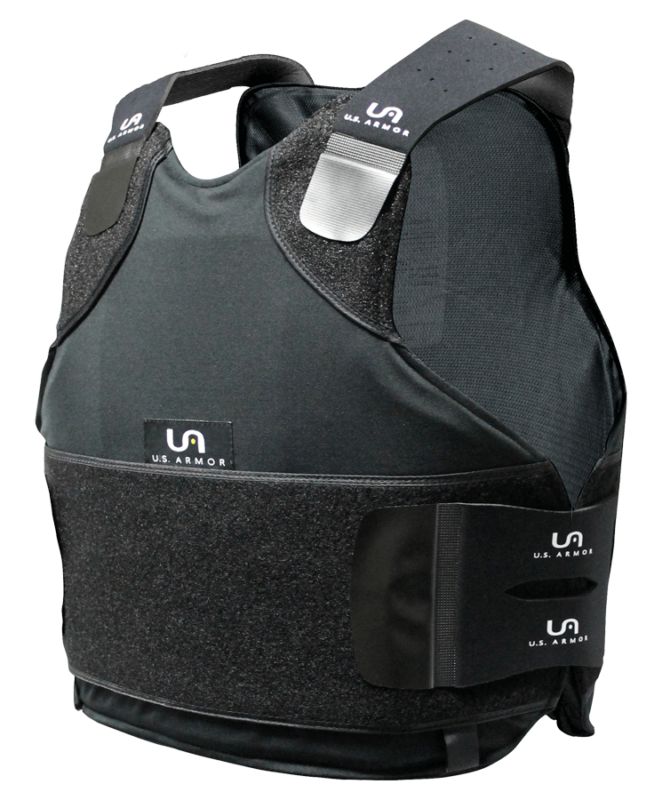
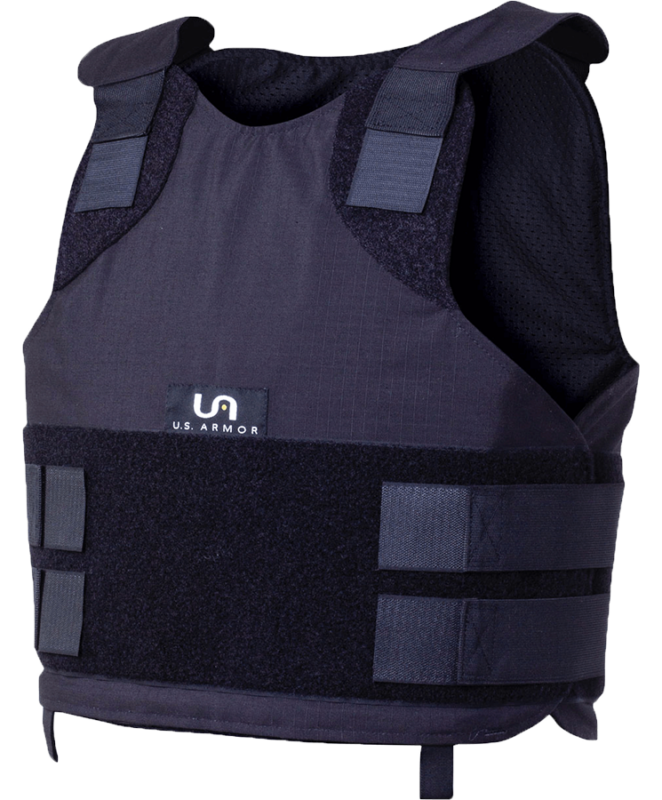
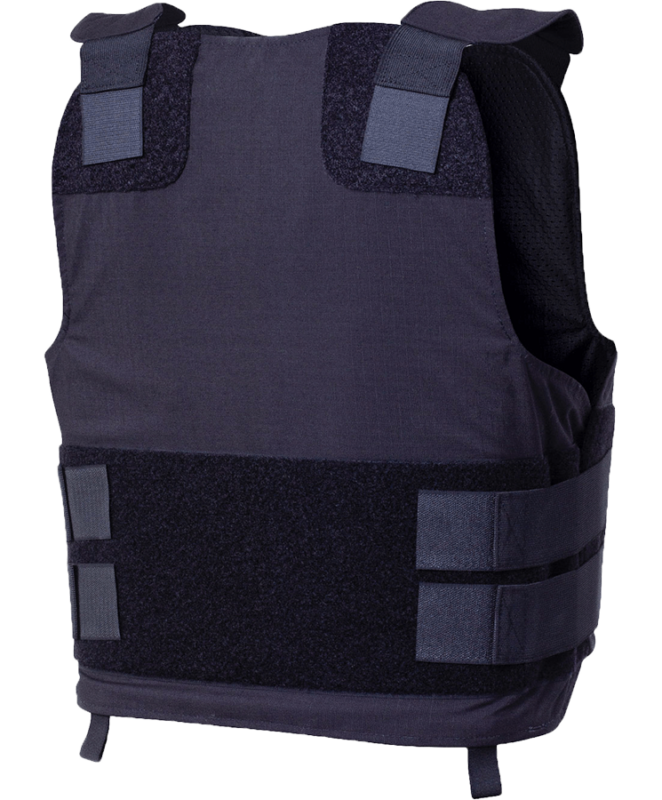
Concealable vests are ideal when discretion and professional presentation are priorities—such as executive protection or uniformed guards in client-facing roles. U.S. Armor’s ACS Concealable Body Armor is a key example of this category. It features a removable carrier with breathable mesh and ventilated shoulder straps for comfort during long shifts, and is designed to accommodate ballistic panels while remaining low-profile under clothing.
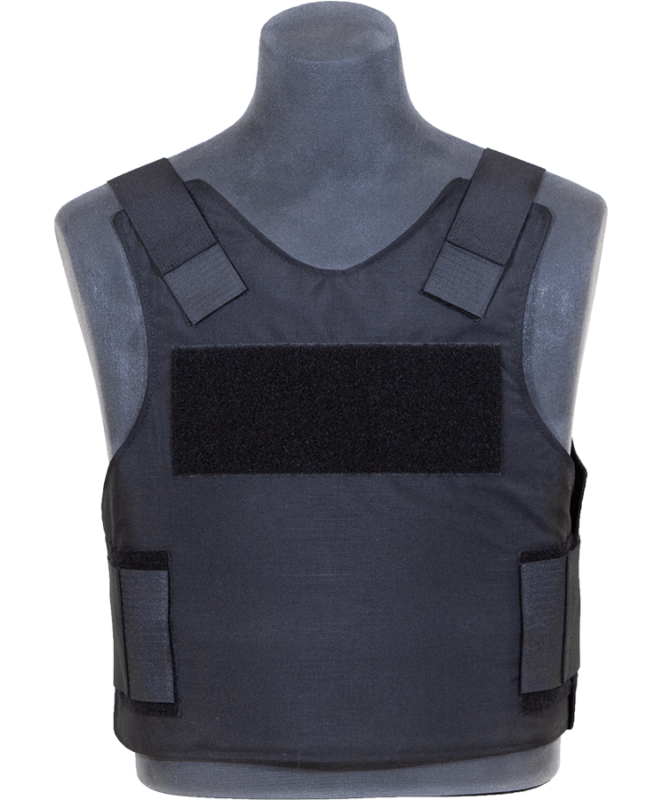
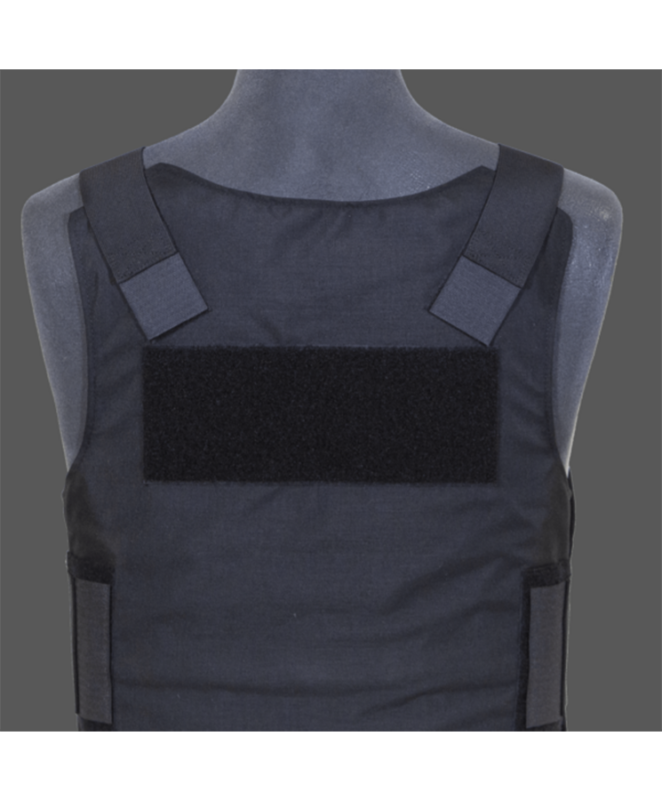
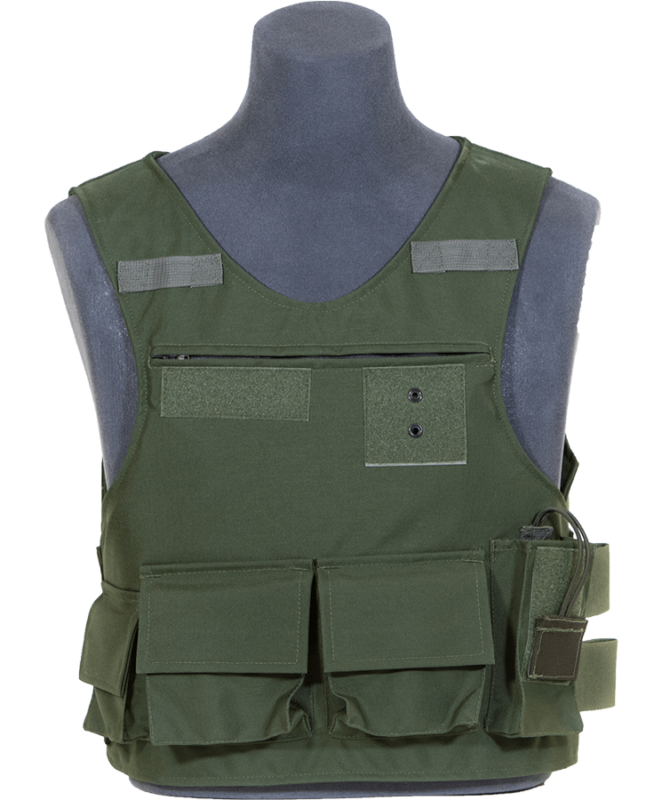
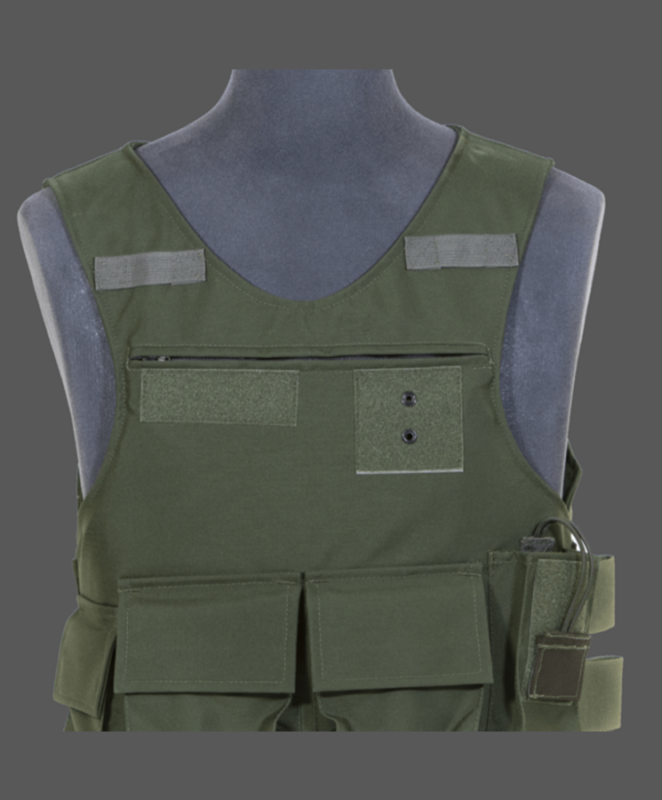
For circumstances where visible identification is beneficial — such as for event security or posted guards — an overt carrier like the Secure 100 Outer Vest Carrier allows guards to display ID patches and provides quick access to ballistic panels.
Soft Armor vs. Hard Armor: What’s Appropriate?
Most security guard roles are best served by soft armor, typically rated at NIJ Level II or IIIA, which protects against common handgun threats while allowing mobility and comfort. Soft armor is lighter and better for daily wear than heavy plate armor, which is generally reserved for higher-risk tactical assignments.
Products like the ACS Concealable Body Armor support soft armor panels and can be complemented with trauma plates or configuration upgrades depending on your team’s needs.
For a detailed comparison of soft and hard armor, see our Soft vs Hard Armor Guide to determine which type best fits your team’s assignments and risk profile.
Multi-Threat and Specialty Vests
Although more common in corrections and law enforcement, some security environments benefit from multi-threat body armor that combines handgun ballistic protection with resistance to other hazards (e.g., spikes or blunt force). In many cases, this is achieved through custom configurations using carriers that accept modular panels.
U.S. Armor’s line of multi-threat carriers accepts a range of proprietary panels and can be tailored based on threat expectations.
Sizing, Comfort, and Appearance Considerations
Security guards often wear armor through long, physically demanding shifts. Consider carriers with:
- Adjustability for different body types
- Breathable materials to reduce heat fatigue
- Professional styling that maintains client confidence
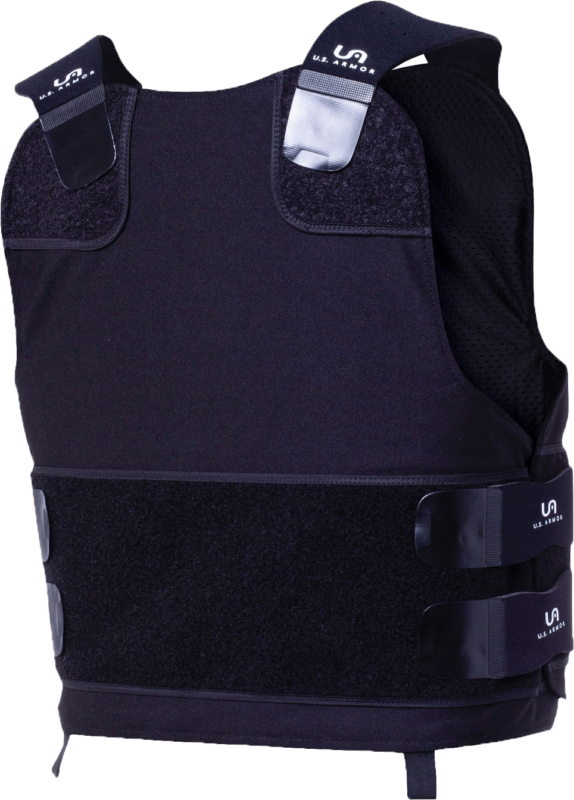
The HVC Concealable Body Armor from U.S. Armor is another soft armor carrier variant that emphasizes comfort and airflow, making it suitable for daily security duties where extended wear is expected.
ACS Concealable Body Armor
HVC Concealable Body Armor
Secure 100
Choosing the Right Armor for Your Security Role
Selecting the right body armor for security guards is a critical decision that balances protection, comfort, and professionalism. Security roles vary widely — from retail and event security to executive protection and armored transport — and each presents unique risks. Understanding your team’s specific duties, the potential threats they may face, and the operational environment is essential for choosing gear that guards personnel without compromising mobility or appearance.
Assessing Threats (Venue, Client, Assignment)
Start by evaluating the assignment:
- Low-risk environments (concierge, static posts) may require only soft armor.
- Medium-risk settings (crowd control, event security) benefit from overt carriers with Level IIIA protection.
- High-risk assignments (armed transport or hostile environments) may demand tactical carriers that accept upgraded protection.
Matching threat assessment to the right security guard armor helps balance safety with practicality.
Balancing Protection, Mobility, and Professionalism
Security teams must balance:
- Protection level
- Mobility and comfort
- Professional appearance
For example, an ACS Concealable Body Armor vest worn under a uniform jacket offers protection without interrupting appearance, while a Secure 100 Outer Vest Carrier offers command presence at public events or visible posts.
How to Get Properly Fitted
Armor that doesn’t fit correctly won’t protect effectively. Work with experienced vendors or authorized dealers to:
- Measure torso dimensions accurately
- Ensure panels and carriers align with your body shape
- Try sample fits before ordering
This process improves both safety and comfort.
Product Recommendations for Different Environments
Everyday Concealable Protection
- ACS Concealable Body Armor – A versatile, breathable carrier designed to accommodate soft ballistic panels while remaining discreet under clothing.
- HVC Concealable Body Armor – Another soft armor carrier with moisture‑wicking mesh and enhanced comfort features for daily duties.
Overt & Tactical Readiness
- Secure 100 Outer Vest Carrier – An overt carrier that accepts U.S. Armor’s ballistic panels and allows visible ID patches—great for event security or uniformed posts.
- Ranger 200 G3 Tactical Outer Vest Carrier – A rugged carrier that transforms concealable armor into a high‑visibility tactical solution with MOLLE attachment points and external panel pockets for added modularity.
Ranger 200 G3
$0.00The U.S. Armor Ranger tactical outer vest carrier turns concealable body armor into high visibility ballistic protection for detectives, plainclothes officers and first responders. The Ranger tactical outer vest carrier is the most universal piece of equipment a department can own in this post-9/11 environment. Front and rear compartments on the Ranger can be easily accessed to add your existing U.S. Armor ballistic panels of Level II & IIIA, turning the outer vest carrier into a high visibility tactical vest using front & rear ID panels.
Whether you’re in tactical operations, law enforcement missions, or personal defense scenarios, this product delivers the strength and protection you need. The ranger-200-g3 is lightweight yet rugged, ensuring prolonged wearability while maintaining peak performance. Engineered to meet the highest industry standards, it is the go-to choice for professionals who demand excellence in protective gear. Stay prepared and secure with the Ranger-200-G3, your ultimate safeguard against evolving threats.
Maintenance, Replacement, and Compliance for Security Teams
Owning high-quality security body armor is only part of the safety equation. Proper maintenance, timely replacement, and adherence to compliance standards are equally critical to ensure armor performs as intended when it matters most. Security guards often work long shifts, handle equipment frequently, and operate in environments where sweat, dirt, and wear can compromise vest integrity over time.
Inspection and Care in High‑Turnover Environments
Security teams often have rotating shifts and higher equipment usage. Regular inspections of carriers and panels — checking for wear, compromised stitching, or degradation — help ensure armor remains effective. Always store armor in a clean, climate‑controlled environment and follow the manufacturer’s recommended care instructions.
Replacement Schedules and Warranty
Ballistic panels and carriers typically have manufacturer‑specified service lives (often around five years for soft armor). Replace panels immediately if they’ve absorbed a ballistic impact, show visible damage, or exceed their rated life. Keeping documentation organized supports compliance and audit requirements.
Training and Policy Best Practices
Written policies help teams use armor effectively. Ensure your organization’s standards address:
- Wear requirements by assignment
- Inspection routines
- Incident reporting procedures
Training guards to recognize fit issues or damage supports both safety and compliance.
For a full breakdown of best practices, see our Body Armor Maintenance Guide for tips on inspection schedules, cleaning, and proper storage. Following these guidelines helps maximize the lifespan of armor and ensures consistent protection.
Frequently Asked Questions (2026)
Can security guards legally wear body armor?
Yes — in most U.S. states, body armor for security guards is legally worn, though certain jurisdictions may impose restrictions, such as prohibiting possession during criminal activity or in specific government buildings. Always confirm local and state regulations before issuing armor to your team to ensure compliance.
What’s the best vest for event security?
For event security, a lightweight NIJ Level IIIA soft armor vest provides a balance of protection, mobility, and comfort. These vests can be worn in either visible or concealable carriers, allowing guards to maintain professional appearance while staying protected during concerts, festivals, or large public gatherings.
Do security guards need hard or soft armor?
Most private security roles are effectively served by soft armor (NIJ Level II or IIIA). Soft panels protect against handgun threats while remaining lightweight for long shifts. Hard armor plates, rated Level III or IV, are typically reserved for high-risk assignments where rifle-level threats exist, such as armored transport, executive protection in hostile environments, or specialized tactical security operations.
How should security vests be cleaned?
Always remove ballistic panels before cleaning carriers. Follow manufacturer care instructions to maintain the integrity of both soft and hard armor. Proper care extends the service life of your security body armor and ensures continued compliance with NIJ standards. Avoid machine washing or submerging ballistic panels.
How do I get the right size for my team?
Proper fit is crucial for protection and mobility. Consult authorized vendors like U.S. Armor to measure torso dimensions and select carriers and panels that accommodate each guard. Adjustable shoulder and waist systems help ensure a secure, comfortable fit for all body types.
Are there discounts for bulk orders?
Yes — many vendors, including U.S. Armor, offer corporate pricing, volume discounts, and support for outfitting entire security teams. Working with an experienced supplier helps agencies purchase the right security guard armor efficiently while managing budgets.
Equip Your Security Team with U.S. Armor
Protecting your security personnel starts with mission-appropriate body armor. U.S. Armor offers a range of NIJ-certified armor carriers and panels designed specifically for private security — from discreet concealable carriers to overt tactical platforms that allow modular gear attachment and clear identification.
Contact U.S. Armor for tailored quotes, department or corporate pricing, and guidance on selecting armor that fits your team’s protective needs and operational environment. With certified, properly fitted security body armor, your guards can perform their duties with confidence, professionalism, and peace of mind.