
The Complete Guide to Police Plate Carriers: Expert Insights for Law Enforcement

Ready to explore professional-grade protection?
Enforcer 3000 Series Model 3316 – NIJ 0101.06 – Level IIIA
The Enforcer 3000 is a budget friendly design combining Honeywell’s proven Gold Shield, Honeywell’s Spectra shield, and woven Twaron fiber by SAATI. The end result is a lighter, more flexible vest at a budget friendly price. The Enforcer 3000 Series Model 3316 - Level IIIA is designed for superior protection and reliability, making it an essential piece of gear for law enforcement, military personnel, and security professionals. Built with high-quality materials and advanced engineering, it provides optimal safety without compromising comfort or mobility. With a focus on durability, the Enforcer-3000-Series-Model-3316-Level-IIIA offers enhanced resistance against impact and ballistic threats, ensuring maximum defense in high-risk situations.
Whether you're in tactical operations, law enforcement missions, or personal defense scenarios, this product delivers the strength and protection you need. The Enforcer-3000-Series-Model-3316-Level-IIIA is lightweight yet rugged, ensuring prolonged wearability while maintaining peak performance. Engineered to meet the highest industry standards, it is the go-to choice for professionals who demand excellence in protective gear. Stay prepared and secure with the Enforcer 3000 Series Model 3316 - Level IIIA, your ultimate safeguard against evolving threats.
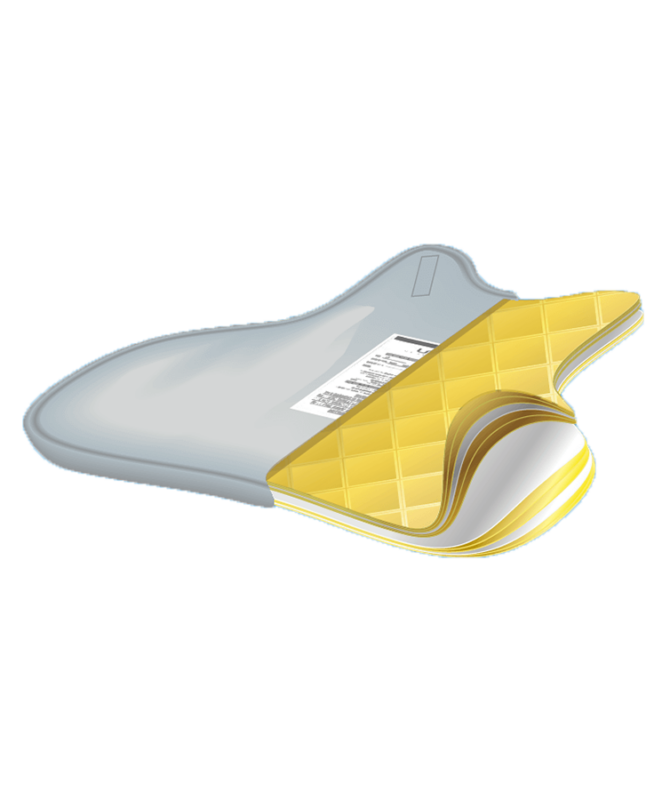
Enforcer 6000 Series Model 6316M – NIJ 0101.06 – Level IIIA
The Enforcer 6000 is an advanced technological design combining Honeywell’s proven advanced Spectra Shield® II, and Dupont Kevlar woven by SAATI. The end result is a lighter, more flexible vest that exceeds the strict performance requirements of the NIJ 0101.06 Standard. The Enforcer 6000 Series Model 6316M - Level IIIA is designed for superior protection and reliability, making it an essential piece of gear for law enforcement, military personnel, and security professionals. Built with high-quality materials and advanced engineering, it provides optimal safety without compromising comfort or mobility. With a focus on durability, the enforcer-6000-series-model-6316m-level-iiia offers enhanced resistance against impact and ballistic threats, ensuring maximum defense in high-risk situations.
Whether you're in tactical operations, law enforcement missions, or personal defense scenarios, this product delivers the strength and protection you need. The Enforcer-6000-Series-Model-6316M-Level-IIIA is lightweight yet rugged, ensuring prolonged wearability while maintaining peak performance. Engineered to meet the highest industry standards, it is the go-to choice for professionals who demand excellence in protective gear. Stay prepared and secure with the Enforcer-6000-Series-Model-6316M-Level-IIIA, your ultimate safeguard against evolving threats.
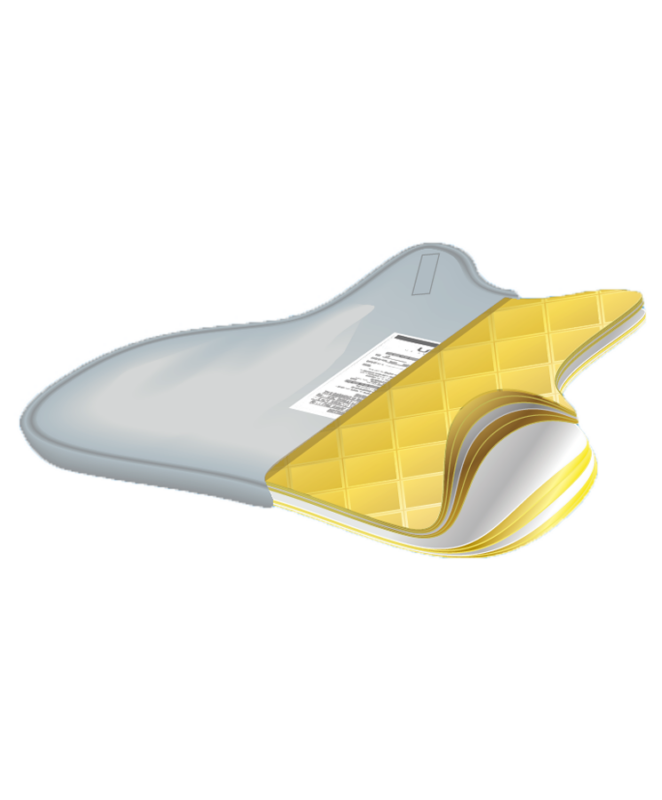
Enforcer 6000-M1 Series Model 6316M1 – NIJ 0101.06 – Level IIIA
The Enforcer 6000-M1 is an advanced technological design combining DSM Dyneema’s force multiplier technology, with Twaron and Kevlar woven ballistic materials. The end result is a lighter, more flexible vest that still satisfies the strict performance requirements of the NIJ 0101.06 Standard. With a focus on durability, the enforcer-6000-m1-series-model-6316m1-level-iiia offers enhanced resistance against impact and ballistic threats, ensuring maximum defense in high-risk situations. The Enforcer 6000 Series Model 6316M - Level IIIA is designed for superior protection and reliability, making it an essential piece of gear for law enforcement, military personnel, and security professionals. Built with high-quality materials and advanced engineering, it provides optimal safety without compromising comfort or mobility.
Whether you're in tactical operations, law enforcement missions, or personal defense scenarios, this product delivers the strength and protection you need. The enforcer-6000-m1-series-model-6316m1-level-iiia is lightweight yet rugged, ensuring prolonged wearability while maintaining peak performance. Engineered to meet the highest industry standards, it is the go-to choice for professionals who demand excellence in protective gear. Stay prepared and secure with the Enforcer 6000 Series Model 6316M - Level IIIA, your ultimate safeguard against evolving threats.
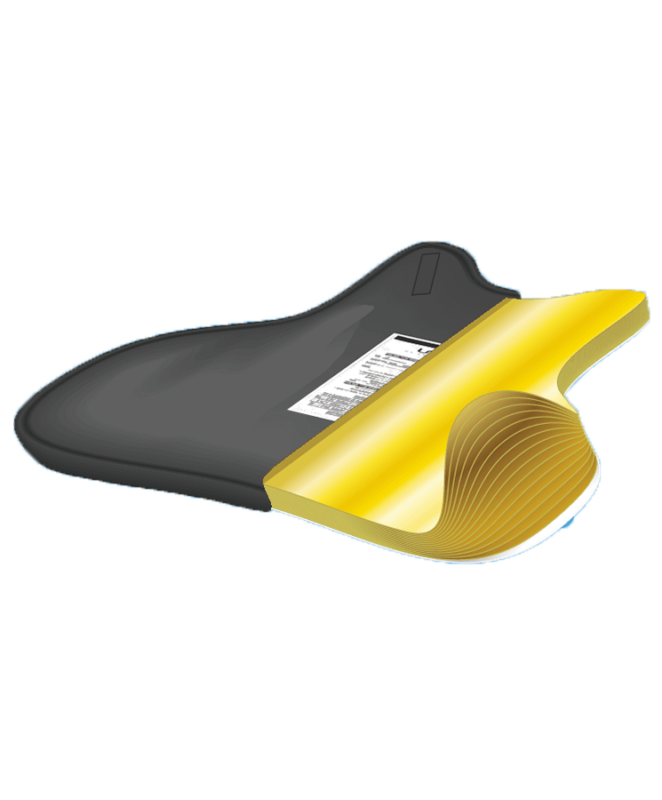
Enforcer XP Series Model 1316M – NIJ 0101.06 – Level IIIA
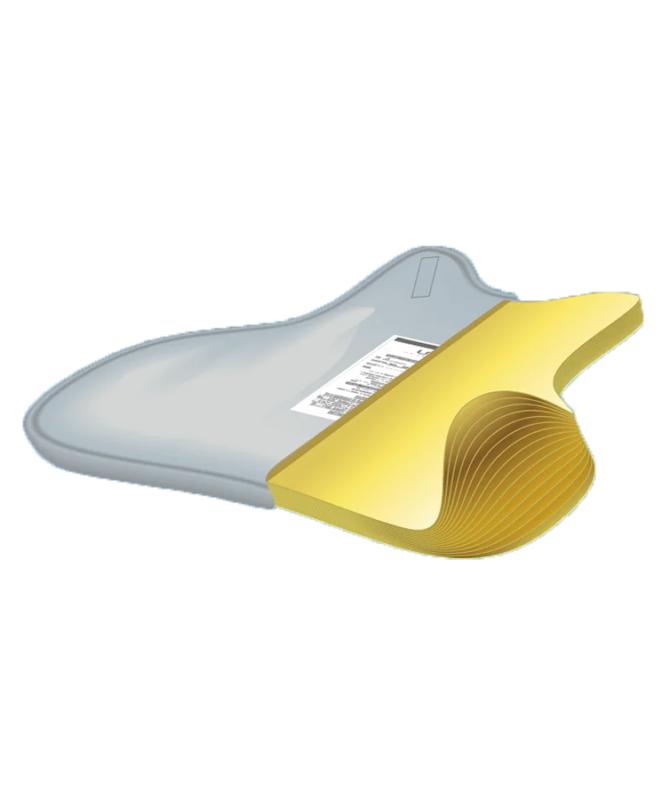
KEVLAR® XP™ is a new woven fabric from DuPont’s family of performance aramids. KEVLAR® XP™ has been completely redesigned for today’s modern threats. One of the key improvements to this fabric is its ability to reduce the back face deformation by 15% or more when compared to other ballistic materials. The Enforcer XP Series Model 1316M - Level IIIA is designed for superior protection and reliability, making it an essential piece of gear for law enforcement, military personnel, and security professionals. Built with high-quality materials and advanced engineering, it provides optimal safety without compromising comfort or mobility. With a focus on durability, the Enforcer-XP-Series-Model-1316M-Level-IIIA offers enhanced resistance against impact and ballistic threats, ensuring maximum defense in high-risk situations.
Whether you're in tactical operations, law enforcement missions, or personal defense scenarios, this product delivers the strength and protection you need. The Enforcer-XP-Series-Model-1316M-Level-IIIA is lightweight yet rugged, ensuring prolonged wearability while maintaining peak performance. Engineered to meet the highest industry standards, it is the go-to choice for professionals who demand excellence in protective gear. Stay prepared and secure with the Enforcer XP Series Model 1316M - Level IIIA, your ultimate safeguard against evolving threats.
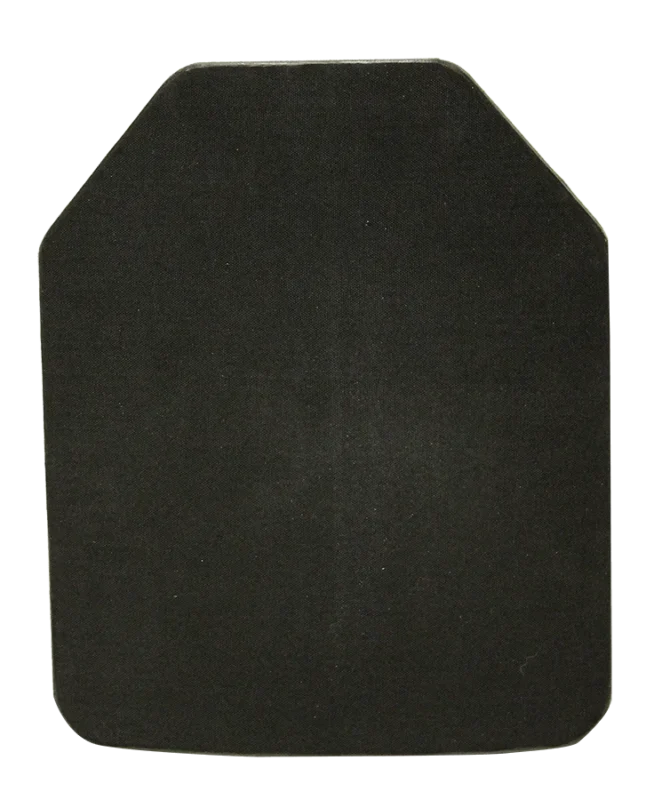
100 Series ICW Rifle Plate – Level III
The 100-Series-ICW-Rifle-Plate-Level-III is designed for superior protection and reliability, making it an essential piece of gear for law enforcement, military personnel, and security professionals. Built with high-quality materials and advanced engineering, it provides optimal safety without compromising comfort or mobility. With a focus on durability, the 100-series-icw-rifle-plate---level-iii offers enhanced resistance against impact and ballistic threats, ensuring maximum defense in high-risk situations.
Whether you're in tactical operations, law enforcement missions, or personal defense scenarios, this product delivers the strength and protection you need. The 100-Series-ICW-Rifle-Plate-Level-III is lightweight yet rugged, ensuring prolonged wearability while maintaining peak performance. Engineered to meet the highest industry standards, it is the go-to choice for professionals who demand excellence in protective gear. Stay prepared and secure with the 100 Series ICW Rifle Plate - Level III, your ultimate safeguard against evolving threats.
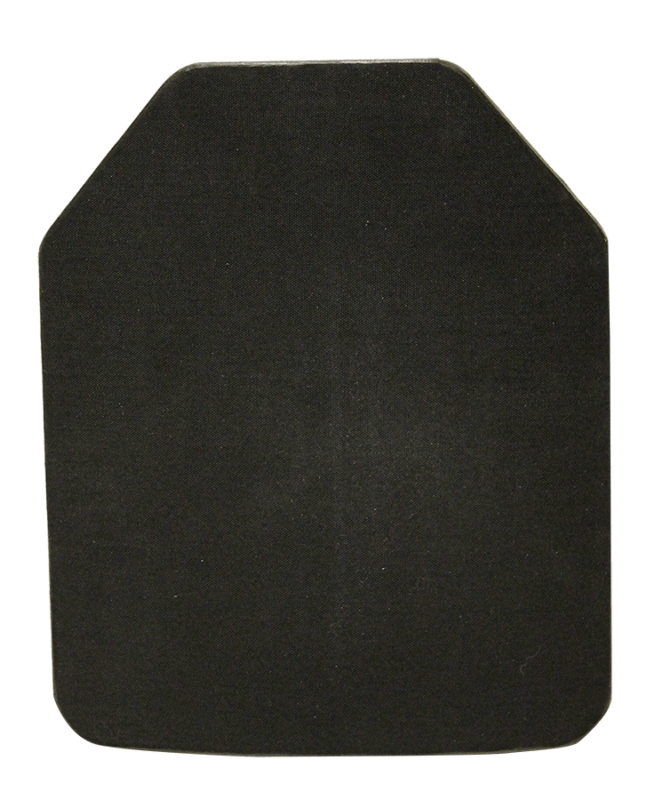
Model 26605 – Level IV Rifle Plate
The Model 26605 - Level IV Rifle Plate is designed for superior protection and reliability, making it an essential piece of gear for law enforcement, military personnel, and security professionals. Built with high-quality materials and advanced engineering, it provides optimal safety without compromising comfort or mobility. With a focus on durability, the model-26605-level-iv-rifle-plate offers enhanced resistance against impact and ballistic threats, ensuring maximum defense in high-risk situations.
Whether you're in tactical operations, law enforcement missions, or personal defense scenarios, this product delivers the strength and protection you need. The model-26605-level-iv-rifle-plate is lightweight yet rugged, ensuring prolonged wearability while maintaining peak performance. Engineered to meet the highest industry standards, it is the go-to choice for professionals who demand excellence in protective gear. Stay prepared and secure with the Model 26605 - Level IV Rifle Plate, your ultimate safeguard against evolving threats.
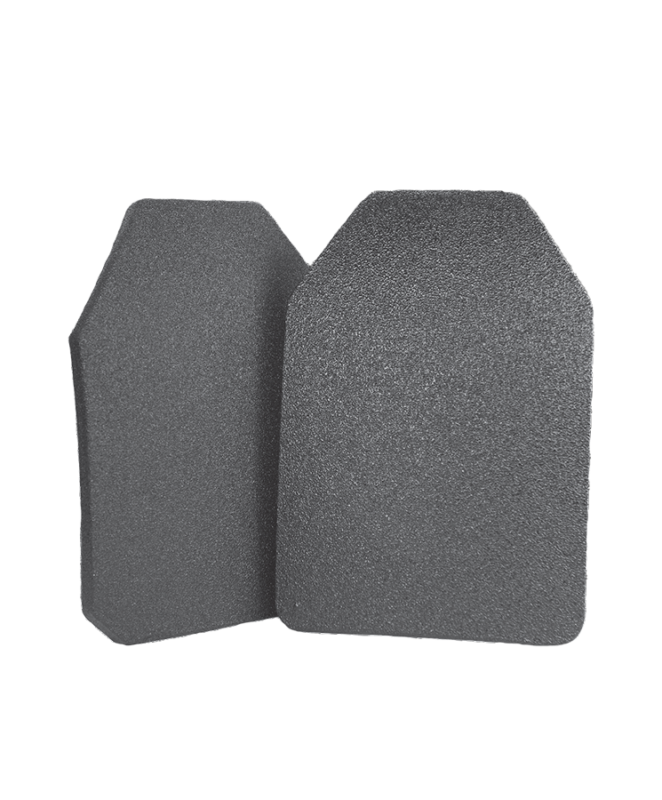
Model 3800C – Level III Rifle Plate
The Model 3800C - Level III Rifle Plate is designed for superior protection and reliability, making it an essential piece of gear for law enforcement, military personnel, and security professionals. Built with high-quality materials and advanced engineering, it provides optimal safety without compromising comfort or mobility. With a focus on durability, the model-3800c-level-iii-rifle-plate offers enhanced resistance against impact and ballistic threats, ensuring maximum defense in high-risk situations.
Whether you're in tactical operations, law enforcement missions, or personal defense scenarios, this product delivers the strength and protection you need. The model-3800c-level-iii-rifle-plate is lightweight yet rugged, ensuring prolonged wearability while maintaining peak performance. Engineered to meet the highest industry standards, it is the go-to choice for professionals who demand excellence in protective gear. Stay prepared and secure with the Model 3800C - Level III Rifle Plate, your ultimate safeguard against evolving threats.
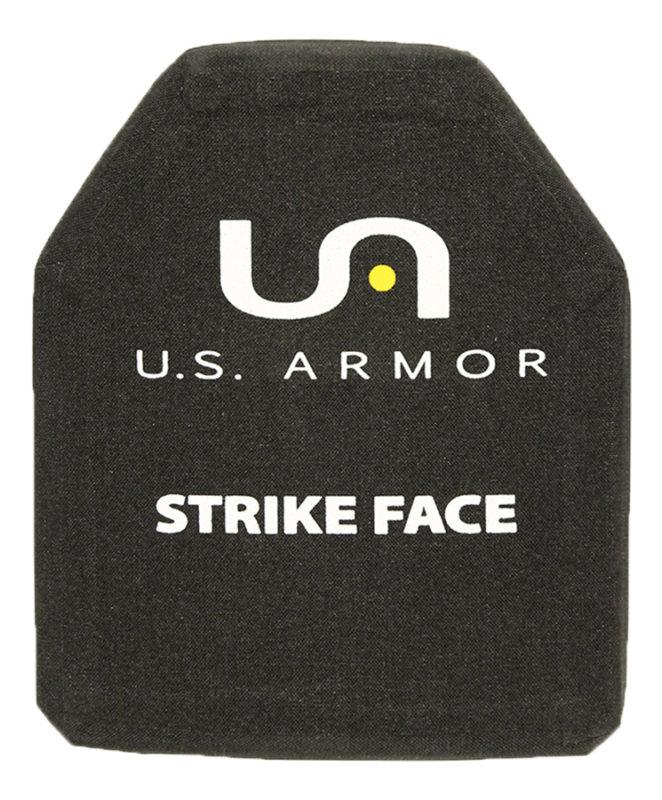
Model 4800 Level IV Rifle Plate
The Model 4800 Level IV Rifle Plate is designed for superior protection and reliability, making it an essential piece of gear for law enforcement, military personnel, and security professionals. Built with high-quality materials and advanced engineering, it provides optimal safety without compromising comfort or mobility. With a focus on durability, the model-4800-level-iv-rifle-plate offers enhanced resistance against impact and ballistic threats, ensuring maximum defense in high-risk situations.
Whether you're in tactical operations, law enforcement missions, or personal defense scenarios, this product delivers the strength and protection you need. The model-4800-level-iv-rifle-plate is lightweight yet rugged, ensuring prolonged wearability while maintaining peak performance. Engineered to meet the highest industry standards, it is the go-to choice for professionals who demand excellence in protective gear. Stay prepared and secure with the Model 4800 Level IV Rifle Plate, your ultimate safeguard against evolving threats.
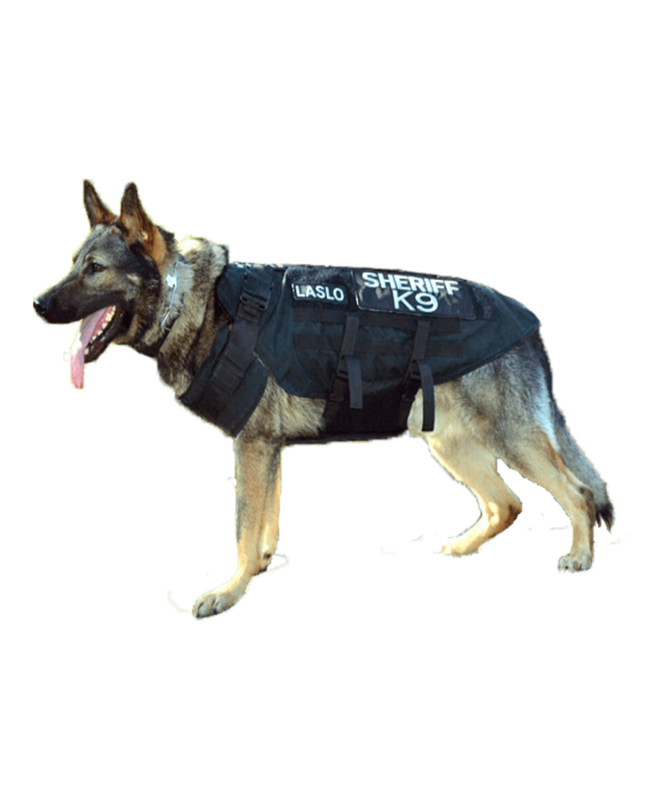
K-9 Protection Vests
$0.00When it comes to K-9 Armor why not consider the best. After years of research & development in conjunction with numerous Law Enforcement Agencies, U.S. Armor produces the top-of-the line K-9-Protection-Vests in the industry. Each vest is guaranteed to fit your dog perfectly, with just the correct cut and weight to ensure that you’re working police dog never has to carry more weight than necessary. Available in multiple threat levels, both ballistic and stab. The K-9 Protection Vests is designed for superior protection and reliability, making it an essential piece of gear for law enforcement, military personnel, and security professionals. Built with high-quality materials and advanced engineering, it provides optimal safety without compromising comfort or mobility.
Whether you’re in tactical operations, law enforcement missions, or personal defense scenarios, this product delivers the strength and protection you need. The k-9-protection-vests is lightweight yet rugged, ensuring prolonged wearability while maintaining peak performance. Engineered to meet the highest industry standards, it is the go-to choice for professionals who demand excellence in protective gear. Stay prepared and secure with the K-9 Protection Vests, your ultimate safeguard against evolving threats.
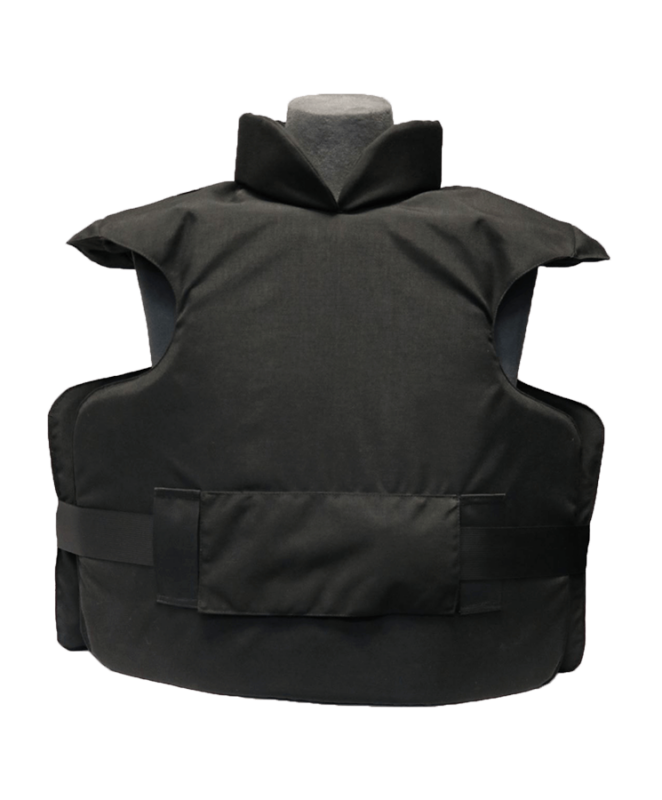
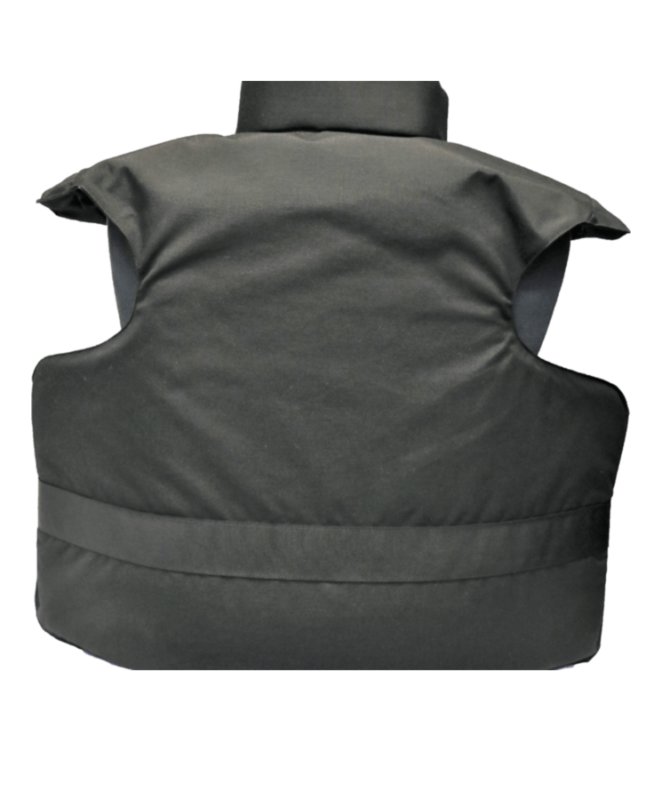
Impact Correctional Vest
The impact correctional vest provides officers essential protection from blunt trauma and spike and edged blade threats. The ICV provides form fitting full coverage with adjustable back to front side panels closure for a comfortable snug fit. The ICV exceeds class 3 stab resistance for both spike and edge blades (NIJ-0115.00). The Impact-Correctional-Vest is designed for superior protection and reliability, making it an essential piece of gear for law enforcement, military personnel, and security professionals. Built with high-quality materials and advanced engineering, it provides optimal safety without compromising comfort or mobility.
With a focus on durability, the impact-correctional-vest offers enhanced resistance against impact and ballistic threats, ensuring maximum defense in high-risk situations. Whether you're in tactical operations, law enforcement missions, or personal defense scenarios, this product delivers the strength and protection you need. The Impact-Correctional-Vest is lightweight yet rugged, ensuring prolonged wearability while maintaining peak performance. Engineered to meet the highest industry standards, it is the go-to choice for professionals who demand excellence in protective gear. Stay prepared and secure with the Impact Correctional Vest, your ultimate safeguard against evolving threats.
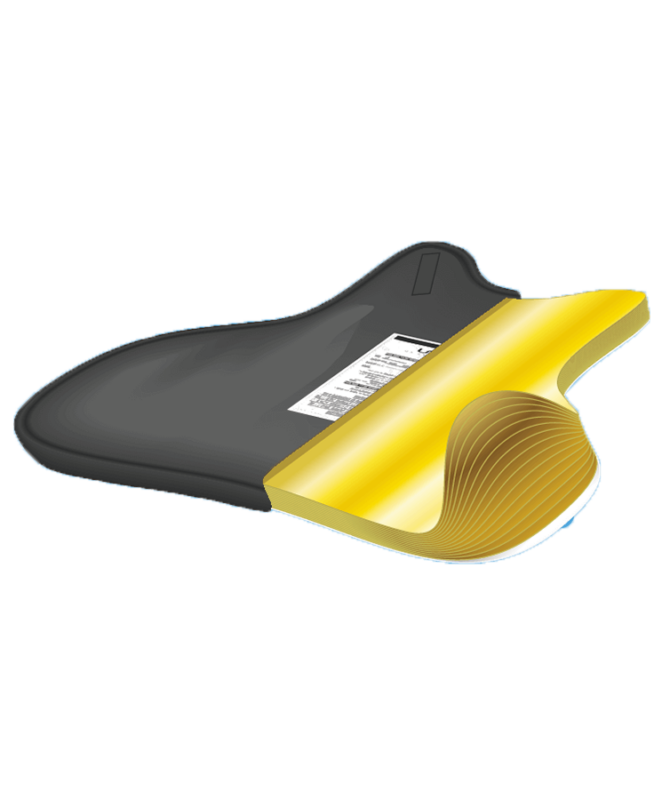
Spike Level 2 Vest – (CRT2‐01)
The Spike-Level-2-Vest Anti-Stab protection for correctional and custodial environments where ballistic threats are not an issue. Spike level 2 protection you can trust for improvised stab weapons in jail, prison, or other custodial environments. U.S. Armor's Concealable Correctional series offers protection from NIJ 0115.00 spike threats in Level 2. our vest has been optimized for maximum performance, while maintaining the thinnest, lightest and most flexible package possible, maximizing the user mobility and comfort.
Whether you're in tactical operations, law enforcement missions, or personal defense scenarios, this product delivers the strength and protection you need. The spike-level-2-vest is lightweight yet rugged, ensuring prolonged wearability while maintaining peak performance. Engineered to meet the highest industry standards, it is the go-to choice for professionals who demand excellence in protective gear. Stay prepared and secure with the Spike Level 2 Vest, your ultimate safeguard against evolving threats.
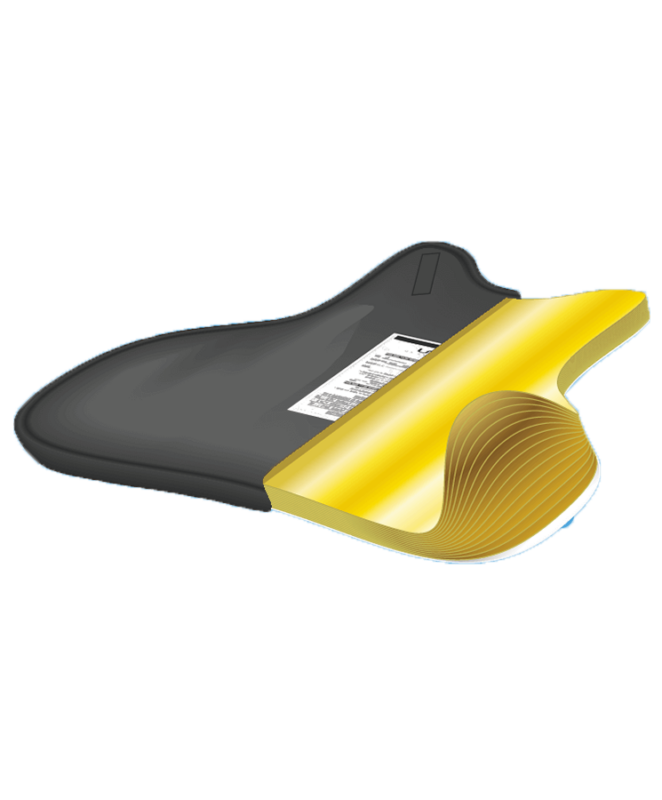
Spike Level 3 Vest – (CR2‐21)
The Spike-Level-3-Vest Anti-Stab protection for correctional and custodial environments where ballistic threats are not an issue. Spike level 3 protection you can trust for improvised stab weapons in jail, prison, or other custodial environments. U.S. Armor’s Concealable Correctional series offers protection from NIJ 0115.00 spike threats in Level 3. Our vest has been optimized for maximum performance, while maintaining the thinnest, lightest and most flexible package possible, maximizing the user mobility and comfort.
Whether you're in tactical operations, law enforcement missions, or personal defense scenarios, this product delivers the strength and protection you need. The spike-level-3-vest is lightweight yet rugged, ensuring prolonged wearability while maintaining peak performance. Engineered to meet the highest industry standards, it is the go-to choice for professionals who demand excellence in protective gear. Stay prepared and secure with the Spike Level 3 Vest, your ultimate safeguard against evolving threats.
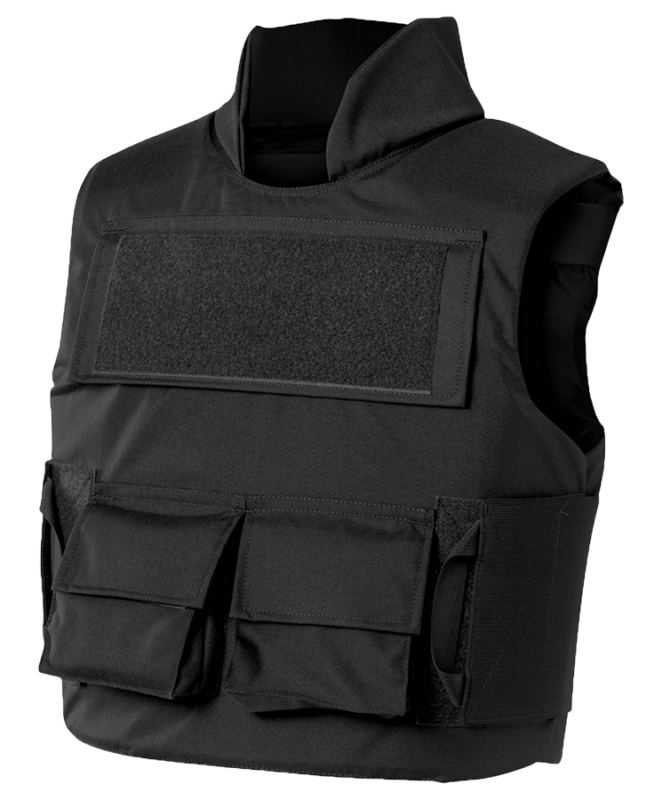
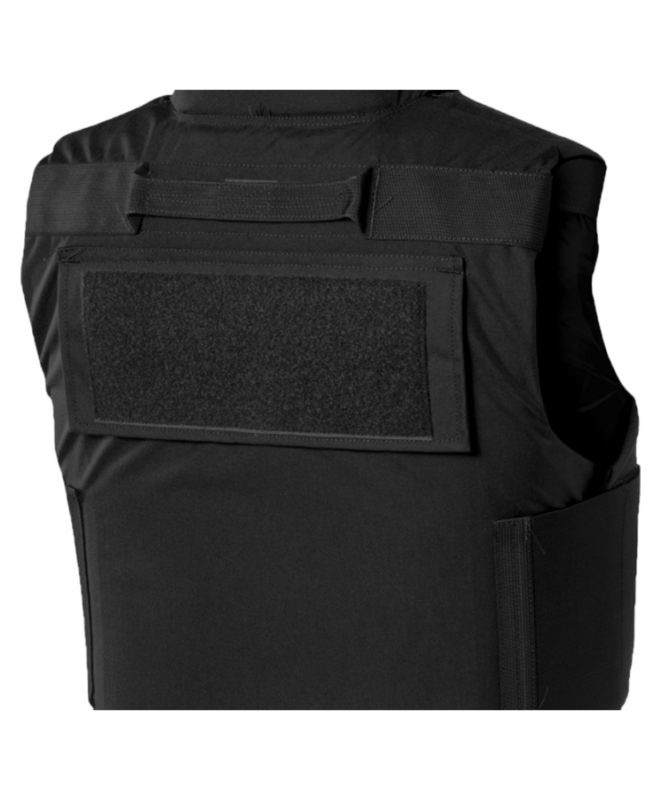
Tactical Correctional Vest G2
The Tactical Correctional Vest is a versatile Cell Entry/Cell Extraction system that has the unique feature of an external detachable yoke that provides additional anti-stab and blunt weapon impact protection from a variety of weapons to the neck and shoulder area. This vest is very popular for use in cell extraction and inmate crowd control environments. The Tactical Correctional Vest G2 is designed for superior protection and reliability, making it an essential piece of gear for law enforcement, military personnel, and security professionals. Built with high-quality materials and advanced engineering, it provides optimal safety without compromising comfort or mobility.
With a focus on durability, the tactical-correctional-vest-g2 offers enhanced resistance against impact and ballistic threats, ensuring maximum defense in high-risk situations. Whether you're in tactical operations, law enforcement missions, or personal defense scenarios, this product delivers the strength and protection you need. The tactical-correctional-vest-g2 is lightweight yet rugged, ensuring prolonged wearability while maintaining peak performance. Engineered to meet the highest industry standards, it is the go-to choice for professionals who demand excellence in protective gear. Stay prepared and secure with the Tactical Correctional Vest G2, your ultimate safeguard against evolving threats.
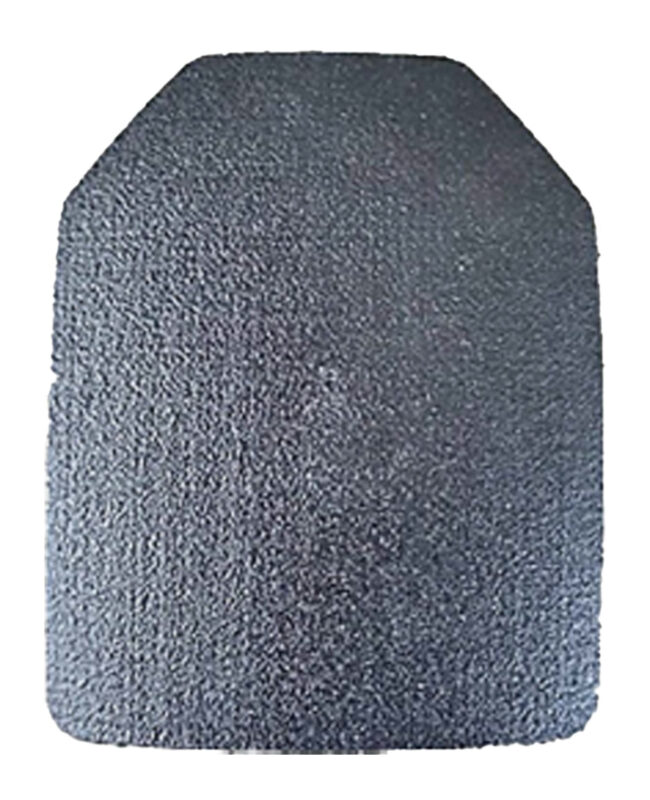
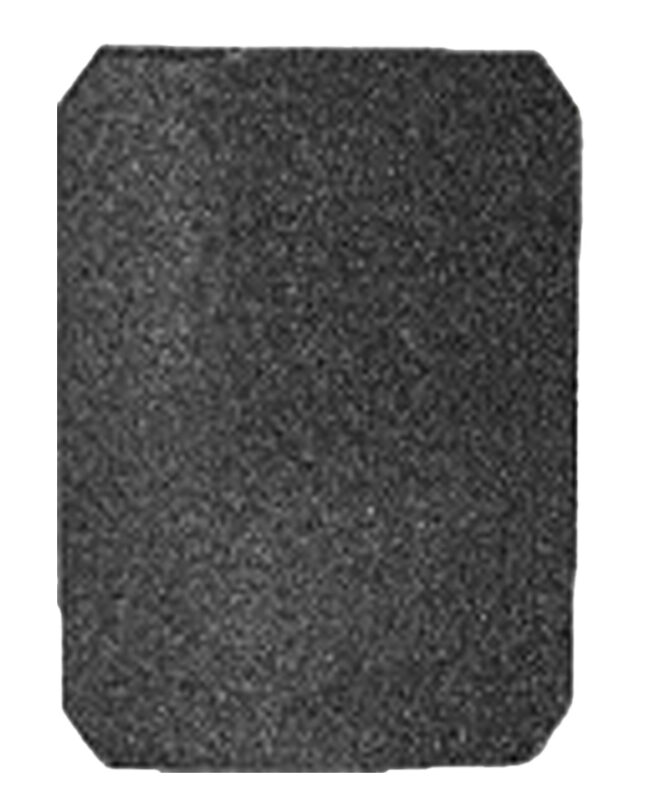
ATAC Trauma Plate
The ATC Special Threat Plates have been independently tested to a modified NIJ-0108.01 Level IHA test at NTS-Chesapeake Laboratories. The 1.1 PSF plate(s) have been tested against 10 special threat rounds. These plates have been pressed under high pressures and covered with a polyurea coating.
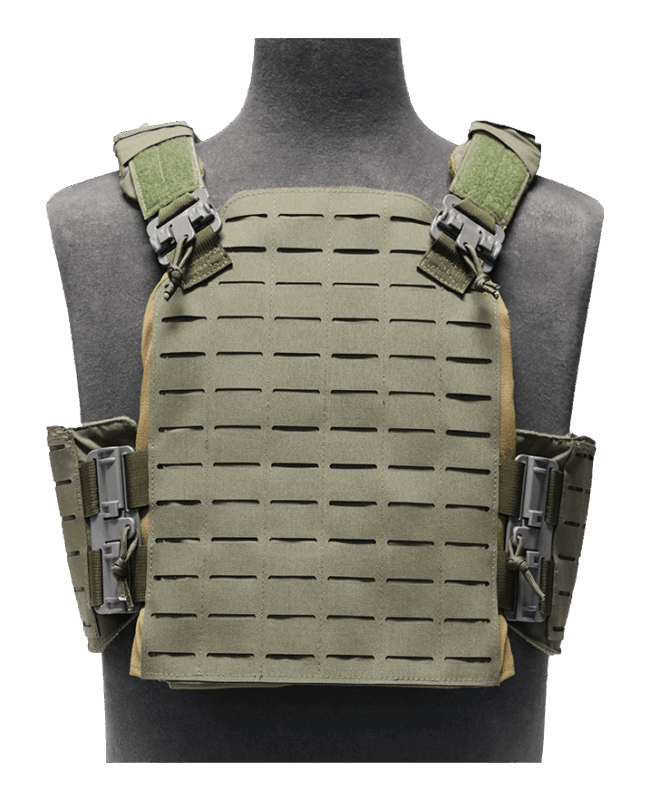
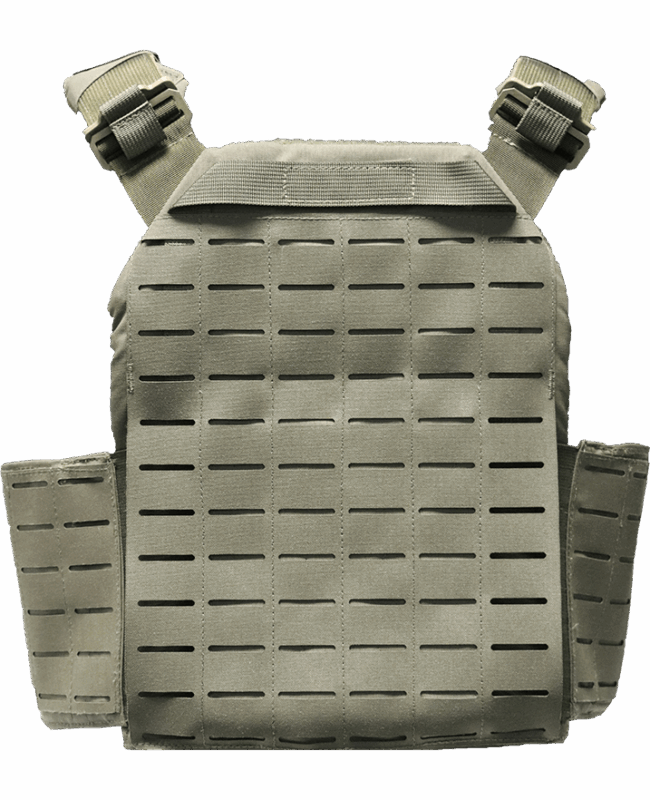
G-FORCE PC – Rifle Plate Carrier Platform
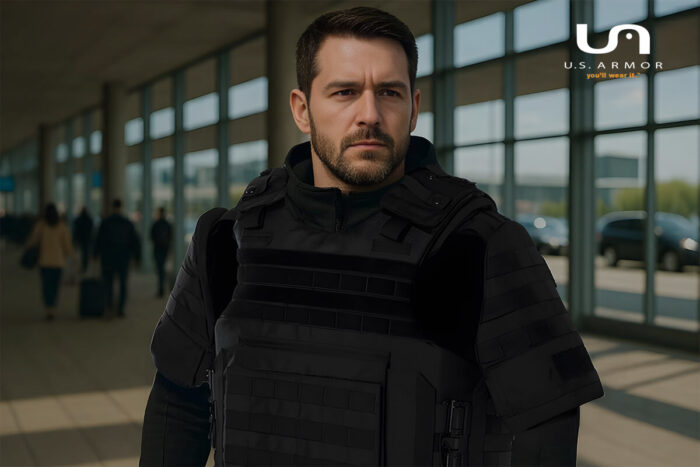
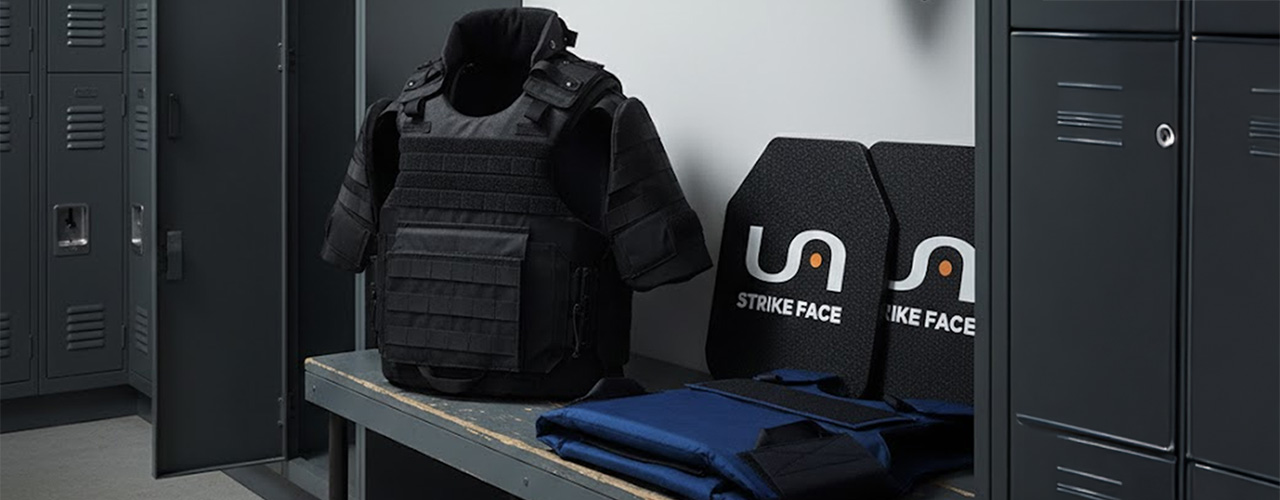
Designed to be worn as a stand-alone rifle plate carrier or in conjunction with an officer's concealable soft body armor in a first responder situation or extended deployment. The G-Force PC can be worn over the top of the officer's soft body armor in order to provide a higher level of rifle protection (rifle plates not included) in the event of an active shooter situation or when responding into a high-threat environment.
The G-Force PC can also be fitted with NIJ certified ballistic panels (front/back and sides), creating a "stand-alone" tactical vest platform to build upon.
Model 4800 Level IV Rifle Plate
The Model 4800 Level IV Rifle Plate is designed for superior protection and reliability, making it an essential piece of gear for law enforcement, military personnel, and security professionals. Built with high-quality materials and advanced engineering, it provides optimal safety without compromising comfort or mobility. With a focus on durability, the model-4800-level-iv-rifle-plate offers enhanced resistance against impact and ballistic threats, ensuring maximum defense in high-risk situations.
Whether you're in tactical operations, law enforcement missions, or personal defense scenarios, this product delivers the strength and protection you need. The model-4800-level-iv-rifle-plate is lightweight yet rugged, ensuring prolonged wearability while maintaining peak performance. Engineered to meet the highest industry standards, it is the go-to choice for professionals who demand excellence in protective gear. Stay prepared and secure with the Model 4800 Level IV Rifle Plate, your ultimate safeguard against evolving threats.
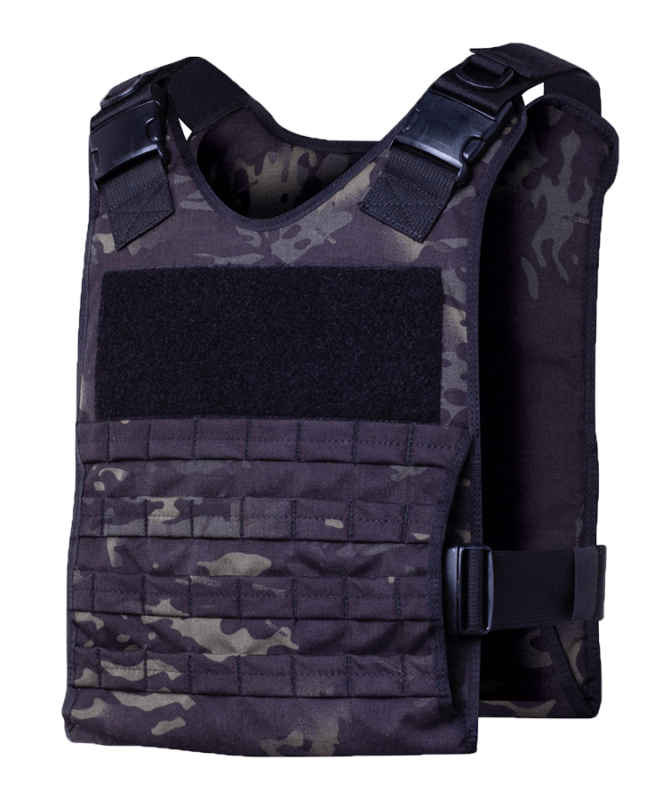
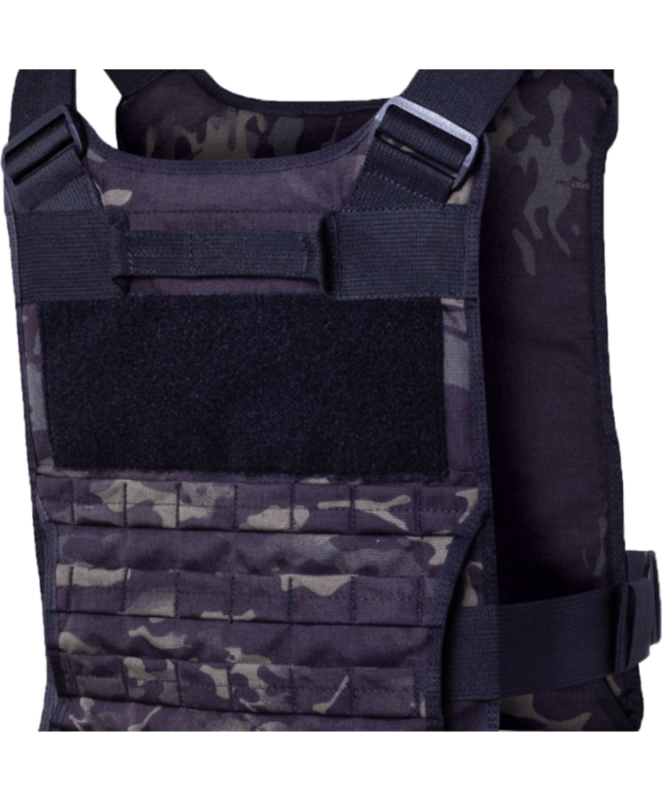
RPC – Rifle Plate Carrier
The RPC G2 is designed as a throw-over Rifle Plate carrier, which is worn in conjunction with an officer’s concealable soft body armor for instant deployment in a first responder situation. The RPC is worn over the top of an officer’s concealable body armor to provide a higher level of threat protection in the event of an active shooter situation or in rapid response to high threat environments. The RPC-Rifle-Plate-Carrier can also be fitted with Threat Level IIIA Ballistic inserts that provide “stand alone” IIIA ballistic protection or provides additional protection when used behind a Rifle Plate.
The RPC-Rifle-Plate-Carrier is designed for superior protection and reliability, making it an essential piece of gear for law enforcement, military personnel, and security professionals. Built with high-quality materials and advanced engineering, it provides optimal safety without compromising comfort or mobility. With a focus on durability, the RPC-Rifle-Plate-Carrier offers enhanced resistance against impact and ballistic threats, ensuring maximum defense in high-risk situations. Whether you're in tactical operations, law enforcement missions, or personal defense scenarios, this product delivers the strength and protection you need.
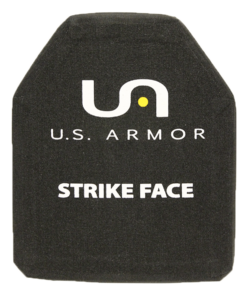
Rifle Plates
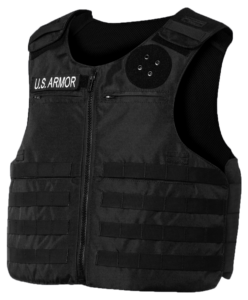
Carriers
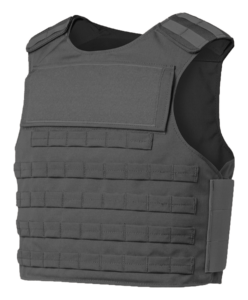
Tactical Vests
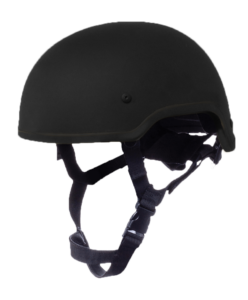
Ballistic Helmets
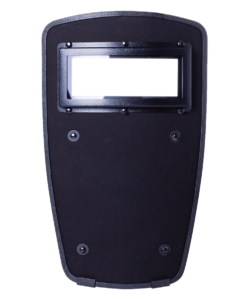
Shields & Blankets
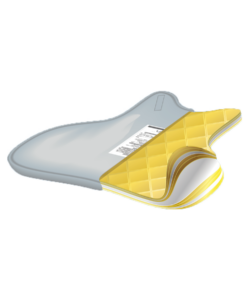
Soft Armor