
Plate Carrier: Professional Body Armor Solutions for Law Enforcement and Military
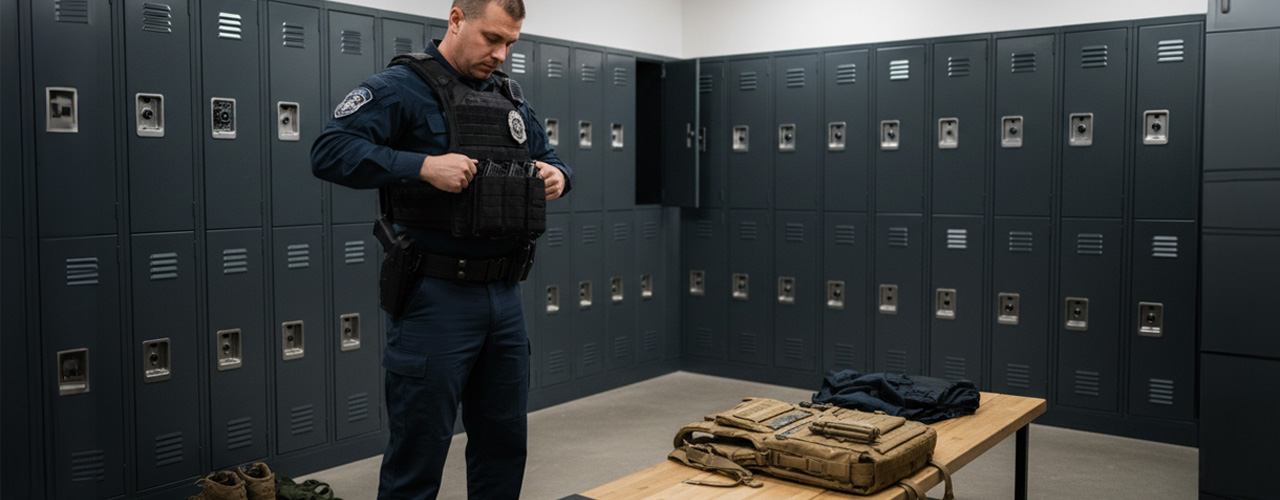
Popular U.S. Armor Plate Carriers
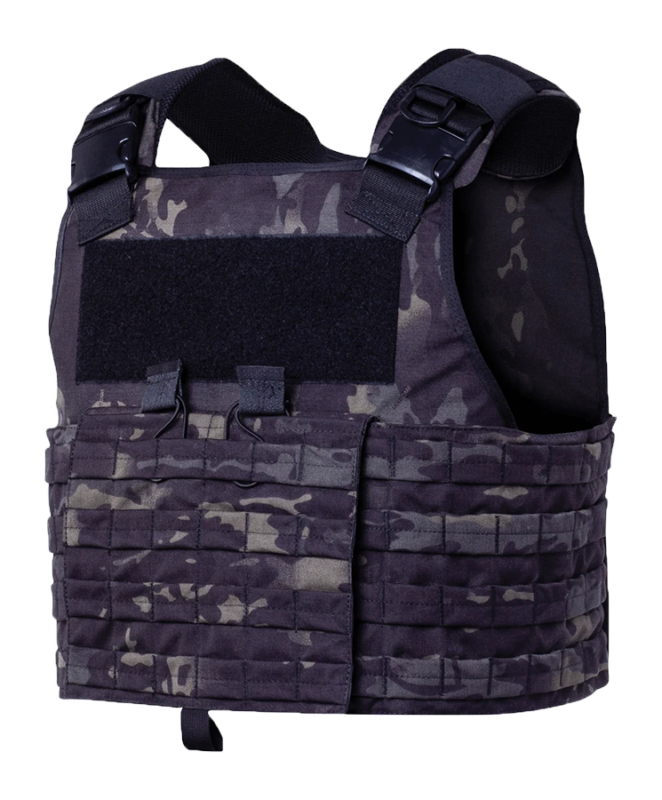
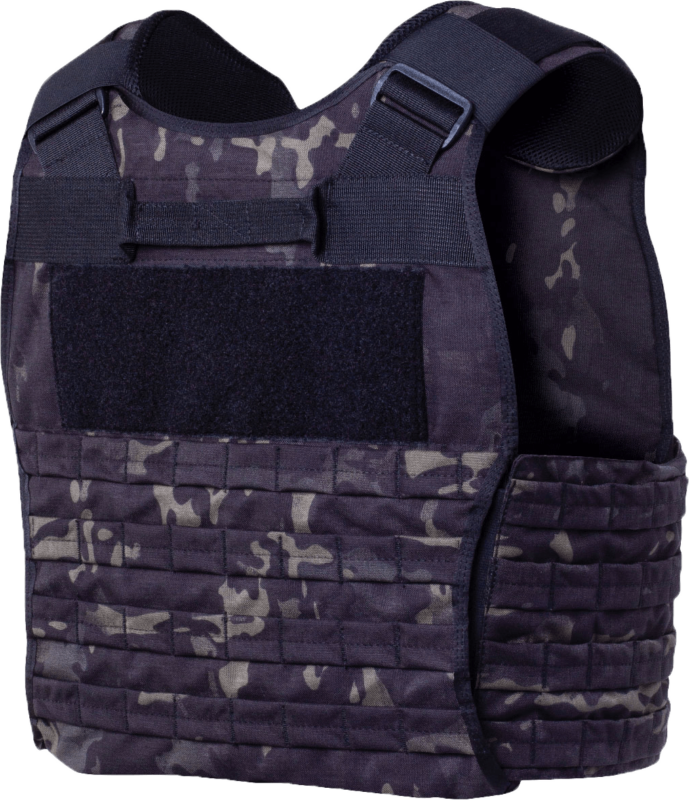
ERPC G2 – Extended Rifle Plate Carrier
Designed to be worn in conjunction with an officer’s concealable soft body armor in a first responder situation or extended deployment. The ERPC-G2-Extended-Rifle-Plate-Carrier can be worn over top of the officer’s soft body armor protection in order to provide a higher level of protection in the event of an active shooter situation or when responding into a high threat environment. The ERPC-G2-Extended-Rifle-Plate-Carrier can be fitted with full size NIJ Certified IIIA Ballistic panels (front/back and sides) creating a “Stand Alone” IIIA tactical vest platform to build upon. The ERPC G2 can also be fitted with Threat Level IIIA Ballistic inserts that also provide “stand alone” IIIA ballistic protection level or additional protection when used behind a Rifle Plate.
The ERPC-G2-Extended-Rifle-Plate-Carrier is designed for superior protection and reliability, making it an essential piece of gear for law enforcement, military personnel, and security professionals. Built with high-quality materials and advanced engineering, it provides optimal safety without compromising comfort or mobility. With a focus on durability, the erpc-g2---extended-rifle-plate-carrier offers enhanced resistance against impact and ballistic threats, ensuring maximum defense in high-risk situations. Whether you're in tactical operations, law enforcement missions, or personal defense scenarios, this product delivers the strength and protection you need.
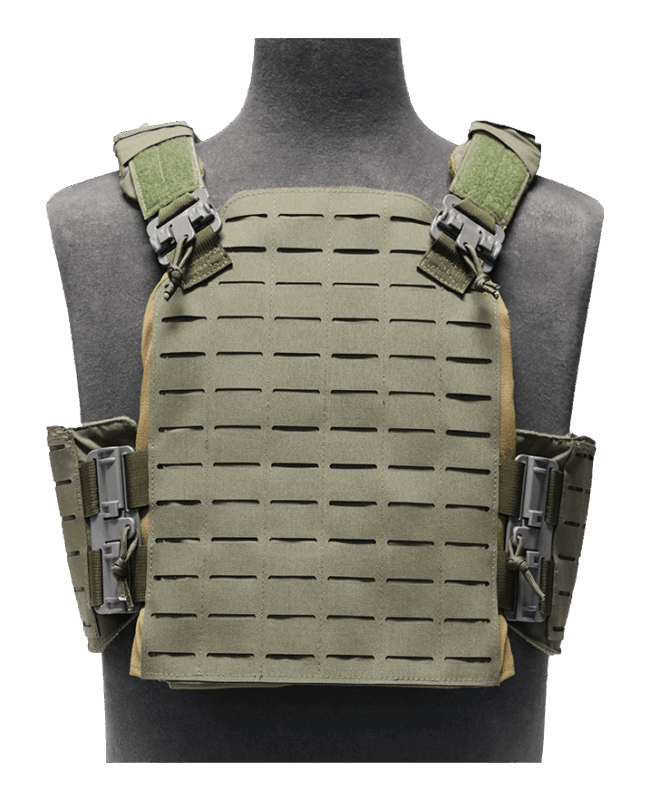
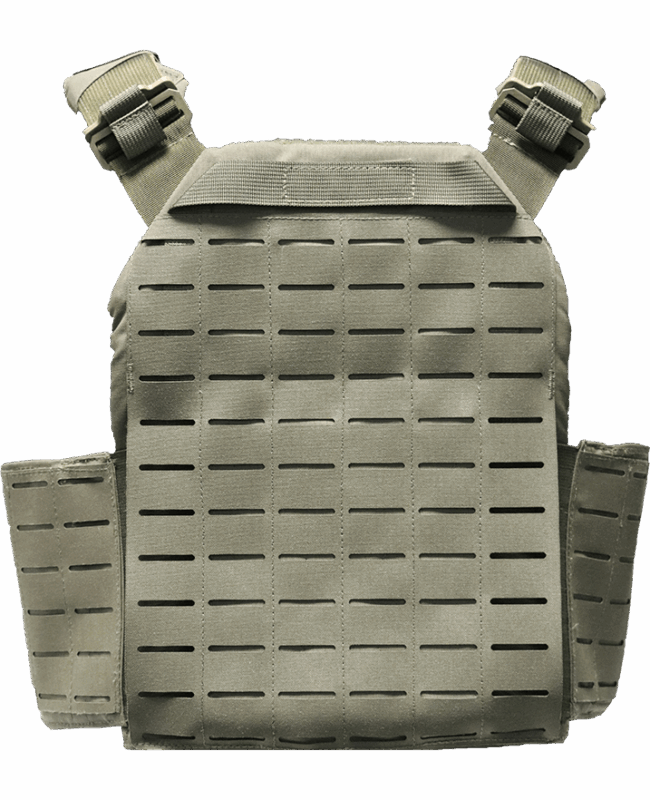
G-FORCE PC – Rifle Plate Carrier Platform
Designed to be worn as a stand-alone rifle plate carrier or in conjunction with an officer's concealable soft body armor in a first responder situation or extended deployment. The G-Force PC can be worn over the top of the officer's soft body armor in order to provide a higher level of rifle protection (rifle plates not included) in the event of an active shooter situation or when responding into a high-threat environment.
The G-Force PC can also be fitted with NIJ certified ballistic panels (front/back and sides), creating a "stand-alone" tactical vest platform to build upon.

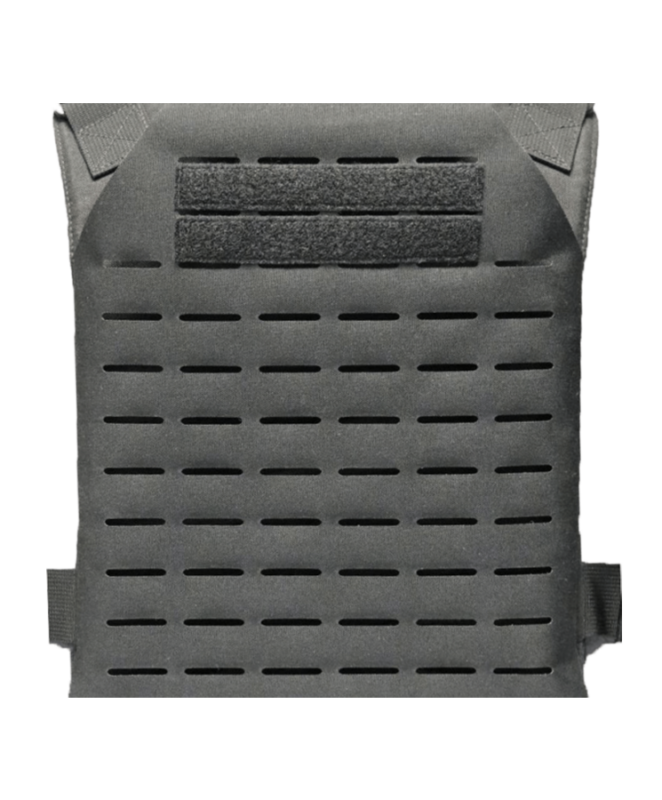
LPC – Lightweight Plate Carrier
The smallest and lightest Rifle Plate Carrier in the U.S. Armor tactical line. The LPC is designed as a throw-over Rifle Plate carrier, which is worn in conjunction with an officer’s concealable soft body armor for instant deployment in a first responder situation. The RPC is worn over the top of an officer’s concealable body armor to provide a higher level of threat protection in the event of an active shooter situation or in rapid response to high threat environments. The LPC-Lightweight-Plate-Carrier is designed for superior protection and reliability, making it an essential piece of gear for law enforcement, military personnel, and security professionals. Built with high-quality materials and advanced engineering, it provides optimal safety without compromising comfort or mobility.
With a focus on durability, the LPC-Lightweight-Plate-Carrier offers enhanced resistance against impact and ballistic threats, ensuring maximum defense in high-risk situations. Whether you're in tactical operations, law enforcement missions, or personal defense scenarios, this product delivers the strength and protection you need. The LPC-Lightweight-Plate-Carrier is lightweight yet rugged, ensuring prolonged wearability while maintaining peak performance. Engineered to meet the highest industry standards, it is the go-to choice for professionals who demand excellence in protective gear. Stay prepared and secure with the LPC - Lightweight Plate Carrier, your ultimate safeguard against evolving threats.
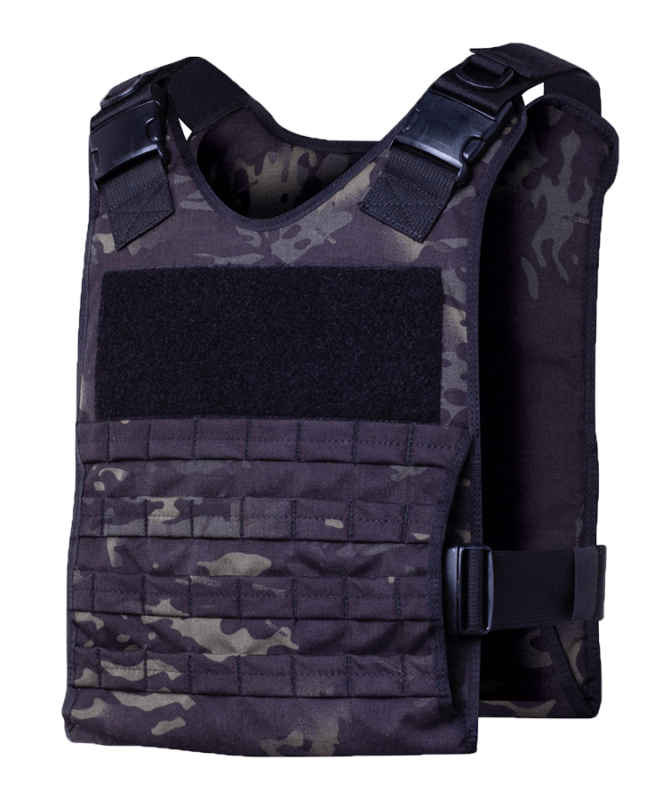
RPC – Rifle Plate Carrier
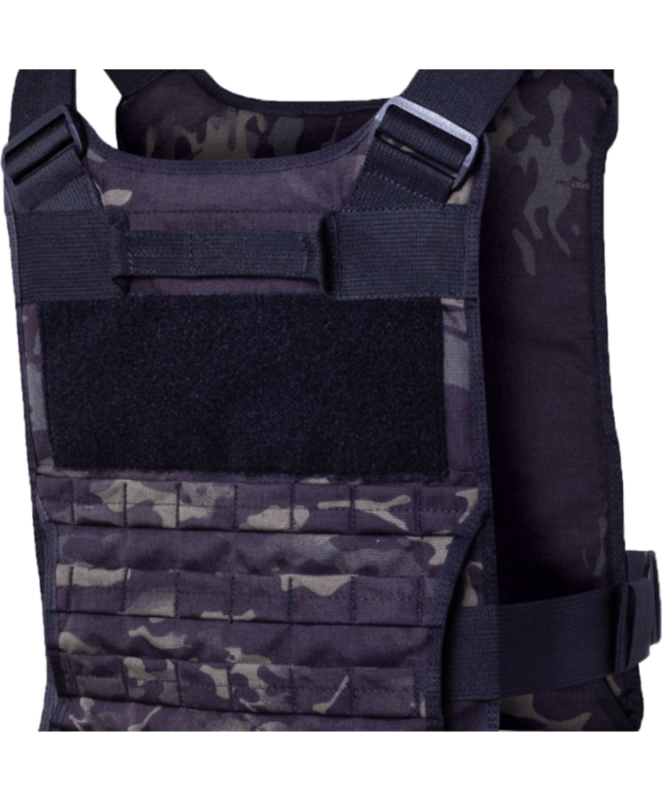
The RPC G2 is designed as a throw-over Rifle Plate carrier, which is worn in conjunction with an officer’s concealable soft body armor for instant deployment in a first responder situation. The RPC is worn over the top of an officer’s concealable body armor to provide a higher level of threat protection in the event of an active shooter situation or in rapid response to high threat environments. The RPC-Rifle-Plate-Carrier can also be fitted with Threat Level IIIA Ballistic inserts that provide “stand alone” IIIA ballistic protection or provides additional protection when used behind a Rifle Plate.
The RPC-Rifle-Plate-Carrier is designed for superior protection and reliability, making it an essential piece of gear for law enforcement, military personnel, and security professionals. Built with high-quality materials and advanced engineering, it provides optimal safety without compromising comfort or mobility. With a focus on durability, the RPC-Rifle-Plate-Carrier offers enhanced resistance against impact and ballistic threats, ensuring maximum defense in high-risk situations. Whether you're in tactical operations, law enforcement missions, or personal defense scenarios, this product delivers the strength and protection you need.
Tactical Vest Solutions


MSTV 700 – Mission Specific Tactical Vest
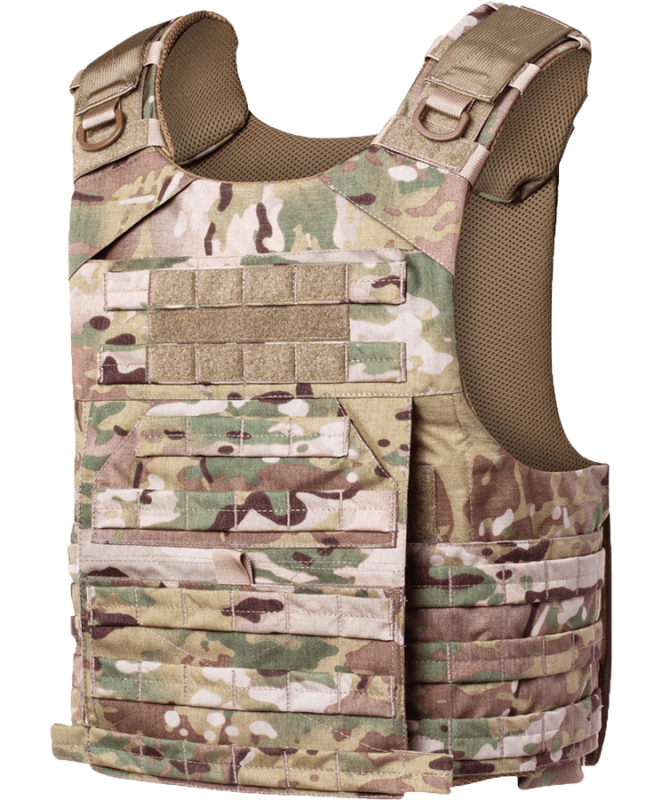
The MSTV 700 is the ultimate outer enhancement to the conventional concealable armor that the first responder is already wearing under their uniform. It achieves the elusive balance between the competing demands of adequate protection and increased mobility through customizable configurations. In addition, the MSTV 700 offers a fully modular tactical armor package, where each ballistic panel is removable ensuring complete flexibility for the operator, based on ever-changing situational demands. Front, rear and side plate pockets allow additional protection.
Whether you're in tactical operations, law enforcement missions, or personal defense scenarios, this product delivers the strength and protection you need. The mstv-700-mission-specific-tactical-vest is lightweight yet rugged, ensuring prolonged wearability while maintaining peak performance. Engineered to meet the highest industry standards, it is the go-to choice for professionals who demand excellence in protective gear. Stay prepared and secure with the MSTV-700-Mission-Specific-Tactical-Vest, your ultimate safeguard against evolving threats.
Rock 500 Tactical Vest
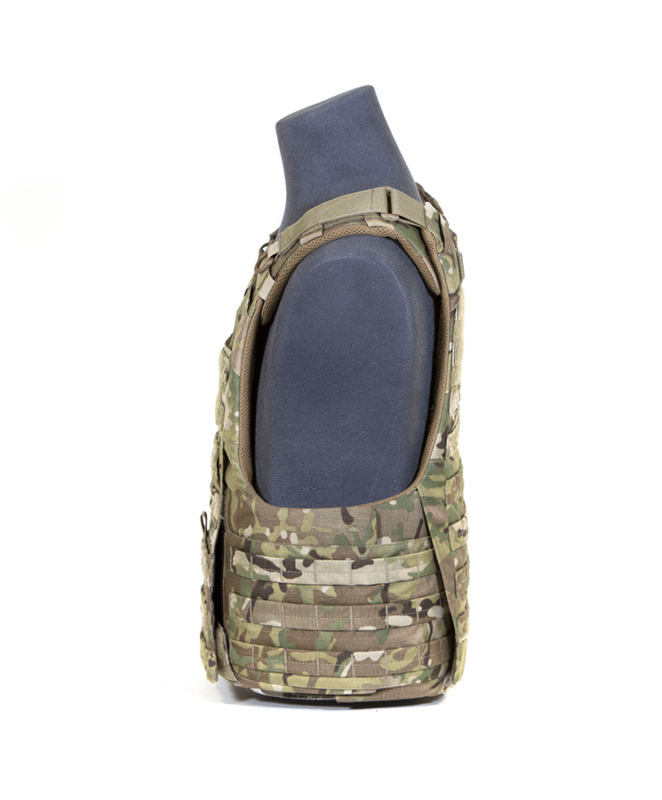
The Rock-500 tactical vest was created for special operation units in addition to SWAT personnel. The vest consists of front, rear, and side ballistic coverage. The integrated waist cummerbund system can be easily adjusted to various torsos for comfort and fit. The Rock 500 tactical vest is available with all U.S. Armor ballistic packages. The Rock 500 is designed for superior protection and reliability, making it an essential piece of gear for law enforcement, military personnel, and security professionals. Built with high-quality materials and advanced engineering, it provides optimal safety without compromising comfort or mobility.
With a focus on durability, the rock-500 tactical vest offers enhanced resistance against impact and ballistic threats, ensuring maximum defense in high-risk situations. Whether you're in tactical operations, law enforcement missions, or personal defense scenarios, this product delivers the strength and protection you need. The rock-500 is lightweight yet rugged, ensuring prolonged wearability while maintaining peak performance. Engineered to meet the highest industry standards, it is the go-to choice for professionals who demand excellence in protective gear. Stay prepared and secure with the Rock 500 tactical vest, your ultimate safeguard against evolving threats.
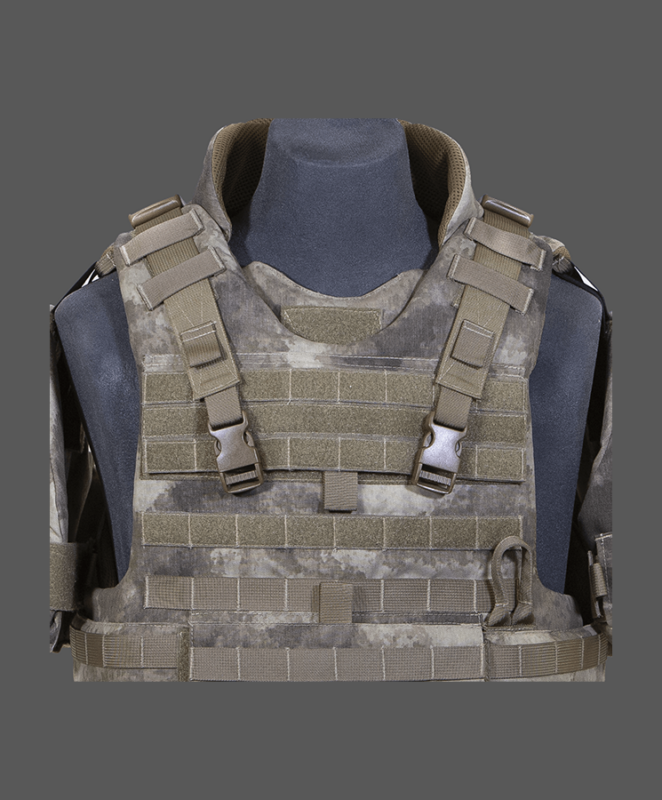
Special Operations Tactical Vest (SOV G2)
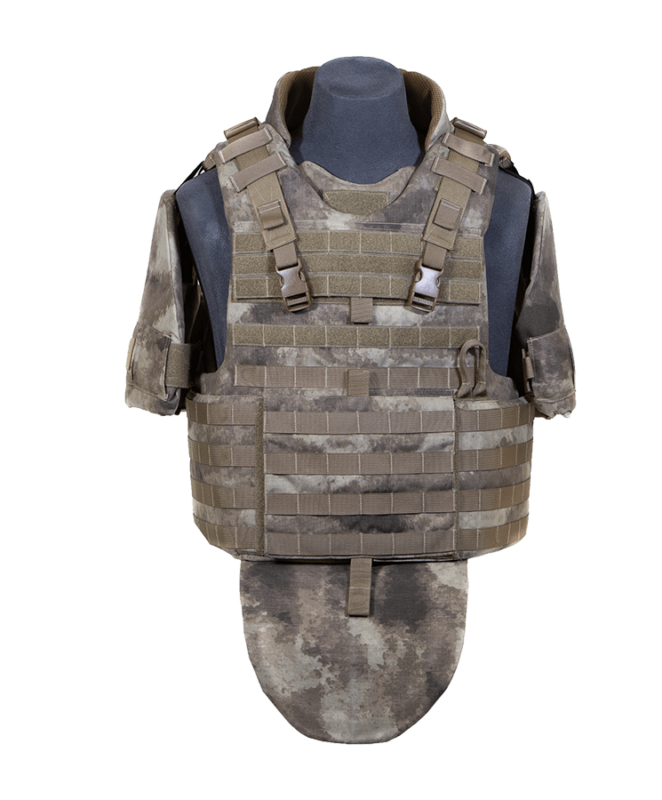
The Special Operations Tactical Vest (SOV G2) provides a single-point or Tube Release system that allows quick ditch capability during boat operations or aircraft operations. The SOV G2 vest platform allows you to customize the vests, attaching shoulder, Groin, along with throat & collar protection as needed. The Special Operations Tactical Vest (SOV G2) is designed for superior protection and reliability, making it an essential piece of gear for law enforcement, military personnel, and security professionals. Built with high-quality materials and advanced engineering, it provides optimal safety without compromising comfort or mobility.
With a focus on durability, the Special-Operations-Vest-SOV-G2 offers enhanced resistance against impact and ballistic threats, ensuring maximum defense in high-risk situations. Whether you're in tactical operations, law enforcement missions, or personal defense scenarios, this product delivers the strength and protection you need. The Special-Operations-Vest-SOV-G2 is lightweight yet rugged, ensuring prolonged wearability while maintaining peak performance. Engineered to meet the highest industry standards, it is the go-to choice for professionals who demand excellence in protective gear. Stay prepared and secure with the Special Operations Tactical Vest (SOV G2), your ultimate safeguard against evolving threats.
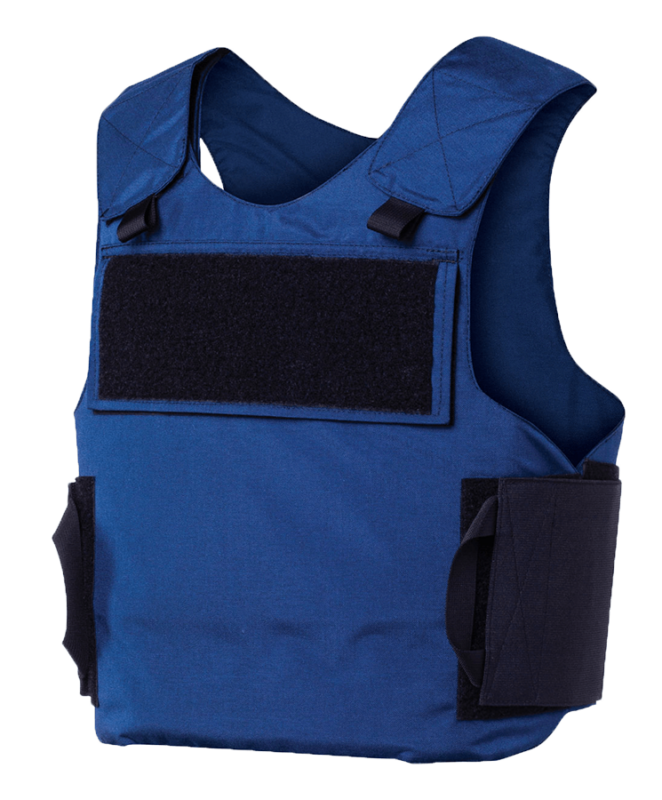
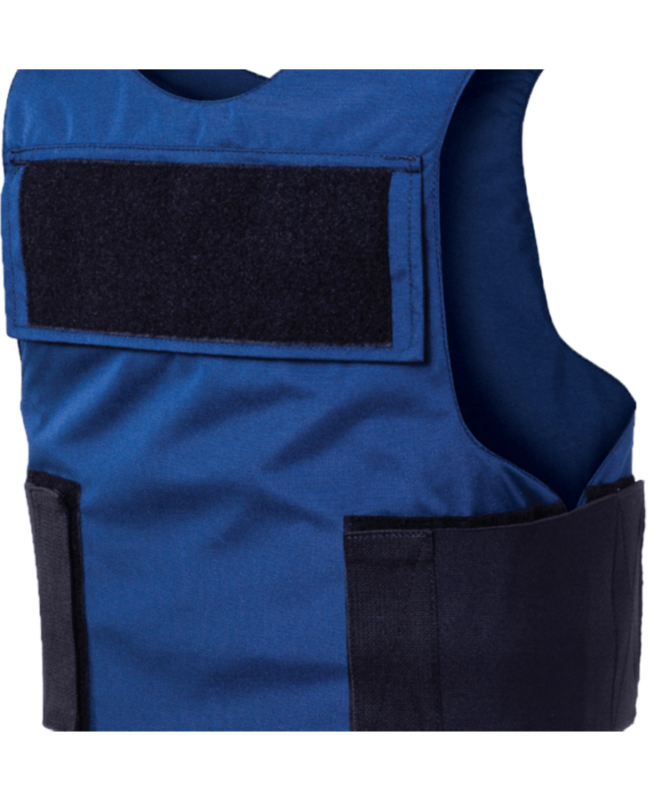
Tac Con G2 Tactical Vest
The Tac Con G2 tactical vest is an overt ballistic vest specifically manufactured with the international market in mind. Included with this vest are front and rear plate pockets built into the robust carrier to allow the user to upgrade protection against rifle threats. Custom sized to fit your new or existing U.S. Armor ballistic panels. The Tac Con G2 tactical vest is designed for superior protection and reliability, making it an essential piece of gear for law enforcement, military personnel, and security professionals. Built with high-quality materials and advanced engineering, it provides optimal safety without compromising comfort or mobility.
With a focus on durability, the tac-con-g2 offers enhanced resistance against impact and ballistic threats, ensuring maximum defense in high-risk situations. Whether you're in tactical operations, law enforcement missions, or personal defense scenarios, this product delivers the strength and protection you need. The tac-con-g2 is lightweight yet rugged, ensuring prolonged wearability while maintaining peak performance. Engineered to meet the highest industry standards, it is the go-to choice for professionals who demand excellence in protective gear. Stay prepared and secure with the Tac Con G2 tactical vest, your ultimate safeguard against evolving threats.
Ready to explore professional-grade protection?
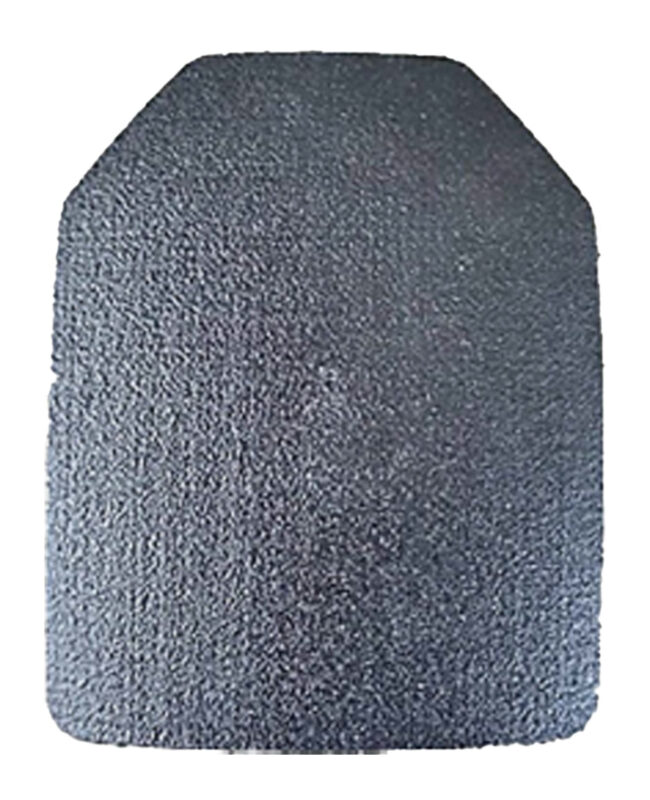
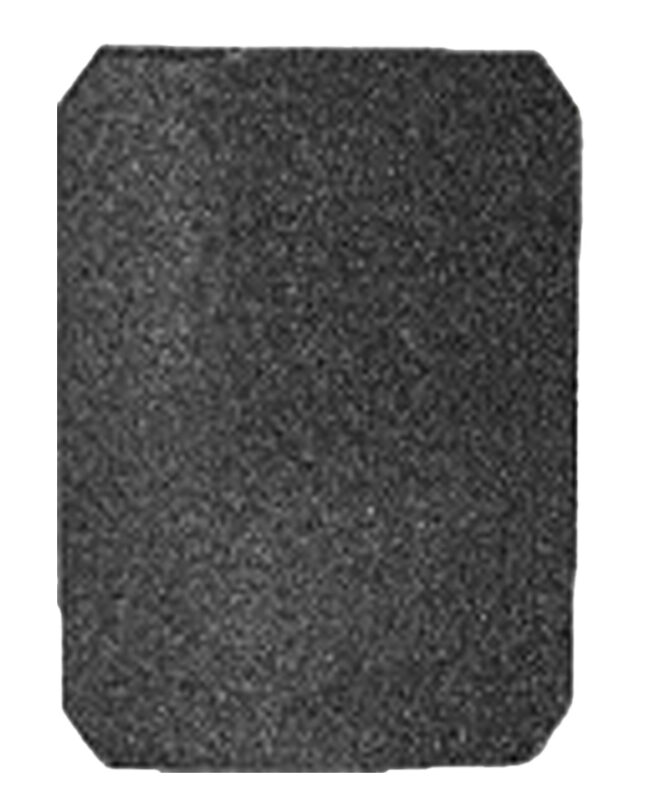
ATAC Trauma Plate
The ATC Special Threat Plates have been independently tested to a modified NIJ-0108.01 Level IHA test at NTS-Chesapeake Laboratories. The 1.1 PSF plate(s) have been tested against 10 special threat rounds. These plates have been pressed under high pressures and covered with a polyurea coating.
G-FORCE PC – Rifle Plate Carrier Platform
Designed to be worn as a stand-alone rifle plate carrier or in conjunction with an officer's concealable soft body armor in a first responder situation or extended deployment. The G-Force PC can be worn over the top of the officer's soft body armor in order to provide a higher level of rifle protection (rifle plates not included) in the event of an active shooter situation or when responding into a high-threat environment.
The G-Force PC can also be fitted with NIJ certified ballistic panels (front/back and sides), creating a "stand-alone" tactical vest platform to build upon.
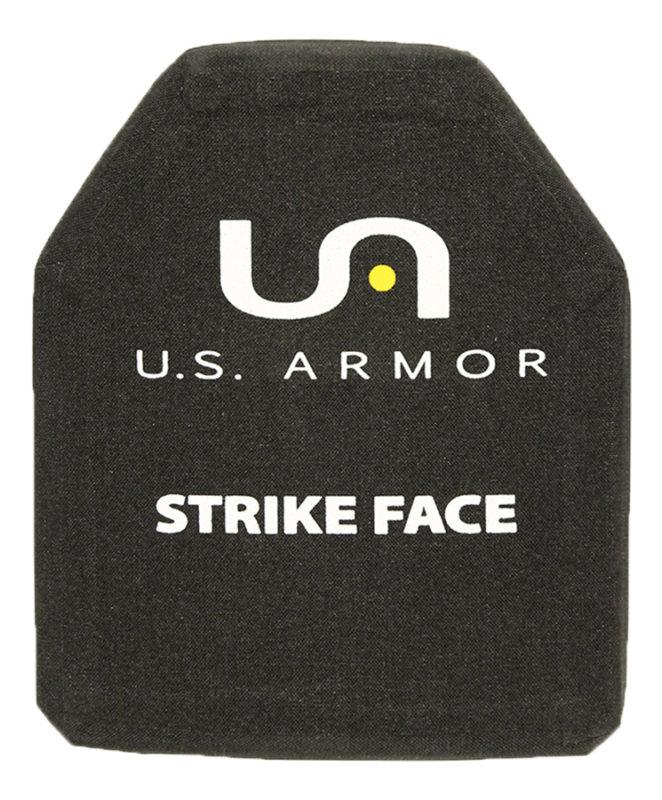
Model 4800 Level IV Rifle Plate
The Model 4800 Level IV Rifle Plate is designed for superior protection and reliability, making it an essential piece of gear for law enforcement, military personnel, and security professionals. Built with high-quality materials and advanced engineering, it provides optimal safety without compromising comfort or mobility. With a focus on durability, the model-4800-level-iv-rifle-plate offers enhanced resistance against impact and ballistic threats, ensuring maximum defense in high-risk situations.
Whether you're in tactical operations, law enforcement missions, or personal defense scenarios, this product delivers the strength and protection you need. The model-4800-level-iv-rifle-plate is lightweight yet rugged, ensuring prolonged wearability while maintaining peak performance. Engineered to meet the highest industry standards, it is the go-to choice for professionals who demand excellence in protective gear. Stay prepared and secure with the Model 4800 Level IV Rifle Plate, your ultimate safeguard against evolving threats.
RPC – Rifle Plate Carrier
The RPC G2 is designed as a throw-over Rifle Plate carrier, which is worn in conjunction with an officer’s concealable soft body armor for instant deployment in a first responder situation. The RPC is worn over the top of an officer’s concealable body armor to provide a higher level of threat protection in the event of an active shooter situation or in rapid response to high threat environments. The RPC-Rifle-Plate-Carrier can also be fitted with Threat Level IIIA Ballistic inserts that provide “stand alone” IIIA ballistic protection or provides additional protection when used behind a Rifle Plate.
The RPC-Rifle-Plate-Carrier is designed for superior protection and reliability, making it an essential piece of gear for law enforcement, military personnel, and security professionals. Built with high-quality materials and advanced engineering, it provides optimal safety without compromising comfort or mobility. With a focus on durability, the RPC-Rifle-Plate-Carrier offers enhanced resistance against impact and ballistic threats, ensuring maximum defense in high-risk situations. Whether you're in tactical operations, law enforcement missions, or personal defense scenarios, this product delivers the strength and protection you need.
Uniform Shirt Carriers

Outer Vest Carriers

Concealable Body Armor
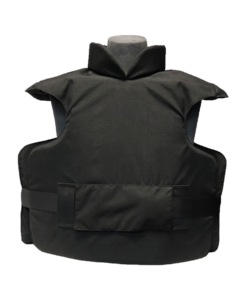
Corrections
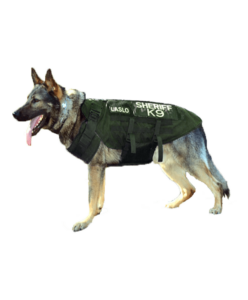
K9