
Correctional Officer Body Armor Guide: Vests for Jail and Prison Staff (2026 Update)
Correctional officers operate in some of the most controlled yet inherently dangerous environments in public safety. Unlike street-based law enforcement, threats inside jails and prisons are close-quarters, unpredictable, and persistent. From improvised weapons to coordinated assaults, correctional staff face daily risks that demand purpose-built protection.
Our Correctional Officer Body Armor Guide explains how to select the right correctional officer body armor in 2026, covering stab-resistant vests, multi-threat protection, comfort for long shifts, and compliance considerations. Whether you manage a county jail, state prison, or detention facility, this guide will help you choose armor that protects staff while supporting operational effectiveness.
Why Correctional Officers Need Specialized Body Armor
Correctional officers operate in one of the most physically demanding and high-risk public safety environments. Unlike patrol or tactical law enforcement roles, corrections work involves prolonged close-contact interaction with inmates, confined spaces, and frequent exposure to improvised weapons.
Standard patrol armor is often not designed to address these unique risks. Specialized correctional officer body armor is engineered specifically to provide protection against stab, spike, and blunt-force threats while maintaining comfort and mobility for long shifts, ensuring officers remain protected without compromising daily operational effectiveness.
Unique Threats in Correctional Environments
Correctional facilities present a threat profile unlike any other public safety setting. Officers work in confined spaces with limited escape routes, often surrounded by individuals who may conceal or improvise weapons. Common threats include:
- Edged and improvised weapons (shanks, sharpened plastic, metal fragments)
- Spike-style puncture attacks
- Blunt-force trauma during fights or cell extractions
- Group assaults in housing units or recreation areas
Because firearms are not typically present inside secure areas, traditional patrol ballistic vests are often not optimized for corrections. Instead, corrections stab vests and multi-threat body armor are designed specifically to defeat edged and spike threats while allowing officers to move freely in tight quarters.
Recent Incidents and Safety Statistics
Across the U.S., assaults on correctional officers remain a significant concern. Many reported incidents involve stabbing or slashing attacks using improvised weapons created from everyday materials. These realities reinforce the need for stab-proof vests for corrections that meet established testing standards and are worn consistently throughout each shift.
Facilities that equip officers with appropriate armor often see reductions in injury severity, workers’ compensation claims, and lost work time — making body armor a safety and operational investment, not just protective equipment.
Correctional facilities that implement NIJ-certified stab- and spike-resistant vests for their staff consistently see measurable reductions in workplace injuries caused by improvised weapons. Safety audits and operational reviews have shown that transitioning from standard ballistic vests to purpose-built corrections armor not only reduces the severity of injuries but also boosts officer morale and compliance with safety protocols. Today, providing certified, corrections-specific body armor is regarded as a best practice for institutional risk management and staff well-being.
Legal and Ethical Responsibilities
Correctional agencies have a legal and ethical duty to provide reasonable protection for their staff. Failure to equip officers with appropriate body armor can expose agencies to liability, especially when threats are well documented. Providing certified body armor for jail staff demonstrates due diligence, supports officer morale, and aligns with evolving workplace safety expectations.
Types of Body Armor for Corrections
When selecting body armor for jail staff and correctional officers, it helps to start with carriers and systems designed specifically for the demands of secure facilities. U.S. Armor’s Corrections options include vests and carriers built to support mobility, comfort, and rapid donning in detention environments — from daily housing unit operations to high‑risk transports and cell extractions.
Here are a few purpose‑built options that agencies frequently choose:
Corrections‑Focused Carriers & Vest Systems
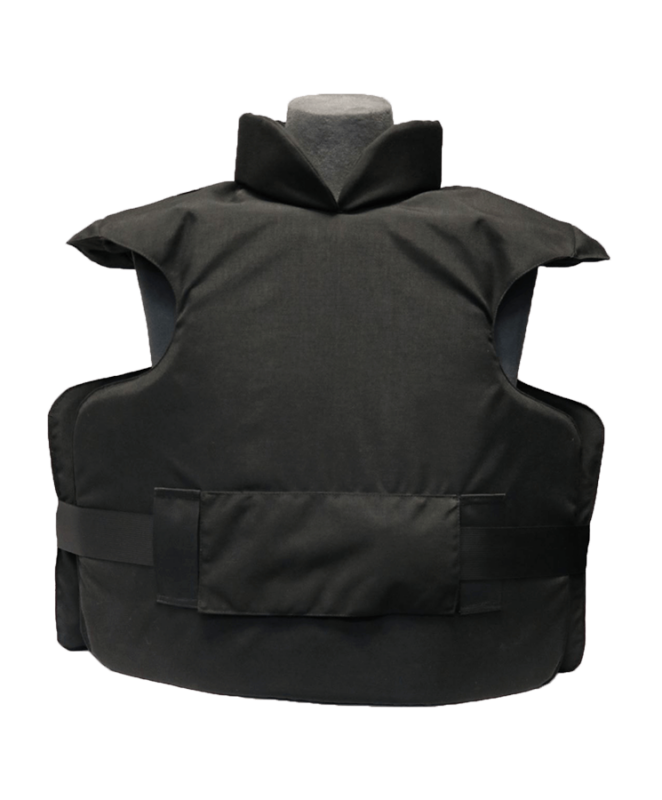
- BSII+2 Multi Threat Vest (NIJ .05) – A versatile multi‑threat vest that combines both ballistic and anti‑stab protection in a concealable profile. This makes it popular for officers who rotate between secure housing units and inmate transport duties.
- Impact Correctional Vest – Designed specifically for correctional environments, this vest delivers full coverage against blunt trauma and edged blade threats. It exceeds Class 3 stab resistance (NIJ‑0115.00) and offers adjustable fit for long‑shift comfort.
- Tactical Correctional Vest G2 – A heavier‑duty correctional carrier built for cell extraction, crowd control, and high‑risk situations. It includes features like extended spike‑protection collars and modular options for groin and neck protection, making it ideal for tactical corrections units.
These carriers are engineered to meet the specific needs of corrections personnel, offering dependable stab and spike resistance, rugged durability, and ergonomic design for officers working long shifts in close‑quarters environments.
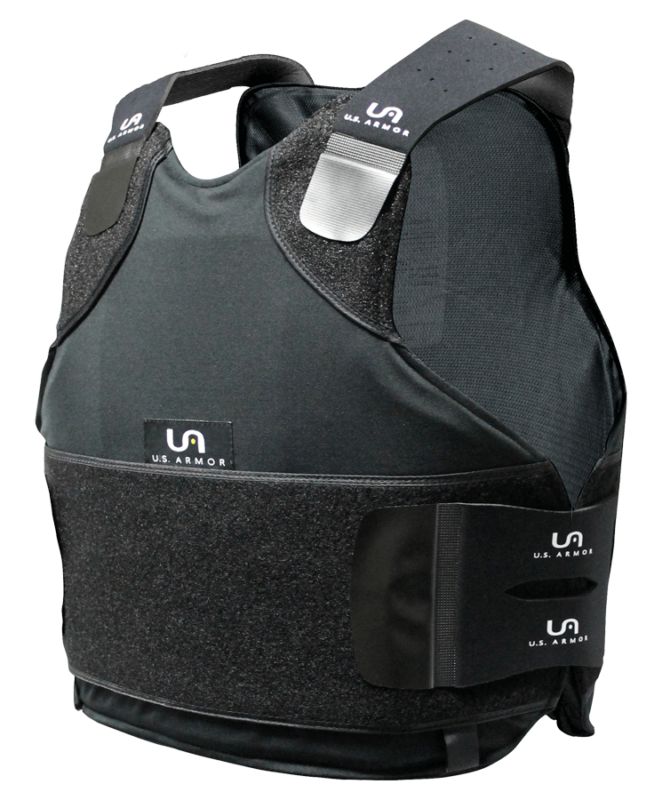
BSII+2 Multi Threat Vest (NIJ .05)
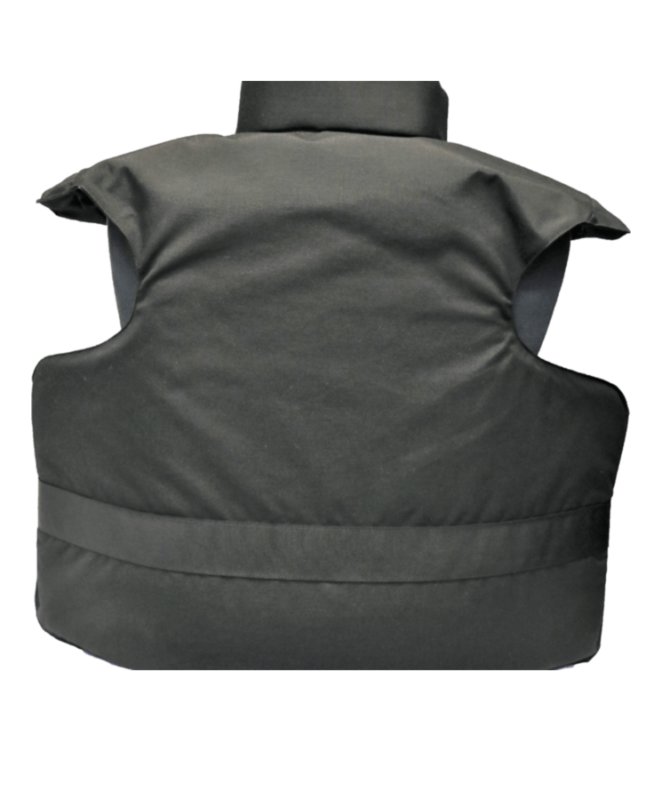
Impact Correctional Vest
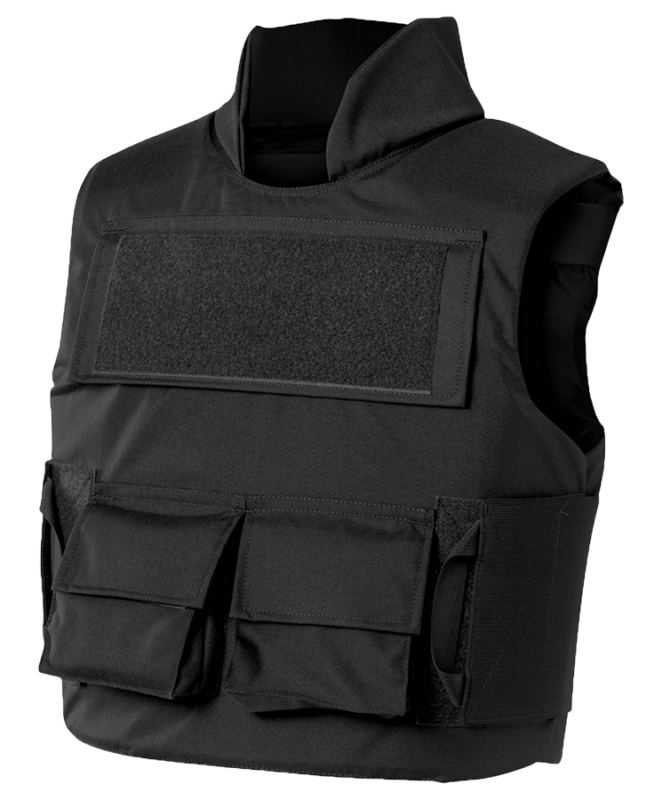
Tactical Correctional Vest G2
Stab-Resistant Vests: NIJ 0115.00 Standards
Most correctional facilities prioritize protection against edged and spike threats. Stab-resistant vests are tested under the NIJ 0115.00 standard, which evaluates armor against:
- Edged blade attacks
- Spike and puncture threats
- Multiple impact points
These vests are typically lighter and more flexible than ballistic armor, making them ideal for full-shift wear. U.S. Armor offers several corrections stab vest options designed to meet NIJ stab and spike standards while maintaining comfort for extended use.
For example, U.S. Armor’s stab-resistant panels can be integrated into concealable carriers worn under uniforms, allowing officers to remain protected without drawing unnecessary attention from inmates:
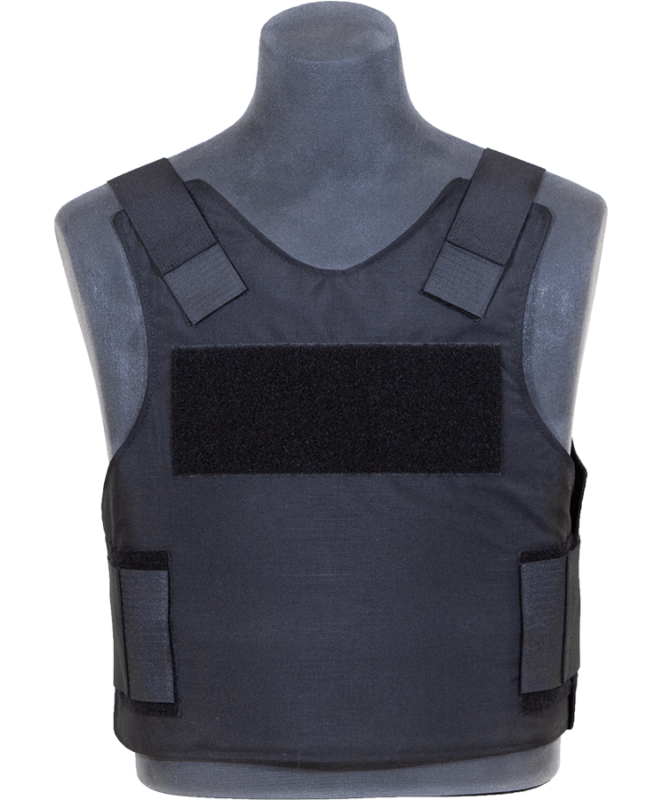
- ACS Concealable Vest – A lightweight panel designed to integrate into a standard uniform carrier, providing NIJ 0115.00-rated protection without adding bulk.
- Ready Vest G2 – An overt carrier compatible with removable stab panels, allowing officers to scale protection as needed.
These panels can be integrated into concealable carriers worn under uniforms, allowing officers to remain protected without drawing unnecessary attention from inmates.
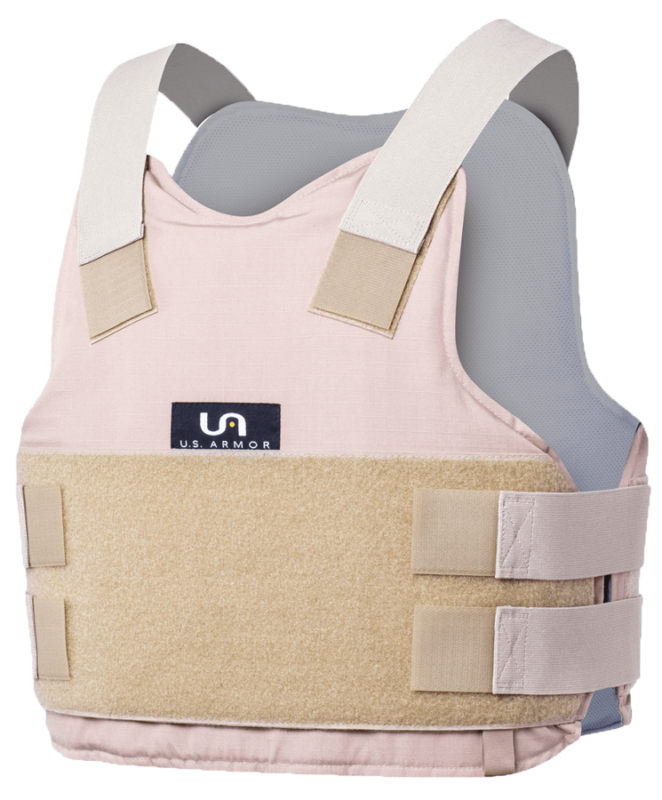
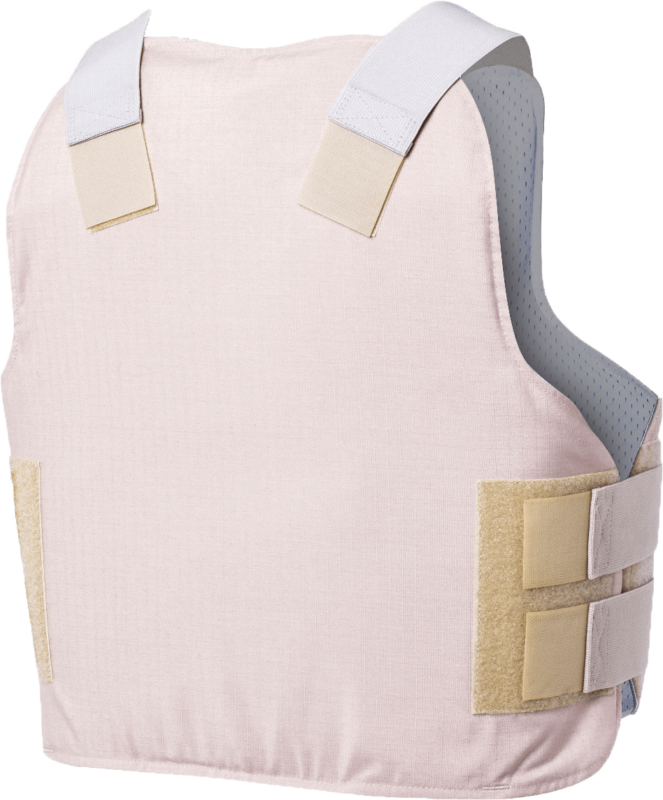
ACS Concealable Body Armor
$0.00The removable ACS machine washable carrier is constructed of anti-microbial, closed-hole mesh fabric with built in two-way stretch on the exterior half of the carrier and moisture wicking (Wikaway) mesh on body side to allow for air flow and evaporation. The carrier is removable from the ballistic panels for laundering. Comfort-Curve ventilated shoulder straps using Breath-O-Prene conform to the natural shoulder shape. The additional width and two-way stretch of the Comfort-Curve shoulder strap system allows for enhanced weight distribution and comfort. The Breath-O-Prene straps are removable; our QC Strap System allows for ease of replacement by an individual, in the event of wear or fatigue.
Whether you’re in tactical operations, law enforcement missions, or personal defense scenarios, this product delivers the strength and protection you need. The ACS Concealable Body Armor is lightweight yet rugged, ensuring prolonged wearability while maintaining peak performance. Engineered to meet the highest industry standards, it is the go-to choice for professionals who demand excellence in protective gear. Stay prepared and secure with the ACS Concealable Body Armor, your ultimate safeguard against evolving threats.
Multi-Threat Vests: Ballistic + Stab/Spike
Some correctional environments — such as transport units, perimeter posts, or mixed-use facilities — require broader protection. Multi-threat body armor combines:
- Ballistic protection (typically NIJ Level II or IIIA)
- Stab and spike resistance
This type of prison officer vest is especially useful for officers who transition between secure housing units and exterior duties. U.S. Armor’s multi-threat panels allow agencies to standardize equipment while addressing varied threat exposures across roles:
- Secure 100 Multi-Threat Carrier – An overt carrier built to hold multi-threat panels with MOLLE attachments for radios, handcuffs, and other duty gear.
Multi-threat solutions ensure that officers are consistently protected without the need for multiple separate vests.
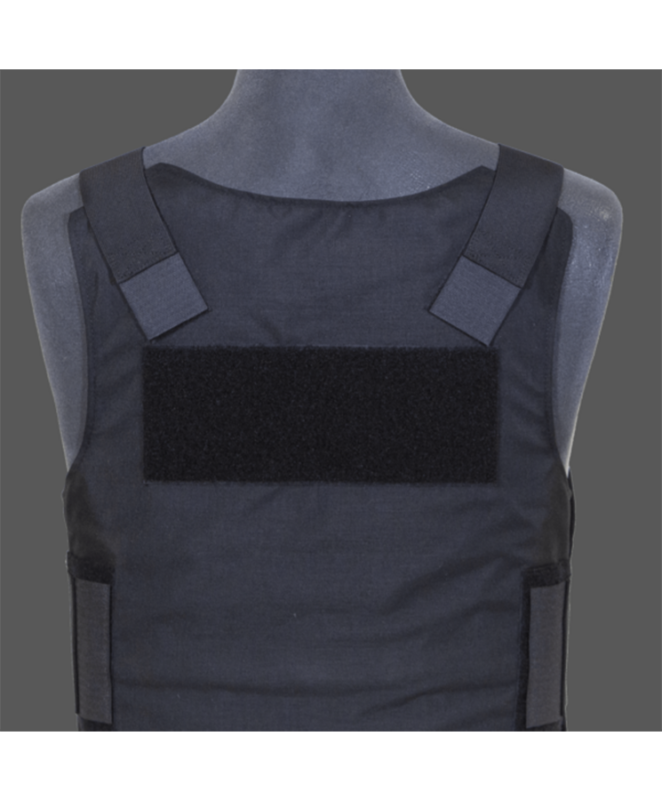
Secure 100
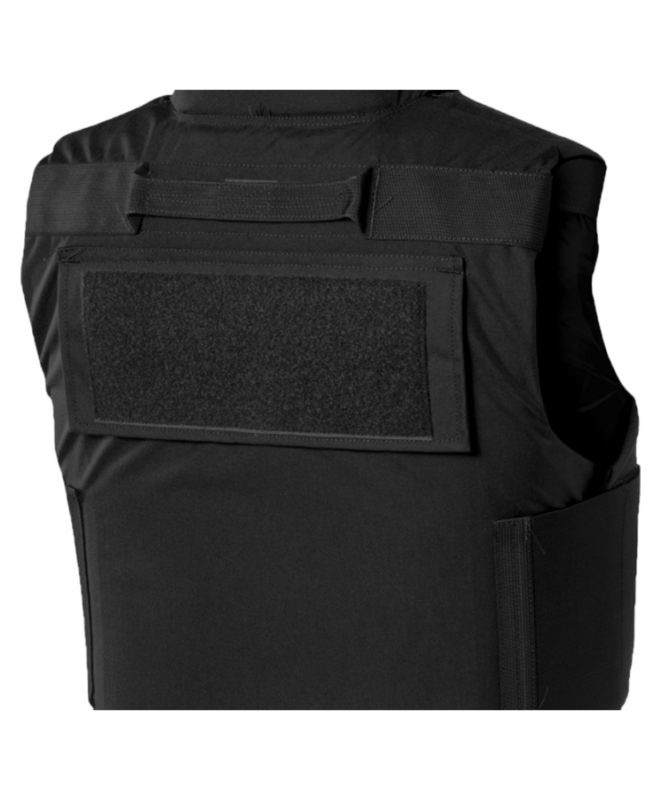
$0.00A solid choice, the Secure-100 offers an external or concealable ballistic carrier for use undercover or for visible deployment. Constructed with 500 deniers Cordura for durability, this outer vest carrier is ideal for fast deployment with a sharp, professional look. Front and rear Velcro loop for ID panels when worn as an external carrier. The Secure 100 Outer Vest Carrier is designed for superior protection and reliability, making it an essential piece of gear for law enforcement, military personnel, and security professionals. Built with high-quality materials and advanced engineering, it provides optimal safety without compromising comfort or mobility.
With a focus on durability, the secure-100 offers enhanced resistance against impact and ballistic threats, ensuring maximum defense in high-risk situations. Whether you’re in tactical operations, law enforcement missions, or personal defense scenarios, this product delivers the strength and protection you need. The secure-100 is lightweight yet rugged, ensuring prolonged wearability while maintaining peak performance. Engineered to meet the highest industry standards, it is the go-to choice for professionals who demand excellence in protective gear. Stay prepared and secure with the Secure 100 Outer Vest Carrier, your ultimate safeguard against evolving threats.
Overt vs. Concealable Vests for Corrections
Corrections armor is available in two primary carrier styles:
- Concealable vests
Worn under the uniform, offering discretion and reducing inmate focus on protective gear. Ideal for daily housing unit operations. Products like ACS-EXP Concealable Vest combine comfort, breathability, and NIJ-rated protection for long shifts. - Overt vests
Worn externally, often used by tactical teams, transport officers, or during disturbances. These carriers allow for easy identification and modular attachments. Examples from U.S. Armor include Ready Vest G2 and Secure 100 Carrier, both compatible with stab, ballistic, or multi-threat panels.
U.S. Armor provides both options, allowing facilities to match carrier style to operational needs while using the same certified armor panels across platforms.
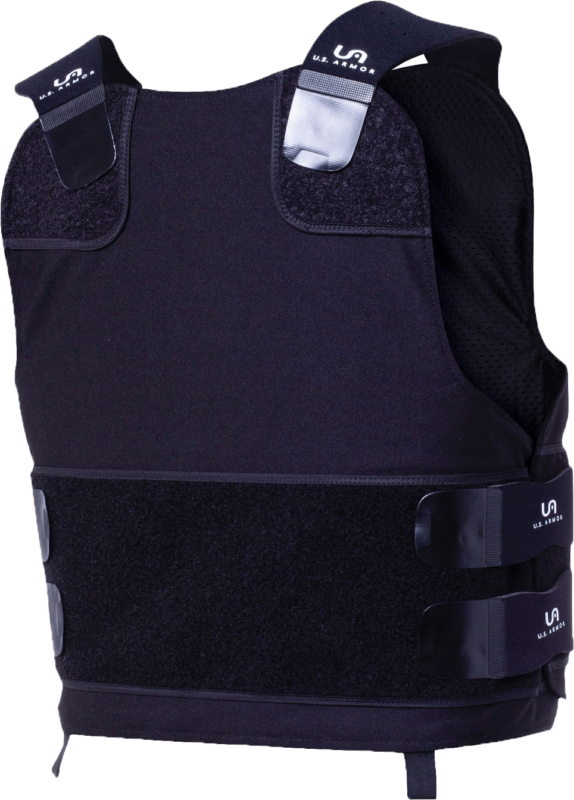
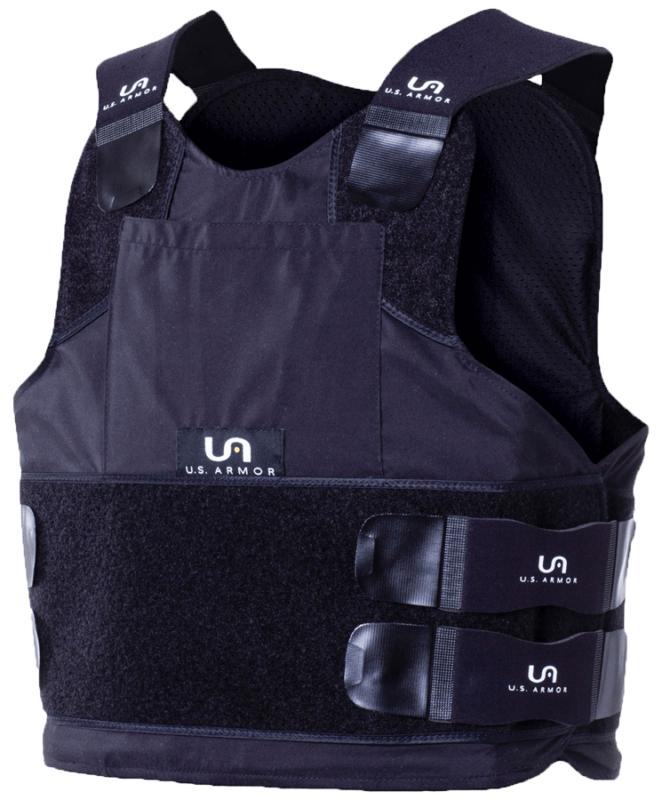
ACS-EXP Concealable Body Armor
$0.00The removable ACS-EXP machine washable carrier is constructed of anti-microbial, closed-hole mesh fabric with built in two way stretch on the exterior half of the carrier and moisture wicking (Wikaway) mesh on body side to allow for air flow and evaporation. The carrier is removable from the ballistic panels for laundering. Comfort-Curve ventilated shoulder straps using Breath-O-Prene conform to the natural shoulder shape. The additional width and two-way stretch of the Comfort-Curve shoulder strap system allows for enhanced weight distribution and comfort. The Breath-O-Prene straps are removable; our QC Strap System allows for ease of replacement by an individual, in the event of wear or fatigue.
Whether you’re in tactical operations, law enforcement missions, or personal defense scenarios, this product delivers the strength and protection you need. The ACS-EXP Concealable Body Armor is lightweight yet rugged, ensuring prolonged wearability while maintaining peak performance. Engineered to meet the highest industry standards, it is the go-to choice for professionals who demand excellence in protective gear. Stay prepared and secure with the ACS-EXP Concealable Body Armor, your ultimate safeguard against evolving threats.
Sizing and Comfort for Shift Wear
Correctional officers wear armor for long shifts — often 8 to 12 hours or more. Poor fit leads to fatigue, reduced mobility, and non-compliance. Key comfort considerations include:
- Proper torso coverage without restricting bending or seated movement
- Breathable carrier materials
- Adjustable shoulder and waist systems
U.S. Armor carriers are designed with ergonomic cuts and moisture-wicking materials to support long-term wear in high-stress environments.
Choosing the Right Vest for Your Facility
Selecting the appropriate correctional officer body armor is a critical decision that affects staff safety, operational efficiency, and long-term compliance. Every facility faces unique challenges based on inmate population, security level, and officer duties.
Choosing the right vest involves evaluating threat exposure, balancing protection with mobility and comfort, and considering budget and grant opportunities. By understanding these factors, administrators can ensure officers are equipped with stab-proof, multi-threat, or ballistic vests that meet the demands of their specific correctional environment.
Assessing Threat Levels (Inmate Population, Facility Type)
Not all facilities face the same risks. Selecting the right correctional officer body armor starts with evaluating:
- Security level (minimum, medium, maximum)
- Inmate history and classification
- Frequency of assaults or contraband discoveries
- Officer roles (housing, transport, intake, perimeter)
Facilities with higher rates of edged weapon incidents may prioritize stab-proof vests for corrections, while others may benefit from multi-threat body armor for broader coverage.
Balancing Protection, Comfort, and Mobility
The most protective vest is ineffective if officers don’t wear it. Agencies should balance:
- Protection level
- Weight and flexibility
- Heat management
- Ease of movement in confined spaces
Many departments choose lighter stab-resistant vests for daily wear and issue heavier multi-threat armor for specialized assignments.
Budgeting and Grant Options for Corrections
Budget constraints are a reality for many correctional agencies. Fortunately, body armor is often eligible for state and federal funding programs. Working with experienced vendors like U.S. Armor can help agencies:
- Identify grant opportunities
- Prepare compliant documentation
- Phase purchases to spread costs over time
This approach allows facilities to improve officer safety without exceeding budget limitations.
Maintenance, Replacement, and Compliance
Proper maintenance, replacement, and compliance are just as important as selecting the right correctional officer body armor. Even the most advanced stab-resistant, multi-threat, or ballistic vests can fail if not inspected, cared for, and replaced according to manufacturer and NIJ guidelines.
Routine inspections, proper cleaning, and secure storage extend the service life of armor and ensure consistent protection for officers.
Inspection Schedules and Service Life
Correctional armor should be inspected regularly for signs of wear or damage. Inspections should include:
- Carrier stitching and closures
- Panel integrity
- Proper fit and placement
Most stab-resistant and ballistic panels have a 5-year service life, though this can vary by manufacturer and materials used.
Cleaning and Storage in High-Use Environments
Correctional environments expose armor to sweat, contaminants, and frequent handling. Best practices include:
- Removing panels before cleaning carriers
- Following manufacturer cleaning instructions
- Storing armor flat in climate-controlled areas
Proper maintenance extends service life and preserves protective performance.
Policy Compliance and Liability Considerations
Armor programs should be supported by written policies covering:
- Issuance and wear requirements
- Inspection and replacement schedules
- Documentation and recordkeeping
Using NIJ-certified corrections body armor and maintaining clear records helps protect agencies from liability and supports accreditation standards.
For a detailed walkthrough of inspection schedules, cleaning best practices, and replacement planning, see our comprehensive body armor maintenance guide. Maintaining proper documentation and following compliance protocols also protects your facility from liability and supports grant or accreditation requirements.
Frequently Asked Questions (2026)
What level of protection do correctional officers need?
The minimum recommended protection for correctional officers is stab- and spike-resistant body armor designed specifically for close-contact threats. Unlike patrol officers, corrections staff face frequent risks from improvised edged weapons, sharpened plastics, and puncture-style attacks in confined spaces.
However, protection needs can vary by role. Officers assigned to inmate transport, perimeter security, intake areas, or court details may also require ballistic or multi-threat body armor that provides handgun protection in addition to stab resistance. Many agencies adopt a tiered approach—issuing stab-resistant vests for daily housing unit operations and multi-threat vests for higher-risk assignments.
Selecting the correct level of protection should be based on facility type, inmate classification, incident history, and officer responsibilities.
How are stab vests tested?
Corrections stab vests are tested under the NIJ 0115.00 standard, which is specifically designed to evaluate armor performance against edged and spike threats commonly encountered in jail and prison environments.
Testing includes:
- Edged blade resistance, simulating knife and shank attacks
- Spike resistance, addressing puncture threats from improvised weapons
- Multiple impact points at defined energy levels
Armor that meets NIJ 0115.00 standards has demonstrated its ability to reduce penetration depth and injury severity during real-world assaults. Agencies should always verify that armor is actively NIJ certified, not simply “tested to NIJ standards.”
Can correctional officers wear ballistic vests?
Yes. Ballistic vests are increasingly used in corrections, particularly in roles where firearm exposure is possible. While firearms are restricted inside secure housing units, officers may encounter ballistic threats during:
- Inmate transport
- Perimeter and tower assignments
- Facility intake and release areas
- Emergency response or mutual aid situations
Many departments choose multi-threat body armor, which combines ballistic protection (typically NIJ Level II or IIIA) with stab and spike resistance. This allows officers to maintain consistent protection across varied duties without switching equipment.
How long do correctional vests last?
Most correctional officer body armor vests have a service life of approximately five years, assuming proper care, storage, and no damage from an assault. This service life applies to both stab-resistant and ballistic panels, though exact timelines may vary by manufacturer and materials used.
Armor should be removed from service immediately if:
- It has stopped a stab, spike, or ballistic threat
- Panels show visible damage, cracking, or deformation
- The vest has exceeded its manufacturer-rated service life
Using expired or damaged armor increases injury risk and can create liability concerns for agencies.
Are there grants for corrections body armor?
Yes. Body armor for jail and prison staff is often eligible for funding through state and federal officer safety programs. While many grants are associated with law enforcement, correctional agencies frequently qualify under public safety and workforce protection initiatives.
Working with experienced vendors like U.S. Armor can simplify the process. Support may include:
- Identifying applicable grant programs
- Providing compliant product documentation
- Assisting with quotes and specification language
Grant-supported armor programs allow agencies to improve officer safety while managing budget constraints.
How should vests be cleaned in a jail setting?
Proper cleaning is essential in high-use correctional environments. Armor carriers should be cleaned regularly according to manufacturer guidelines to manage sweat, bacteria, and contaminants commonly encountered in facilities.
Best practices include:
- Removing armor panels before cleaning carriers
- Hand washing or machine washing carriers only if permitted
- Air drying carriers completely before reuse
- Never submerging, machine washing, or dry cleaning armor panels
Improper cleaning can degrade protective materials and reduce the vest’s effective lifespan.
Protect Your Facility with U.S. Armor
Correctional environments demand body armor that is purpose-built for close-contact threats, extended wear, and institutional compliance. U.S. Armor provides a full range of correctional officer body armor, including stab-resistant vests, ballistic protection, and multi-threat systems designed to meet NIJ standards and withstand daily use in jails and prisons.
By working with U.S. Armor, agencies gain access to:
- Certified, corrections-specific armor solutions
- Proper documentation for audits and compliance
- Support for grants, procurement, and fleet-wide deployment
Request a quote from U.S. Armor to equip your corrections team with reliable, compliant body armor that enhances officer safety, operational readiness, and long-term risk management.