
Decoding NIJ Ratings: What Every Buyer Should Understand Before Buying Armor
If you’ve ever tried to buy body armor and felt like you needed a decoder ring just to understand the labels, you’re not alone. NIJ ratings get thrown around a lot—Level IIIA, Level IV, multi-hit, special threat—but very few people explain what they actually mean in real life.
Let’s fix that.
This guide breaks down NIJ armor levels, what they protect against, what they don’t, and how to choose the right armor for your needs—whether you’re a civilian buyer, professional user, or just doing smart research before investing in plates from places like https://usarmor.com/product-category/plates/.
What Is NIJ—and Why It Actually Matters
NIJ stands for National Institute of Justice, a U.S. government agency that sets standardized testing protocols for body armor. When you see an armor plate labeled “NIJ Certified,” it means:
- The armor was tested against specific threats
- Under controlled lab conditions
- Using defined ammunition, velocities, and distances
In short: NIJ ratings give buyers a baseline of trust. They don’t tell the whole story (we’ll get to that), but without them, armor marketing would be the Wild West.
If you’re looking for an NIJ rating explained in simple terms, think of it as a shared language between manufacturers and buyers.
Level II & Level IIIA Explained (Handgun Protection)
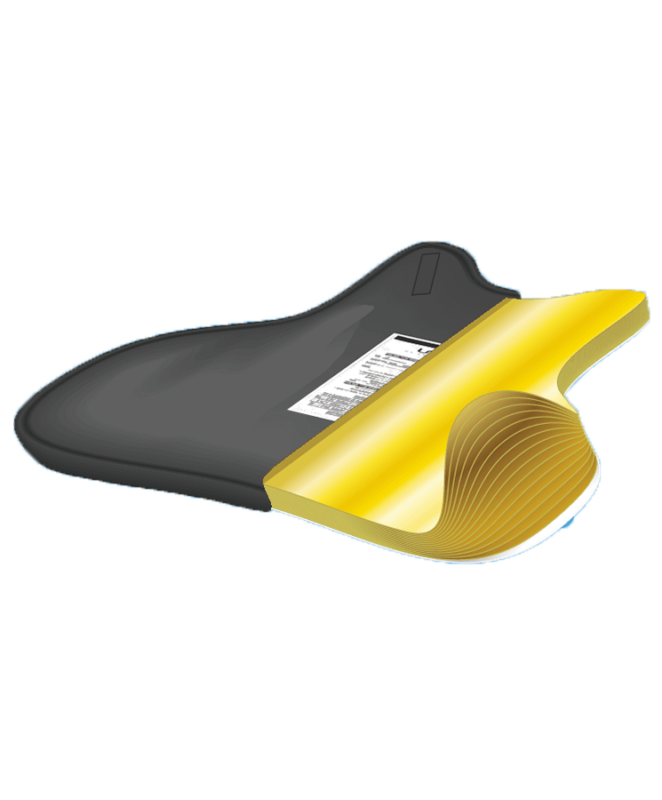
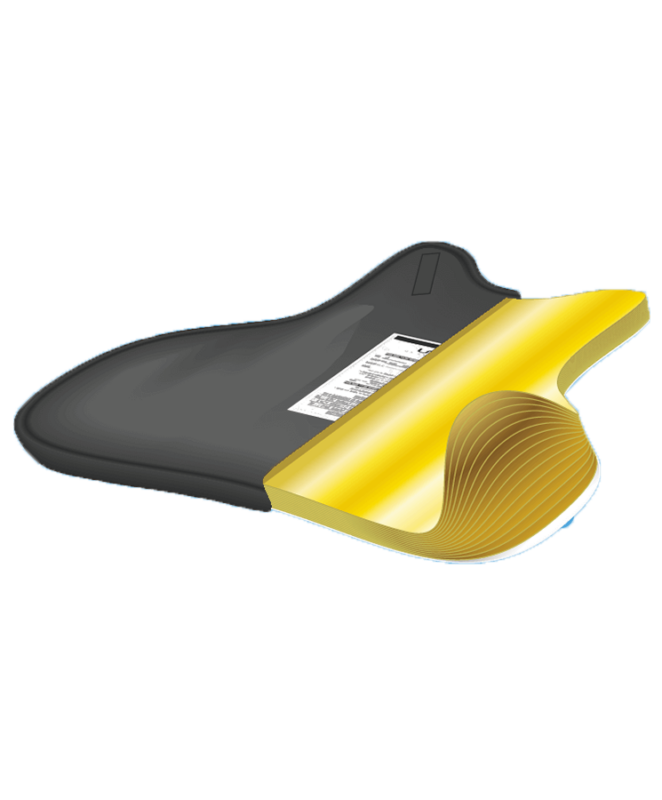
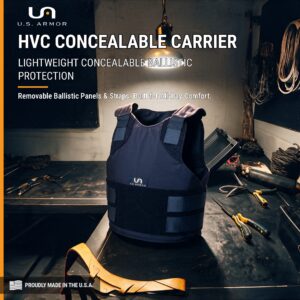
These are the most common soft armor ratings and are designed to stop handgun threats.
Level II
- Protects against common handgun rounds like 9mm and .357 Magnum
- Thinner and lighter
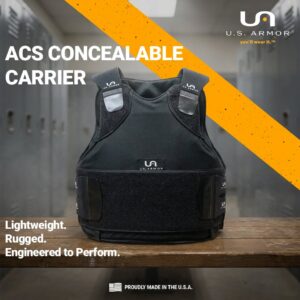
- Often used for concealed wear
Level IIIA
- Stops higher-velocity handgun threats like .44 Magnum
- The highest NIJ handgun rating
- Common in law enforcement vests and civilian defensive armor
What they don’t stop:
Rifle rounds. Even a basic rifle round will defeat Level II or IIIA armor.
If your primary concern is everyday defensive carry or urban threats, IIIA is often the sweet spot in the body armor protection levels lineup.
Rifle-Level Ratings: Level III vs Level IV
Once rifles enter the conversation, everything changes.
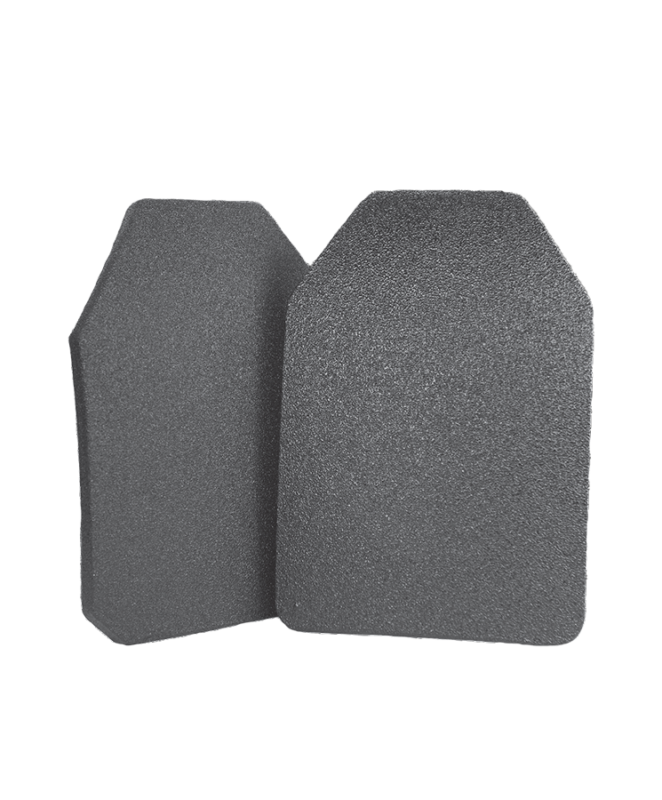
Level III
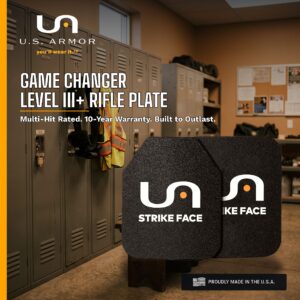
- Rated to stop 7.62x51mm NATO (.308)
- Usually made from ceramic, polyethylene, or hybrid materials
- Lighter than Level IV, but still serious protection
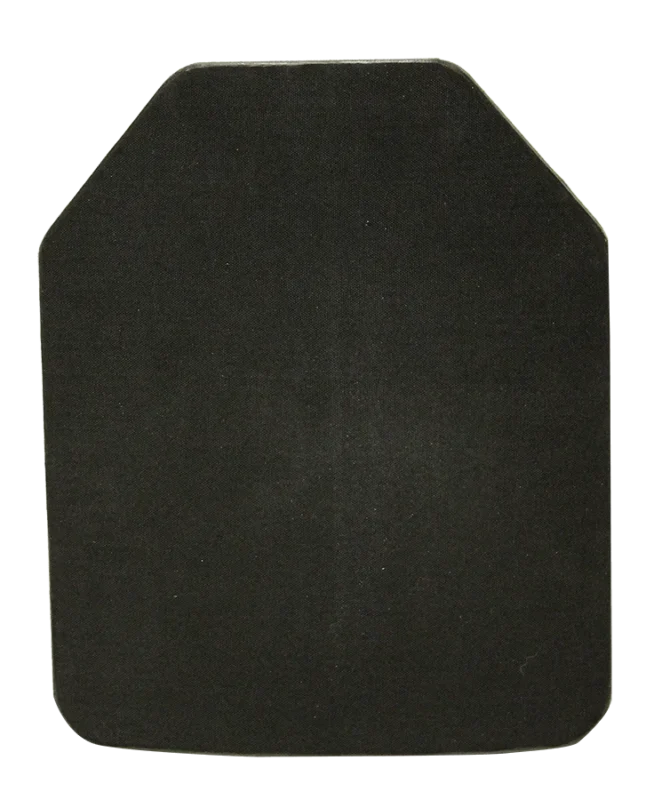
Level IV
- Stops armor-piercing .30-06 rounds
- Highest NIJ certification available
- Heavier, thicker, and built for extreme threats
If you’re browsing rifle plates at https://usarmor.com/product-category/plates/, this is where most buyers pause and ask, “How much protection is enough?”
BSII+2 Multi Threat Vest (NIJ .05)
Enforcer XP Series Model 1316M – NIJ 0101.06 – Level IIIA
Model 3800C – Level III Rifle Plate
TB3 – NIJ Blade Level 3 ICW Plate
Multi-Threat Armor Explained
Here’s where things get nuanced.
Multi-threat armor is designed to handle:
- Handgun rounds
- Rifle rounds
- Fragmentation or shrapnel
- Multiple impacts
NIJ ratings test specific rounds—but real life isn’t so polite. Multi-threat plates are built to bridge the gap between lab tests and unpredictable scenarios.
This is especially important if you want armor that can adapt across different environments instead of being optimized for just one threat type.
100 Series ICW Rifle Plate – Level III
Enforcer XLT Model XLT3A – NIJ 0101.05 – Level IIIA
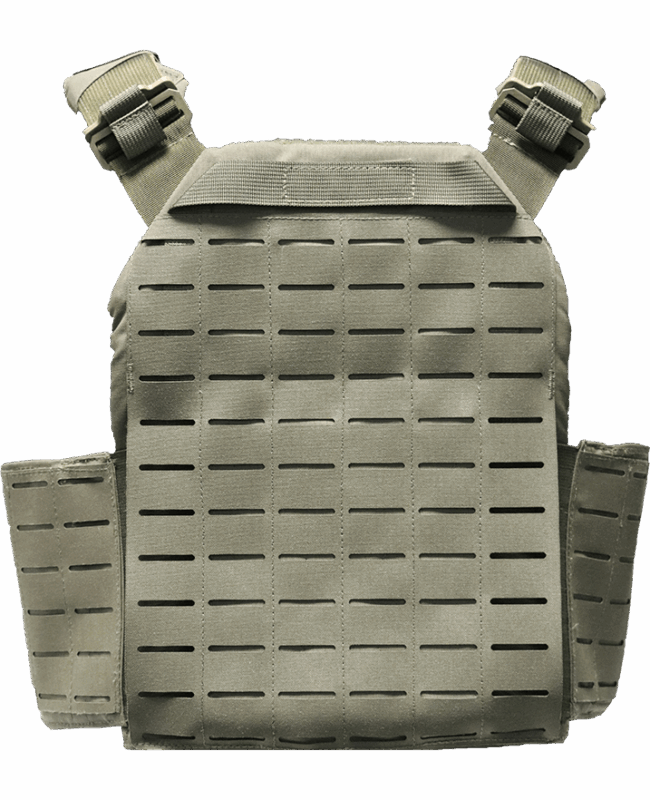
G-FORCE PC – Rifle Plate Carrier Platform
Spike Level 3 Vest – (CR2‐21)
Teen vs Adult Threats: Why Context Matters
This isn’t discussed nearly enough.
NIJ testing is based on adult firearm threats, full-power ammunition, and standardized barrels. But real-world threats vary:
- Teens and younger shooters may use lower-caliber or lower-velocity firearms
- Criminals often use non-standard ammo
- Engagement distances may differ drastically
This doesn’t mean NIJ ratings are irrelevant—it means context matters. Understanding who and what you’re realistically preparing for helps you choose smarter, not heavier.
The Limitations of NIJ Ratings
Here’s the honest part that most marketing skips.
NIJ ratings do not account for:
- Shot placement across plate edges
- Degradation over time or environmental exposure
- Behind-armor blunt force trauma
- Non-standard or emerging ammunition types
NIJ testing is a floor, not a ceiling.
That’s why experienced buyers look beyond the label and consider materials, construction, weight, and real-world testing data.
Rating vs Real-World Performance
This is the key takeaway.
An armor plate can be:
- NIJ certified
- Technically “rated”
- And still be a poor fit for your needs
Real-world performance depends on:
- Proper fit and coverage
- Plate shape and curvature
- Weight and mobility trade-offs
- Whether you’ll actually wear it when it matters
The best armor is the armor you can move in, wear consistently, and trust—not just the highest number on the spec sheet.
How to Choose the Right NIJ Armor Level for You
Before you buy body armor, ask yourself:
- What threats am I realistically preparing for?
- Do I prioritize mobility or maximum protection?
- Will this be worn occasionally or for extended periods?
- Do I need standalone plates or plates designed for use with soft armor?
From there, browsing reputable options—like the rifle and ballistic plates available at https://usarmor.com/product-category/plates/ becomes a lot less overwhelming.
Understanding NIJ armor levels isn’t about memorizing charts, it’s about matching protection to purpose. Once you grasp how NIJ ratings work, their limitations, and how they translate into real-world performance, you’re no longer guessing. You’re choosing intentionally.
And that’s the difference between buying armor—and buying the right armor.
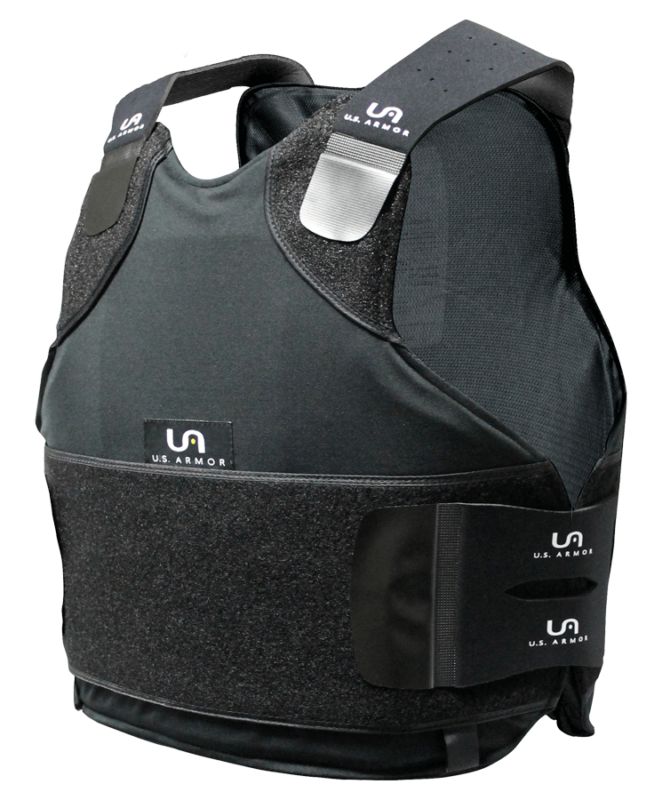
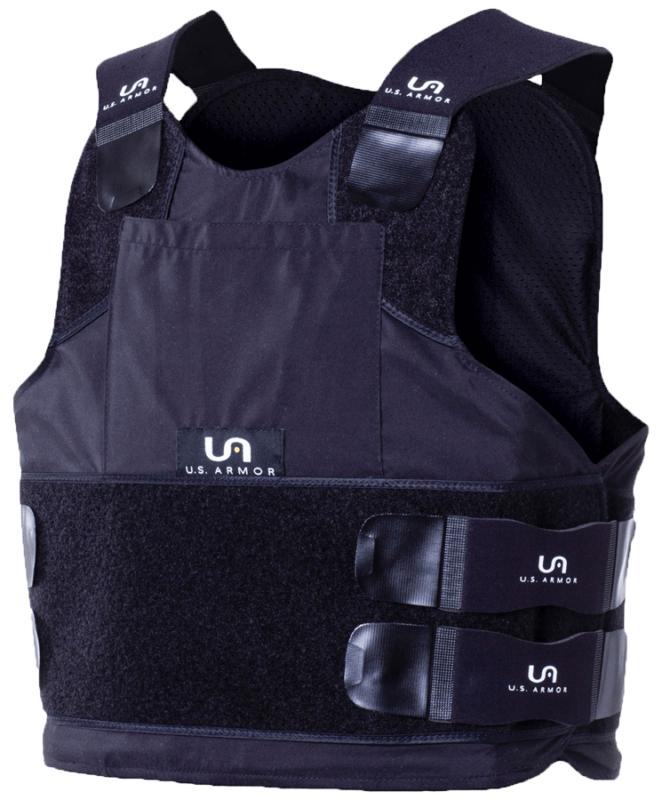
ACS Concealable Body Armor
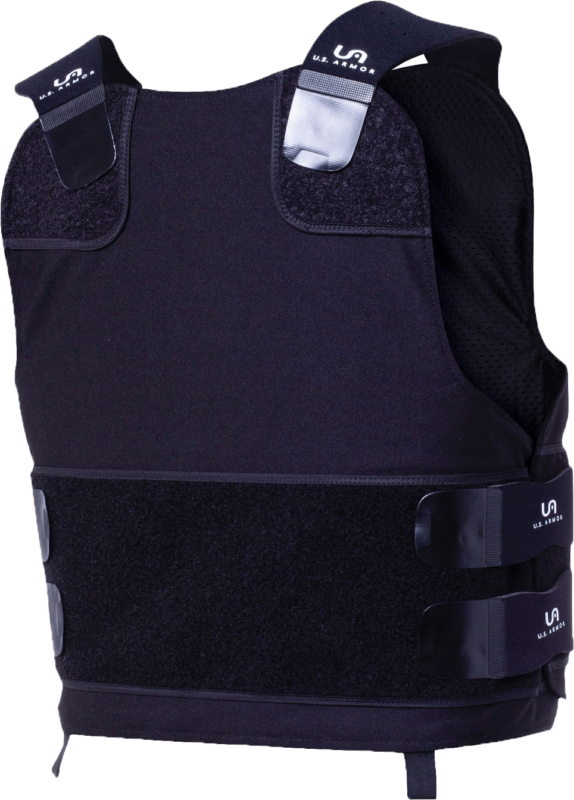
ACS-EXP Concealable Body Armor
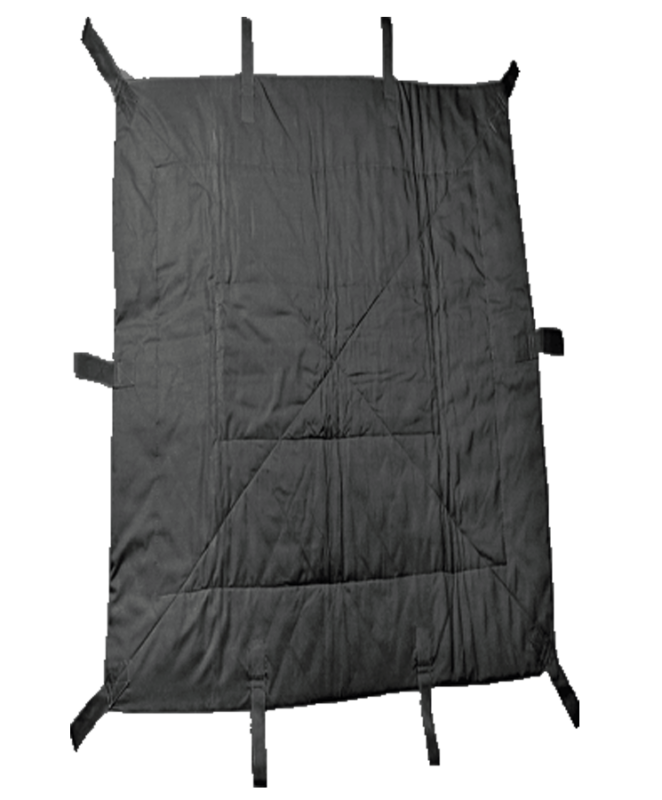
Ballistic Blankets
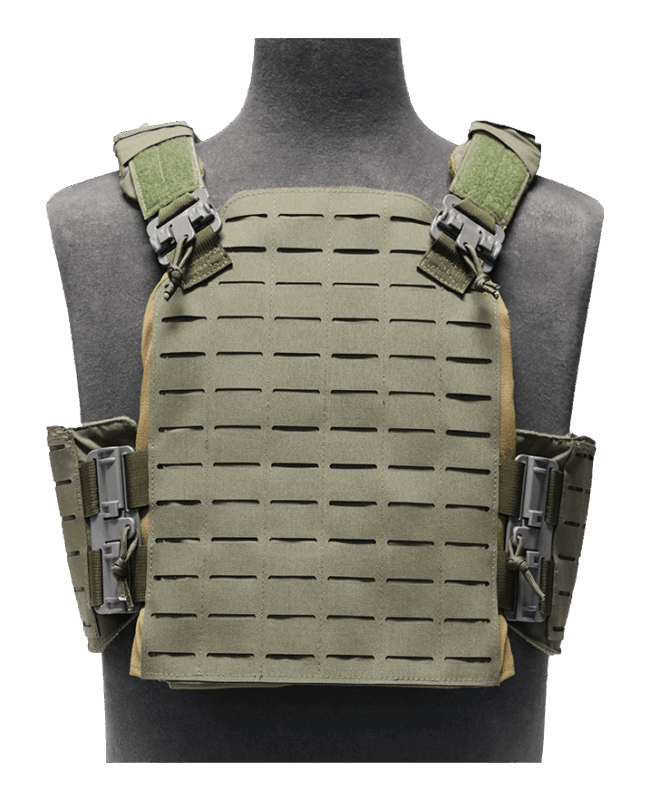
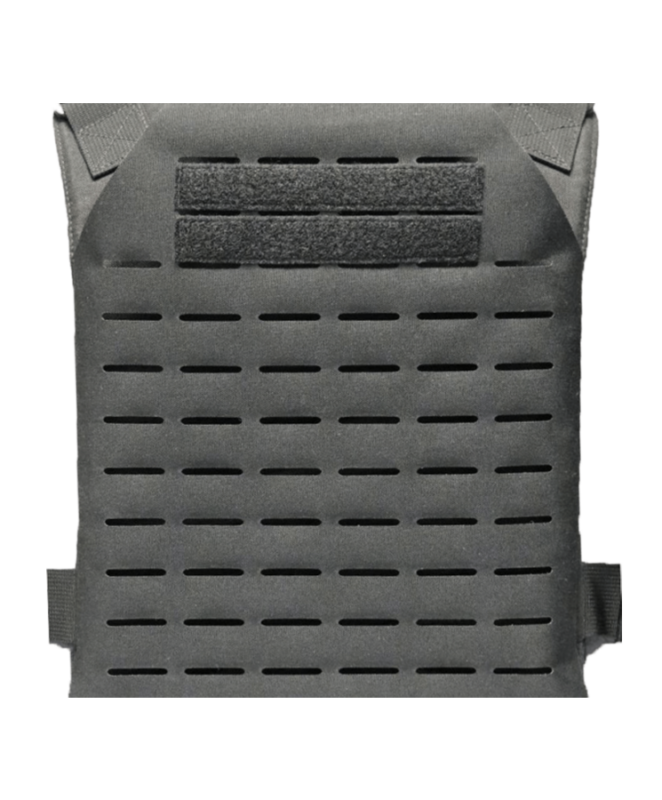
LPC – Lightweight Plate Carrier
Frequently Asked Questions
What does NIJ stand for and who sets these standards
NIJ stands for National Institute of Justice, a U.S. government agency that establishes standardized testing protocols for body armor. Their certification gives buyers a reliable baseline for comparing armor across manufacturers.
What is the difference between Level II and Level IIIA armor?
Both are soft armor rated for handgun threats. Level II is lighter and stops common rounds like 9mm and .357 Magnum, making it popular for concealed wear. Level IIIA stops higher-velocity rounds like .44 Magnum and is the highest NIJ-rated handgun protection available.
Will Level IIIA soft armor stop a rifle round?
No. Even a basic rifle round will defeat Level II or IIIA armor. If rifle protection is a concern, you need a hard plate rated at Level III or Level IV.
What is the difference between Level III and Level IV plates?
Level III plates are rated to stop 7.62x51mm NATO (.308) rounds and are typically lighter. Level IV plates stop armor-piercing .30-06 rounds and represent the highest NIJ certification available, though they are heavier and thicker.
What is multi-threat armor and when does it make sense?
Multi-threat armor is designed to handle a combination of handgun rounds, rifle rounds, fragmentation, and multiple impacts. It's a good choice when you need armor that can adapt across different environments rather than being optimized for a single threat type.
Does NIJ certification guarantee real-world performance?
Not entirely. NIJ certification is a tested baseline, not a ceiling. It doesn't account for shot placement at plate edges, environmental degradation over time, behind-armor blunt force trauma, or non-standard ammunition types.
Are NIJ ratings based on all possible real-world threats
No. NIJ testing uses standardized adult threats, full-power ammunition, and defined barrel lengths. Real-world scenarios can involve lower-caliber firearms, non-standard ammo, or varying engagement distances that fall outside those parameters.
What factors beyond NIJ rating should I consider when buying armor?
Look at the materials and construction quality, plate shape and curvature for your body, overall weight and how it affects mobility, and whether the plate is standalone or designed to pair with soft armor backing.
Does a higher NIJ rating always mean better armor for my needs?
Not necessarily. The best armor is the one you'll actually wear consistently and can move in effectively. A Level IV plate offers maximum protection but may be impractical for everyday use due to weight, while Level IIIA might be a smarter fit for lower-threat environments.
How do I choose the right NIJ protection level?
Start by honestly assessing your realistic threat environment, how long and often you'll wear the armor, and whether you prioritize mobility or maximum protection. Matching the rating to your actual use case is more important than defaulting to the highest available certification.