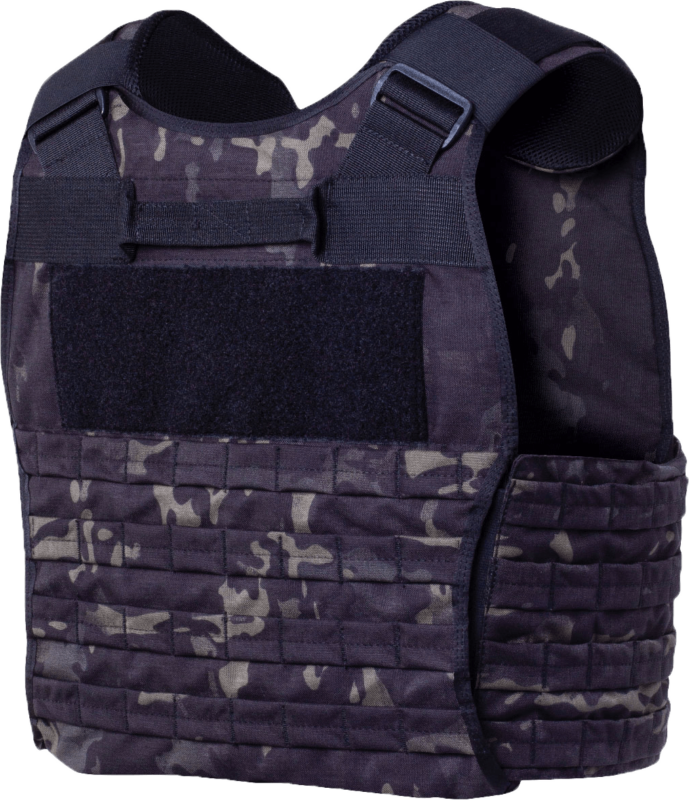

Active Shooter Body Armor: Essential Protection for First Responders (2026 Guide)
Active shooter incidents continue to challenge even the most prepared response teams. These high-risk events require more than courage and training — they demand reliable active shooter body armor engineered for modern threats. Whether you’re outfitting patrol officers, EMS personnel entering a warm zone, or school safety teams, this guide explains exactly how to choose and maintain the best body armor for active shooter response in 2026.
We’ll break down threats, protection levels, armor types, practical selection tips, and real-world product examples from U.S. Armor and other vendors to give you confidence in your armor decisions.
Why Active Shooter Body Armor Matters
Active shooter incidents present some of the most dangerous and unpredictable environments first responders will ever face. These events often unfold rapidly, involve high-powered firearms, and require immediate action to stop the threat and provide life-saving aid.
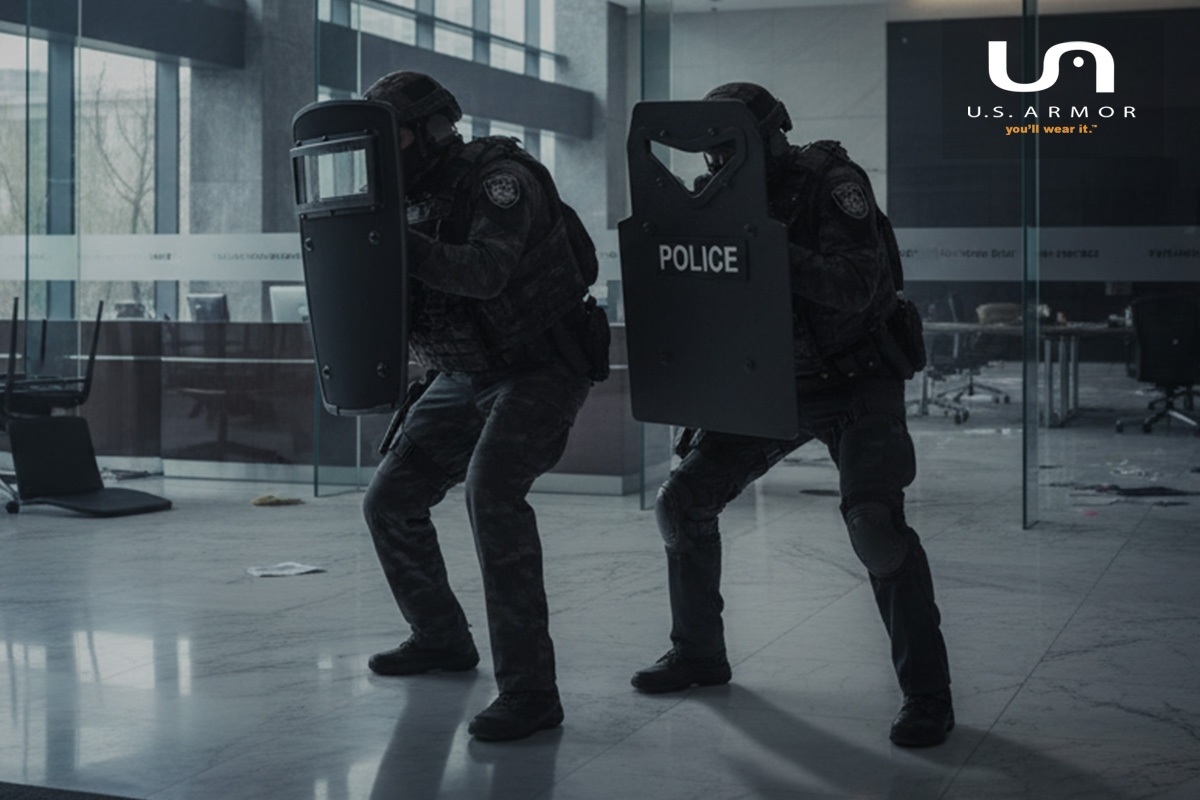
In these conditions, active shooter body armor is not simply protective equipment—it is a critical safety system that directly impacts survivability, response effectiveness, and operational confidence. Properly selected body armor allows law enforcement, EMS, fire, and security personnel to operate closer to the threat with reduced risk, supporting faster intervention and better outcomes during high-risk incidents.
The Rise of Active Shooter Incidents: Recent Trends & Statistics
Active shooter incidents have occurred in diverse settings — schools, hospitals, businesses, houses of worship, and public events — making it clear that no organization is immune. Response doctrine now emphasizes rapid engagement and casualty care, leading responders directly into danger zones where rifle-level threats are common. Because of this, standard patrol gear often isn’t enough; an active shooter vest is essential for survival and mission success.
Agencies that equip first responders with scalable, rifle-rated body armor consistently report higher responder confidence, improved safety outcomes, and faster intervention during high-threat incidents. Modern best practices emphasize staging plate carriers and rifle plates in patrol vehicles and command posts, ensuring that all personnel—from law enforcement to EMS—can rapidly upgrade their protection when entering active shooter scenes. This proactive approach is now widely recognized as a critical factor in minimizing injuries and improving overall incident response.
Who Needs Specialized Armor? (Police, EMS, Security, Schools)
Traditionally, ballistic vests were almost exclusively for law enforcement. In 2026, however, a broader range of first responders uses ballistic protection:
- Police and SWAT teams outfitted with overt carriers and rifle plates.
- EMS teams and fire rescue units wearing high-visibility carriers with soft or hard armor to support casualty care under threat.
- School resource officers and administrators investing in ready kits staged for emergencies.
- Private security and event staff preparing for mass gatherings.
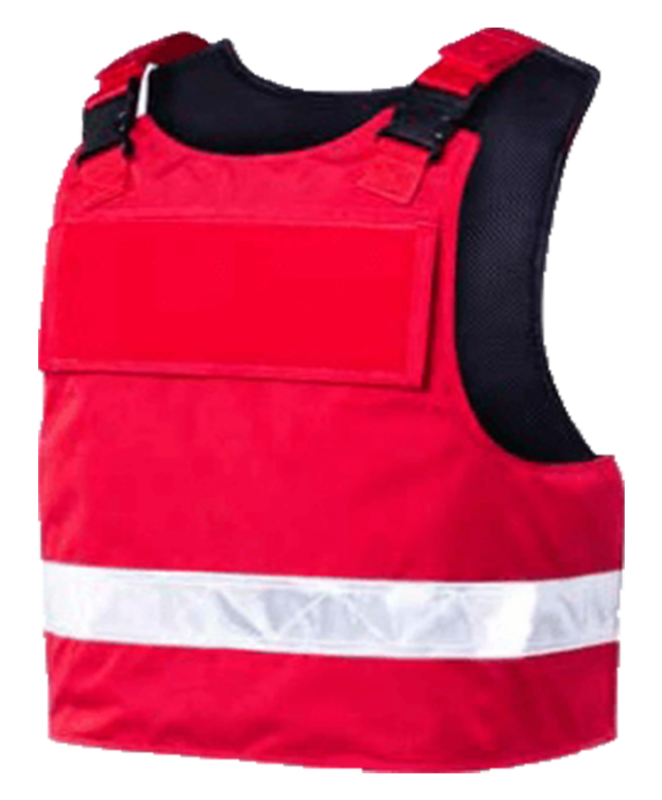
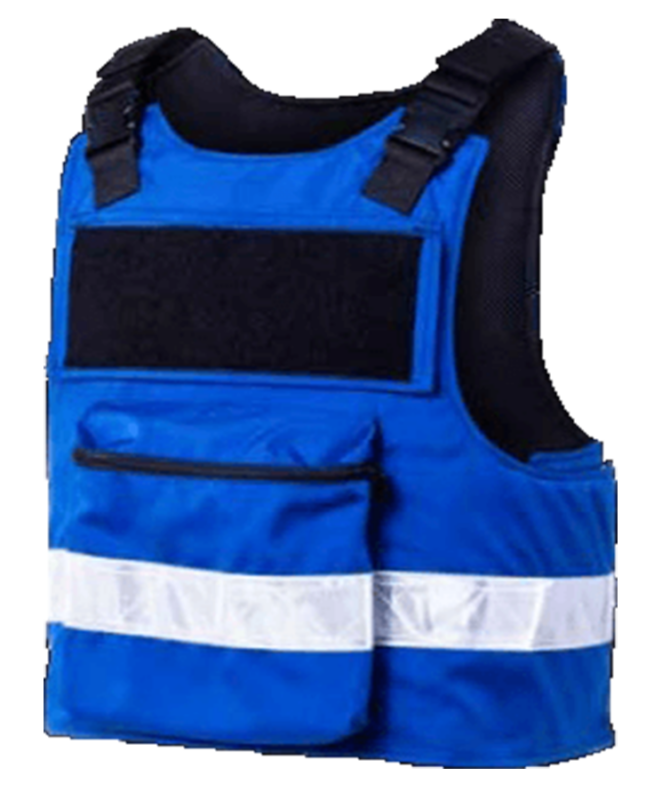
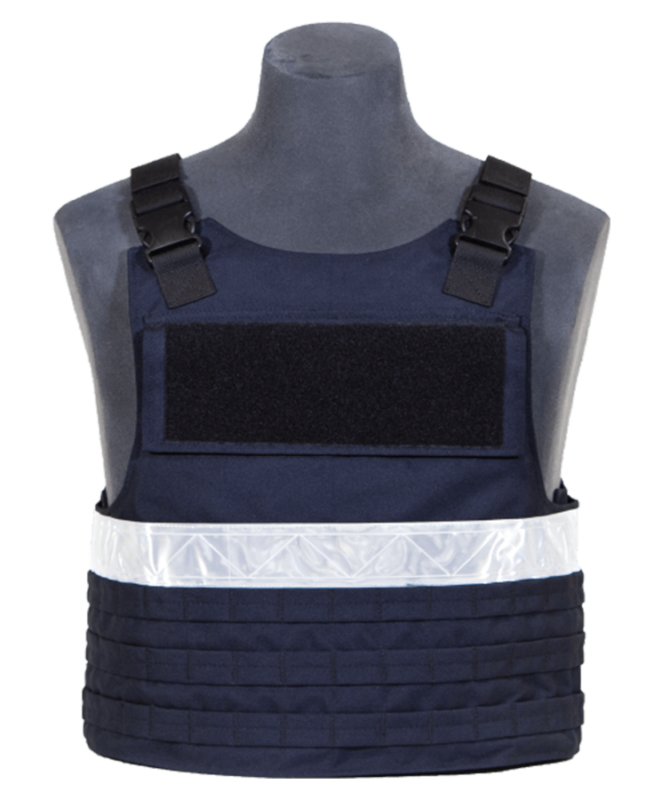
For example, the U.S. Armor Fire-EMS carriers provide high visibility and modular mounting options for radios and medical gear while still offering ballistic panel protection. These are designed specifically for fire and EMS roles where scene visibility matters as much as threat protection.
Fire 100 Carrier
Fire 200 Carrier
Fire 500 Carrier
Emotional Impact and Duty of Care
Providing effective armor reinforces a department’s commitment to safety and can reduce stress for responders entering high-threat environments. Agencies must consider not just whether armor is required, but what level is appropriate based on likely threats, duties, and response timelines.
Understanding Threat Levels in Active Shooter Events
Effective active shooter response begins with a clear understanding of the threats responders are most likely to face. Firearm types, ammunition capabilities, and engagement distances can vary significantly from one incident to the next, directly influencing the level of protection required.
By understanding common threat profiles and how they align with NIJ protection levels, agencies can select active shooter body armor that provides appropriate ballistic resistance without unnecessarily sacrificing mobility or response speed.
Typical Firearms and Ammunition Used
Active shooters may use a wide range of weaponry — from handguns (9mm, .40 S&W) to semi-auto rifles (5.56 NATO, 7.62×39). Armor designed only for handgun threats may leave responders vulnerable if rifle calibers appear, making the choice of ballistic panels and carriers critical.
NIJ Protection Levels Explained (IIIA, III, IV)
The NIJ (National Institute of Justice) standard is the benchmark for ballistic protection:
- Level IIIA – Soft armor capable of stopping most handgun rounds up to .44 Magnum. Ideal for everyday wear or as a core component of a layered system.
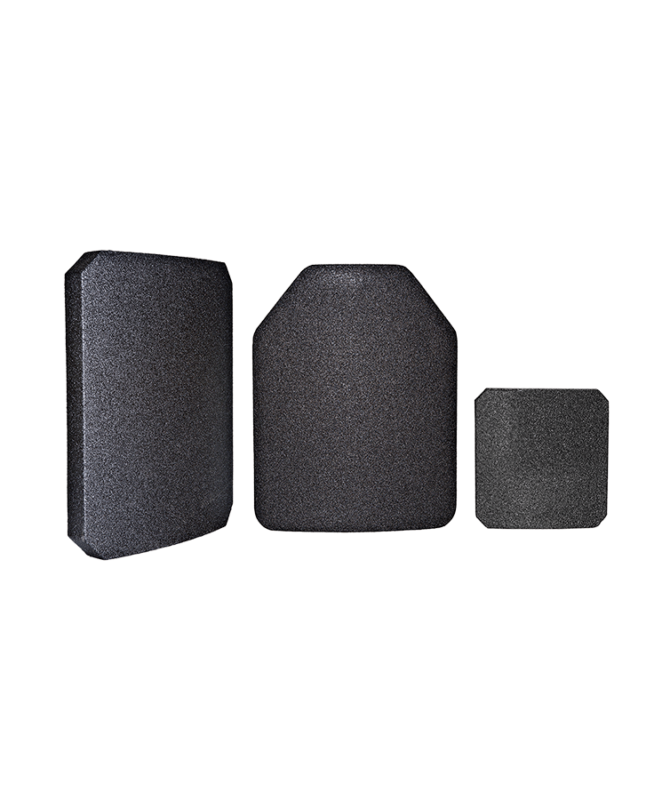
- Level III – Rifle protection against intermediate calibers like 7.62×51 NATO. Often used in plate carrier active shooter setups.
- Level IV – Highest NIJ level, designed to defeat armor-piercing rifle rounds. Best for tactical teams and extended engagements.
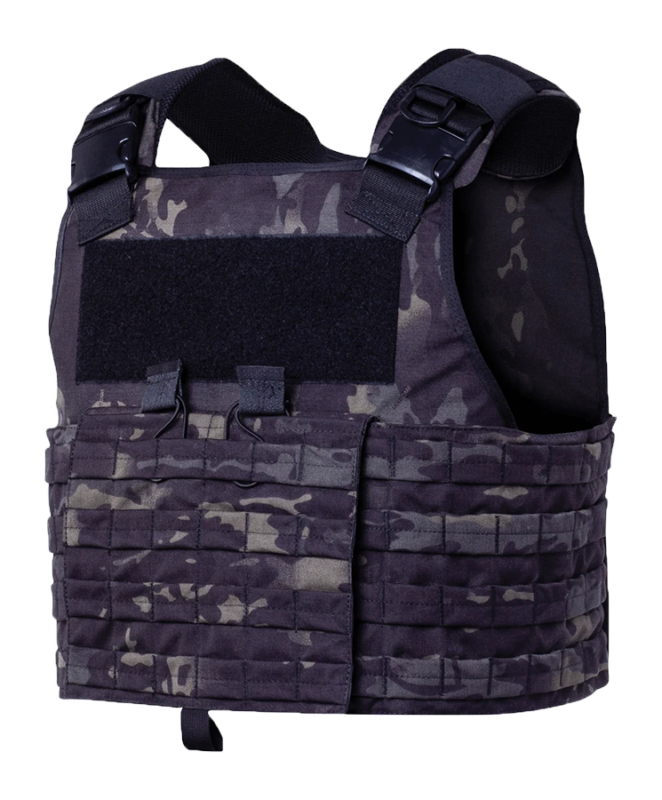
Products like the U.S. Armor ERPC G2 Extended Rifle Plate Carrier can be configured with Level IIIA panels for multi-mission utility or upgraded with hard plates for rifle protection when risk dictates.
ERPC G2 – Extended Rifle Plate Carrier
$0.00Designed to be worn in conjunction with an officer’s concealable soft body armor in a first responder situation or extended deployment. The ERPC-G2-Extended-Rifle-Plate-Carrier can be worn over top of the officer’s soft body armor protection in order to provide a higher level of protection in the event of an active shooter situation or when responding into a high threat environment. The ERPC-G2-Extended-Rifle-Plate-Carrier can be fitted with full size NIJ Certified IIIA Ballistic panels (front/back and sides) creating a “Stand Alone” IIIA tactical vest platform to build upon. The ERPC G2 can also be fitted with Threat Level IIIA Ballistic inserts that also provide “stand alone” IIIA ballistic protection level or additional protection when used behind a Rifle Plate.
The ERPC-G2-Extended-Rifle-Plate-Carrier is designed for superior protection and reliability, making it an essential piece of gear for law enforcement, military personnel, and security professionals. Built with high-quality materials and advanced engineering, it provides optimal safety without compromising comfort or mobility. With a focus on durability, the erpc-g2—extended-rifle-plate-carrier offers enhanced resistance against impact and ballistic threats, ensuring maximum defense in high-risk situations. Whether you’re in tactical operations, law enforcement missions, or personal defense scenarios, this product delivers the strength and protection you need.
Ballistic vs. Stab/Spike Threats
In some environments (like corrections or transportation), dangers include edged weapons or blunt trauma. While this guide focuses on ballistic threats, certain carriers (e.g., multi-threat vests) offer combined protections when these risks are present.
Types of Body Armor for Active Shooter Response
Not all body armor is designed to address the unique demands of an active shooter incident. These events require protection that can be rapidly deployed, withstand high-velocity threats, and still allow responders to move, communicate, and perform critical tasks under extreme stress.
Understanding the different types of active shooter body armor—including soft armor, hard armor plates, and plate carrier systems—helps agencies and first responders select configurations that align with their threat environment, response role, and operational priorities.
Soft Armor: Pros, Cons, and Use Cases
Soft armor panels (NIJ Level IIIA) are lightweight, flexible, and comfortable for prolonged wear. They are ideal for:
- EMS crews in warm zones
- Security teams in lower-threat environments
- Concealable protection under uniforms
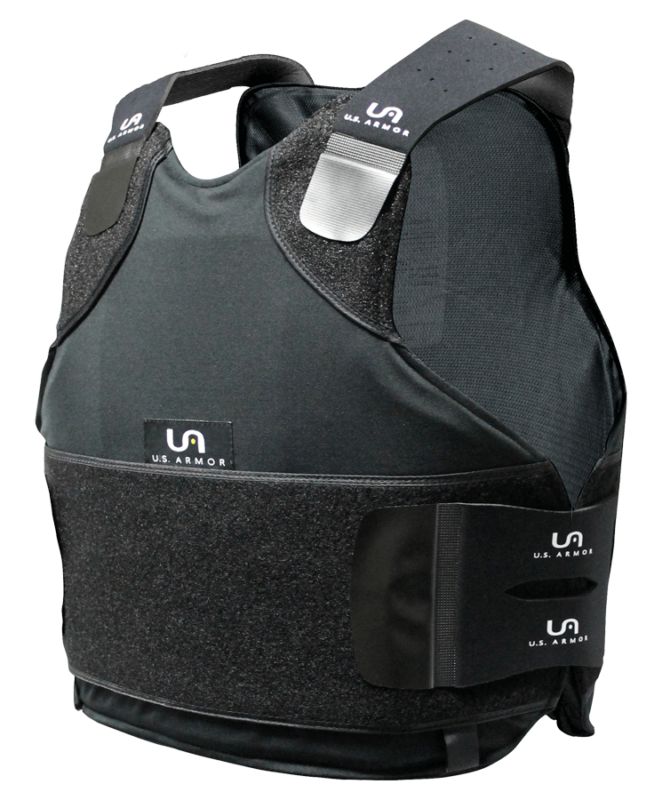
For example, ACS Concealable Body Armor by U.S. Armor offers moisture-wicking, breathable carrier construction with removable panels that balance comfort with ballistic defense. However, soft armor alone won’t stop rifle rounds — making it best when paired with hard plates for active shooter duty.
ACS Concealable Body Armor
$0.00The removable ACS machine washable carrier is constructed of anti-microbial, closed-hole mesh fabric with built in two-way stretch on the exterior half of the carrier and moisture wicking (Wikaway) mesh on body side to allow for air flow and evaporation. The carrier is removable from the ballistic panels for laundering. Comfort-Curve ventilated shoulder straps using Breath-O-Prene conform to the natural shoulder shape. The additional width and two-way stretch of the Comfort-Curve shoulder strap system allows for enhanced weight distribution and comfort. The Breath-O-Prene straps are removable; our QC Strap System allows for ease of replacement by an individual, in the event of wear or fatigue.
Whether you’re in tactical operations, law enforcement missions, or personal defense scenarios, this product delivers the strength and protection you need. The ACS Concealable Body Armor is lightweight yet rugged, ensuring prolonged wearability while maintaining peak performance. Engineered to meet the highest industry standards, it is the go-to choice for professionals who demand excellence in protective gear. Stay prepared and secure with the ACS Concealable Body Armor, your ultimate safeguard against evolving threats.
Hard Armor Plates: Level III vs. Level IV
For rifle threats encountered in active shooter events:
- Level III plates strike a balance between protection and weight.
- Level IV plates provide the highest level of ballistic defense against armor-piercing rounds.
Responder teams might keep rifle plates staged in vehicles for rapid introduction into the scene or integrate them into full carrier systems when the threat level warrants.
Plate Carriers and Rapid Deployment Vests
A plate carrier active shooter system lets responders quickly don rifle protection over soft armor or uniforms. U.S. Armor’s plate carrier lineup offers various configurations:
- Ready Vest G2 – A versatile external carrier that allows you to insert existing ballistic panels and optional rifle plates, perfect for patrol officers and investigative personnel needing quick transition from soft armor to overt tactical gear.
- Secure 100 – A rugged outer carrier that accepts concealable ballistic panels and is built for rapid deployment with a professional, low-profile look.
These carriers incorporate 360° MOLLE webbing for attaching pouches, radios, and medical tools — essential for integrated active shooter response.
Outer vs. Concealable Carriers
- Outer carriers (like the U.S. Armor Ready Vest G2 and Secure 100) are designed for visibility, modularity, and mission readiness.
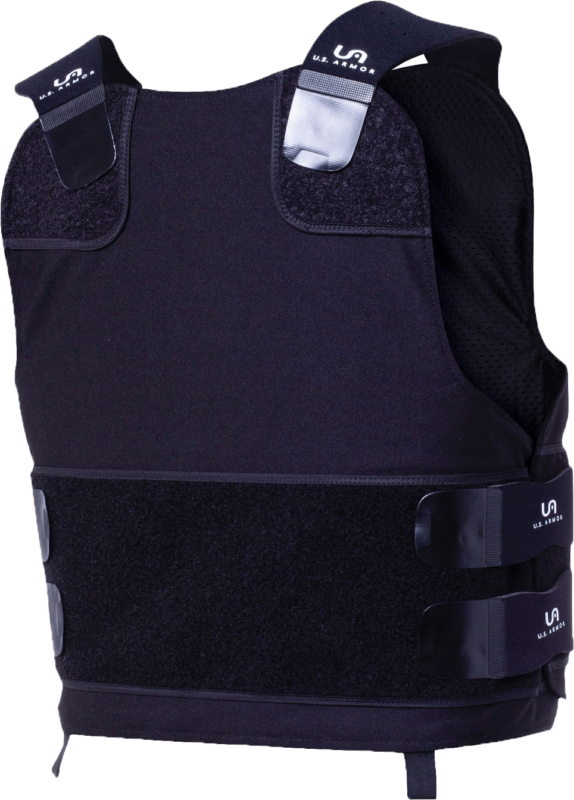
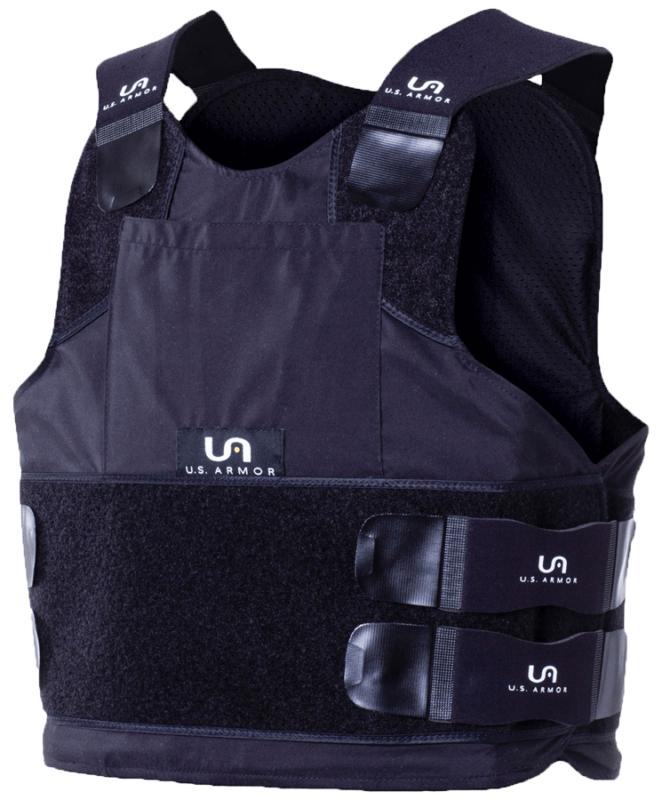
- Concealable vests (e.g., ACS-EXP Concealable Body Armor) are ideal for undercover or daily wear but can be paired with outer systems for rapid escalation of protection.
Best Body Armor for Active Shooter Response
The best body armor for active shooter response is armor that balances rifle-rated protection, rapid deployment, and operational mobility. For most law enforcement and first responder teams, this means a scalable system that combines NIJ Level IIIA soft armor with the option to add Level III or Level IV rifle plates in an outer carrier or plate carrier.
This layered approach allows responders to tailor protection based on threat level, response role, and available intelligence while maintaining comfort and speed during high-stress incidents. Ultimately, the best solution is mission-appropriate armor that is properly fitted, NIJ certified, and supported by clear maintenance and replacement protocols.
ACS-EXP Concealable Body Armor
Model 23620 – Level III Rifle Plate
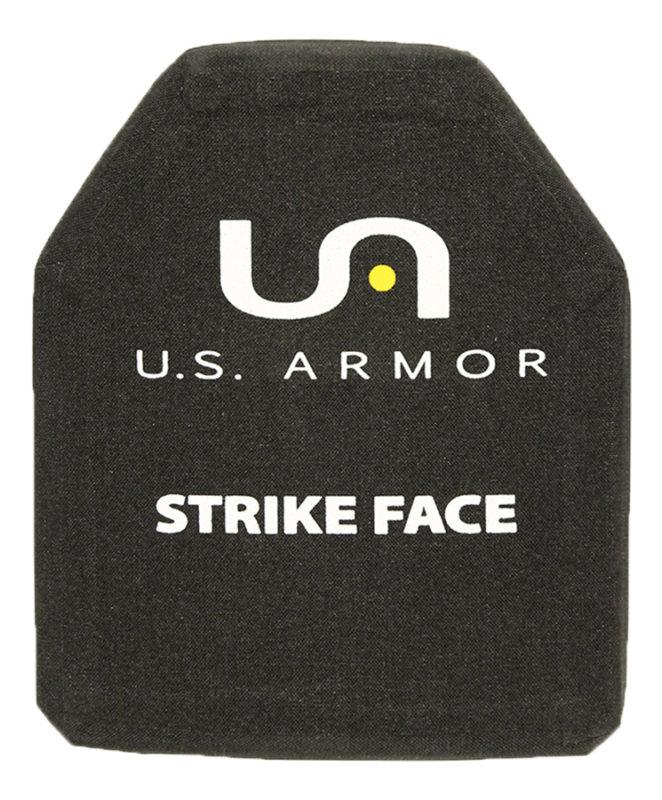
Model 4800 Level IV Rifle Plate
Selecting the Right Armor for Your Team
Sizing, Fit, and Comfort Under Stress
Armor that doesn’t fit will not protect effectively. Sizing should account for torso dimensions, mobility, and operational tasks. Adjustable carriers with customizable panel positions help responders complete physically demanding tasks — like casualty extraction — without restriction.
Weight vs. Mobility: What Matters Most?
Armor is a trade-off between weight and protection. Heavy plate carriers with Level IV plates offer maximum recoil defense but can lead to rapid fatigue. Many teams select Level III carriers for general active shooter response, adding Level IV plates only when intelligence or mission specifics call for them.
Quick-Don Features for Emergency Use
Look for armor that’s easy to don in high-stress moments — adjustable buckles, Velcro closures, and pre-set sizing help ensure rapid deployment. Kits that come with carriers pre-configured for immediate use reduce preparation time and increase the likelihood responders will wear their armor when needed.
Departmental Policies and Grant Funding
Armor acquisition should align with departmental safety policies, procurement rules, and funding realities. Many agencies tap into federal or state grants for law enforcement active shooter gear. Vendors like U.S. Armor often provide grant support resources to help agencies access funding for carriers, plates, and accessories.
Caring for and Replacing Active Shooter Armor
Body armor should always be treated as a life-saving system, not a one-time purchase or “set it and forget it” piece of equipment. Proper inspection, maintenance, documentation, and timely replacement are just as important as selecting the right armor in the first place. Poorly maintained or expired armor can fail when it’s needed most—putting responders, departments, and municipalities at serious risk.
Inspection, Maintenance, and Service Life
Routine inspection is essential to ensure active shooter body armor performs as intended during a real-world event. Agencies should establish formal inspection schedules and document each check as part of their safety and compliance procedures.
Key inspection steps should include:
- Checking carriers for wear, tears, or compromised stitching
Inspect shoulder straps, cummerbunds, Velcro closures, MOLLE webbing, and seams. Even minor stitching failures can affect plate positioning or cause the carrier to shift under stress. - Ensuring ballistic plates are free from cracks, bulging, or delamination
Plates should be visually inspected and gently flexed (if manufacturer-approved). Any rattling sounds, surface fractures, or separation of layers may indicate internal damage. - Verifying proper storage away from heat, moisture, and UV exposure
Armor stored in vehicle trunks, garages, or damp environments can degrade prematurely. Excessive heat can weaken adhesives, while moisture may compromise soft armor fibers.
For a more detailed breakdown of inspection best practices, storage guidance, and common mistakes agencies make, see our in-depth guide on body armor maintenance and care best practices.
In general:
- Soft armor (Level IIIA) typically has a 5-year service life
- Hard armor plates vary based on material (ceramic, polyethylene, composite) and manufacturer specifications
Always defer to manufacturer documentation for exact service life timelines.
When to Replace Plates and Carriers
Active shooter armor should be replaced immediately if its integrity is compromised. Continuing to use damaged or expired armor significantly increases both injury risk and organizational liability.
Armor should be replaced if:
- It has stopped a ballistic threat
Any armor—soft or hard—that has absorbed a projectile should be removed from service immediately, even if damage is not visually obvious. - It shows visible damage or deformation
Cracks, delamination, crushed edges, stretched carriers, or degraded Velcro are all indicators that the armor may no longer perform as tested. - It has exceeded its rated service life
Ballistic materials degrade over time, even without use. Wearing expired armor provides a false sense of security. - NIJ standards have changed significantly since purchase
Advances in threat testing or standard revisions may render older armor insufficient against modern threats.
Departments should maintain clear replacement policies and avoid “extending” service life to save costs. Using expired armor can expose agencies to negligence claims, insurance issues, and accreditation problems.
For agencies building long-term armor replacement schedules, our body armor maintenance and replacement planning guide offers helpful timelines and tracking tips.
Warranty and Compliance Tips
Warranty and certification verification are critical for both operational safety and legal defensibility. Not all armor marketed as “tested” meets certification requirements.
Always verify the following:
- Active NIJ certification
Armor should appear on the NIJ Compliant Products List (CPL). Be cautious of language such as “tested to NIJ standards,” which does not equal certification. - Manufacturer warranties
Confirm warranty coverage for ballistic performance, materials, and carrier construction. Understand what actions (improper storage, unauthorized modifications) may void coverage. - Complete documentation for audits and compliance reviews
Maintain records including purchase dates, serial numbers, NIJ model numbers, inspection logs, and replacement schedules.
Proper recordkeeping supports:
- Officer and responder safety
- Grant compliance
- Risk management and legal protection
- Accreditation and policy audits
Frequently Asked Questions (2026)
What’s the best body armor for active shooter events?
The best body armor for active shooter response typically includes a Level III or Level IV plate carrier, depending on anticipated threats, combined with a durable outer carrier designed for rapid deployment. Many agencies favor scalable systems that allow rifle plates to be added over existing soft armor.
Do EMS and fire need ballistic vests?
Yes. Modern response protocols often place EMS and fire personnel in warm zones where ballistic threats are still possible. EMS body armor allows responders to provide life-saving care while reducing exposure to gunfire and fragmentation hazards.
How heavy are active shooter vests?
Weight depends on armor configuration:
- Level III plate carriers typically weigh 15–20 pounds
- Level IV setups may exceed 20–25 pounds
Agencies must balance protection with mobility, endurance, and task requirements.
Can civilians buy active shooter body armor?
In most U.S. states, civilians can legally purchase body armor. However, restrictions may apply in certain jurisdictions or under specific conditions. Laws vary and should always be reviewed locally.
How do I know if my armor is NIJ certified?
NIJ-certified armor is listed on the official NIJ Compliant Products List (CPL). Always verify the manufacturer name, model number, and threat level match what is listed on the CPL.
How often should armor be replaced?
- Soft armor: typically every 5 years
- Hard armor plates: per manufacturer guidance or immediately after impact, visible damage, or improper storage exposure
Regular inspections and documented maintenance help ensure armor is replaced before failure occurs.
Get Expert Help with Active Shooter Protection
Selecting the right active shooter body armor directly impacts responder safety, operational readiness, and long-term compliance with departmental and national standards. From choosing the appropriate NIJ protection level to ensuring proper fit, documentation, and replacement timelines, working with experienced armor professionals helps eliminate guesswork and reduce risk. The right guidance ensures your team is equipped with NIJ-certified, mission-appropriate body armor designed to perform in real-world active shooter environments.
Contact U.S. Armor for department pricing, on-site demonstrations, and expert assistance with grant resources. Their team can help you build a scalable active shooter protection strategy that supports law enforcement, EMS, and security personnel while meeting operational and compliance requirements.